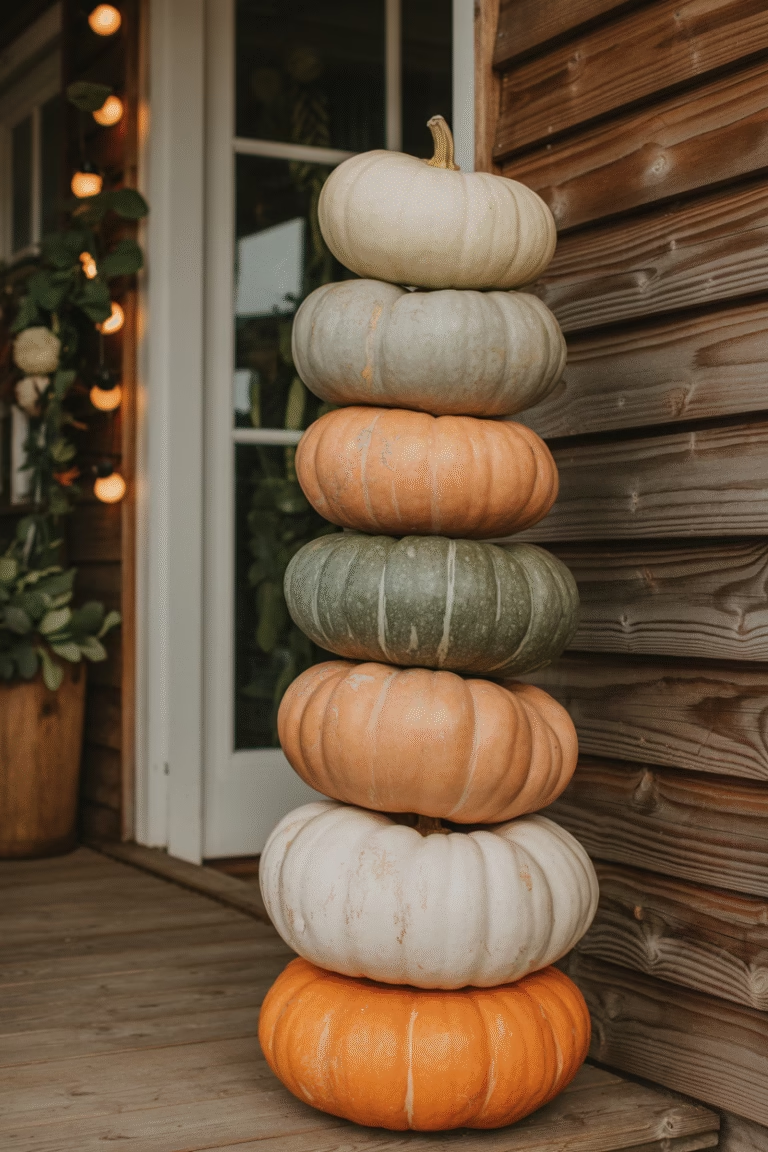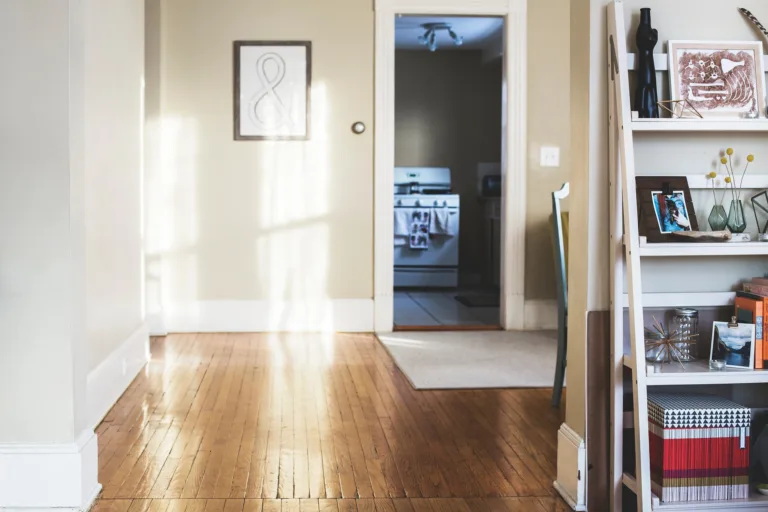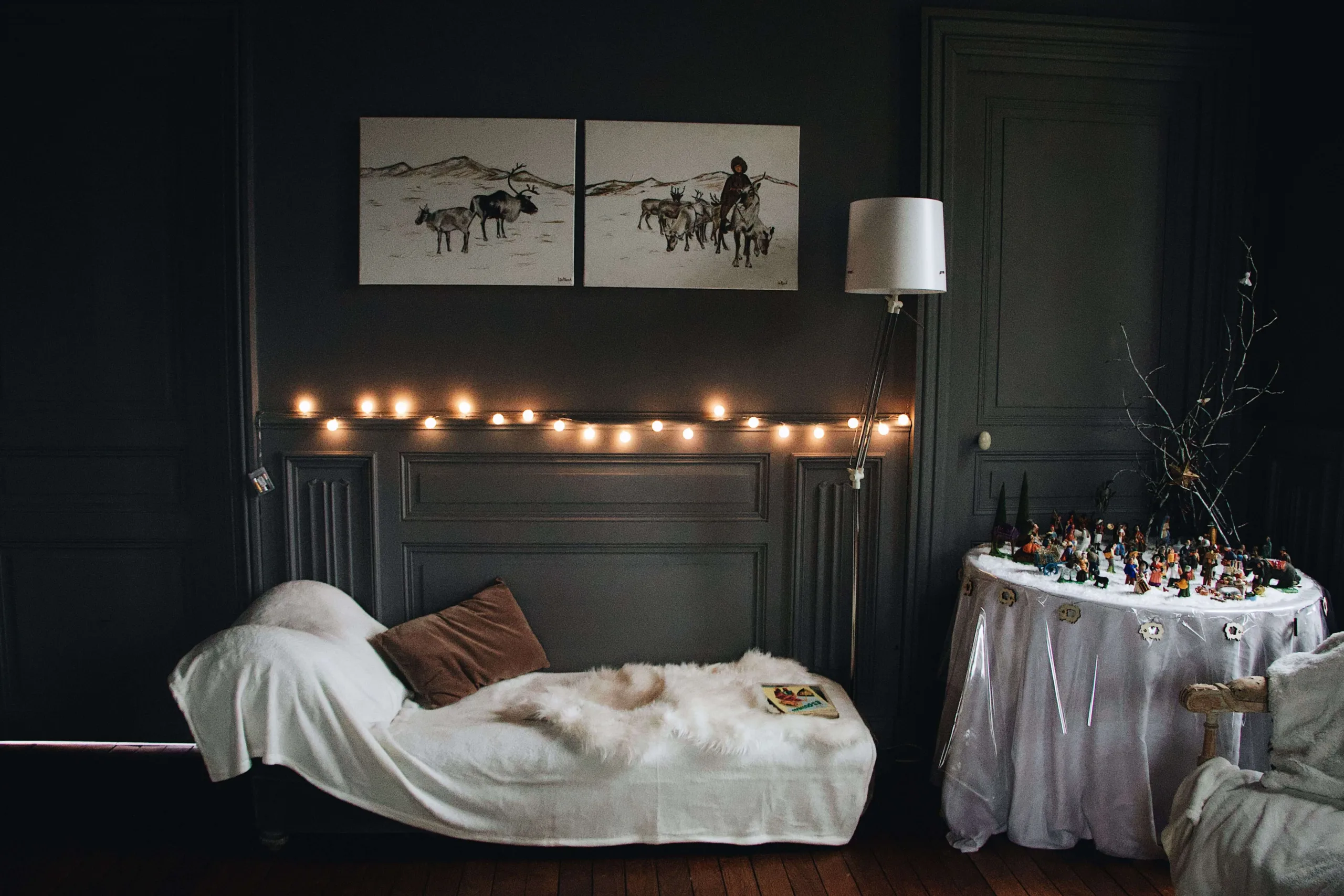
Fall decorating in 2026 is taking a warmer, richer, and more sophisticated direction. Instead of relying on bright orange pumpkins, obvious seasonal signs, or cool gray-and-white interiors, designers are embracing deeper wood tones, creamy neutrals, earthy colors, tactile fabrics, and rooms that feel collected over time.
One of the easiest ways to capture this look is by combining dark wood with warm neutrals. Think walnut furniture against creamy walls, espresso wood paired with ivory upholstery, beige linen layered with chocolate brown, and natural stone warmed up with aged brass and soft lighting.
Current Fall 2026 design coverage is especially highlighting walnut, espresso oak, chocolate brown, warm earthy neutrals, natural materials, layered textures, and more personalized interiors. The result feels cozy enough for autumn but timeless enough to keep long after the season ends.
Whether you are refreshing a living room, bedroom, dining area, entryway, or small apartment, these dark wood and warm neutral home ideas can help you create a cozy fall interior that feels expensive, inviting, and effortlessly stylish.
1. Pair Dark Walnut Furniture With Creamy Upholstery

One of the easiest ways to create a sophisticated fall interior is to combine rich walnut furniture with soft cream upholstery. The contrast between the deep wood and lighter fabric gives the room depth without making it feel dark or heavy.
Try a walnut coffee table, sideboard, console, or accent chair alongside an ivory sofa or cream boucle seating. Add beige cushions, a warm wool rug, and a few ceramic accessories to soften the stronger wood tones.

This combination works particularly well because the neutral upholstery keeps the room visually light while the dark wood creates a grounded, luxurious feeling. It is also easy to adapt throughout the year by changing only the smaller textiles and accessories.
2. Make Chocolate Brown Your New Fall Neutral

Chocolate brown has become one of the strongest colors for Fall 2026 interiors, and it works especially well when treated as a neutral rather than a seasonal accent. Designers are using deep brown on furniture, walls, textiles, cabinetry, and decorative pieces because it provides warmth without the harshness that can sometimes come from black.
You can introduce chocolate brown through a sofa, accent chair, curtains, area rug, or even a painted wall. For a softer approach, combine smaller brown accents with warm white, camel, oatmeal, and natural wood.

The most sophisticated combinations often use several shades of brown rather than just one. Chocolate, caramel, walnut, and tobacco can create subtle tonal depth while maintaining a calm and cohesive appearance.
3. Use Warm White Walls as a Backdrop for Dark Wood

If you love dark wood but are worried that it will make your home feel too heavy, start with warm white walls. Creamy whites and soft ivory shades provide enough contrast to showcase walnut, espresso, and dark oak furniture beautifully.
Avoid extremely blue-toned whites if you want a cozy autumn atmosphere. A warmer white with subtle beige or cream undertones will work better with wood, natural textiles, brass, stone, and earthy colors.

This combination is especially effective in living rooms and dining rooms because it creates a sophisticated contrast without requiring bold wall color. The room remains bright during the day while feeling warmer and more intimate as the lighting changes in the evening.
4. Create a Dark Wood Coffee Table Moment

A coffee table is one of the simplest pieces to change if you want to introduce the dark wood trend without redesigning your entire living room. Choose walnut, espresso, or another deep brown finish and let the table become the grounding element in the space.
Keep the styling simple. A large ceramic bowl, a stack of beautiful books, a low candle, and a small branch arrangement can create an elegant focal point without making the surface look crowded.

For fall, add one seasonal element such as dried foliage, a warm-toned ceramic vessel, or a small arrangement of branches. The goal is to create an autumn feeling through material and color rather than obvious seasonal decorations.
5. Layer Cream, Beige, and Oatmeal Textiles

Warm neutrals become much more interesting when several slightly different shades are layered together. Instead of decorating with one beige throughout the room, combine ivory, cream, oatmeal, camel, taupe, and mushroom.
Use these shades across different textures so the room does not feel flat. A cream sofa can be paired with an oatmeal throw, beige linen cushions, a taupe rug, and a camel leather accent.

This tonal approach is particularly useful if you already have dark furniture. The lighter textiles balance the visual weight of walnut or espresso wood while creating the soft, cocooning atmosphere that works so well for fall.
6. Add Aged Brass Against Dark Wood

Dark wood becomes even more luxurious when paired with warm metal accents. Aged brass, antique brass, and other softly patinated finishes provide a subtle glow that works beautifully with walnut and chocolate brown.
You can introduce this combination through cabinet hardware, table lamps, picture frames, curtain rods, mirrors, or decorative objects. There is no need to use brass everywhere; a few carefully repeated accents are enough.

The slightly aged appearance is especially effective because current interiors are moving toward patina, character, and materials that look better with age rather than perfectly polished finishes.
7. Mix Dark Wood With Natural Stone

Natural stone is an excellent partner for dark wood because it prevents the deeper tones from feeling overly formal. Cream travertine, limestone, marble, soapstone, and other softly textured stones can introduce a lighter organic element.
Try a travertine coffee table with a dark wood base, a stone-topped console, or a marble side table beside a walnut chair. In kitchens, dark cabinetry can look especially beautiful with warm stone countertops and creamy backsplash materials.

The combination works because the materials contrast without competing. Dark wood provides warmth and depth while stone contributes lightness, texture, and an understated sense of luxury.
8. Bring in Olive Green for an Earthy Fall Palette

Olive green is one of the easiest colors to introduce when decorating with dark wood and warm neutrals. It has enough depth to work with walnut while still feeling natural and calming.
Use olive through cushions, curtains, artwork, upholstered chairs, bedding, or decorative ceramics. Against cream walls and dark wood furniture, the color feels sophisticated rather than strongly seasonal.

For a richer fall palette, combine olive with chocolate brown, tobacco, ivory, muted brass, and natural linen. This creates a layered earthy scheme without relying on traditional orange-and-red decorations.
9. Choose a Dark Wood Dining Table for a Cozy Fall Dining Room

A dark wood dining table can immediately make a dining area feel warmer and more substantial. Walnut and espresso finishes work particularly well with cream or oatmeal dining chairs because the contrast keeps the arrangement from looking too heavy.
For fall gatherings, layer the table with linen napkins, ceramic plates, warm glassware, and a simple arrangement of branches or seasonal foliage. Instead of covering the entire table with decorations, leave plenty of visible wood so its natural finish remains part of the design.

This style also works beyond autumn. Once the seasonal accessories are removed, the same furniture can transition naturally into winter, spring, and summer.
10. Layer a Vintage Rug Over Warm Wood Floors

If your room already has hardwood floors, a vintage-style rug can introduce softness and color while allowing some of the wood to remain visible. Look for faded patterns in cream, brown, rust, olive, muted red, or dusty blue.
The slightly aged appearance fits beautifully with the current preference for collected, lived-in interiors. Rather than making everything look brand new, the rug adds history and visual depth.

Choose a rug large enough to connect the main furniture pieces. In a living room, the front legs of the sofa and chairs should ideally sit comfortably on the rug so the seating area feels unified rather than visually disconnected.
11. Create a Cozy Dark Wood Bedroom

Dark wood furniture can make a bedroom feel incredibly warm and restful when balanced with soft neutral bedding. A walnut bed frame or dark wooden nightstands provide a strong foundation, while cream, beige, and oatmeal textiles keep the space comfortable.
Layer the bed with different materials instead of simply adding more pillows. A linen duvet, knitted throw, quilted blanket, and textured cushions can create depth without excessive decoration.

For evening atmosphere, use warm bedside lamps rather than relying only on overhead lighting. The combination of dark wood, soft textiles, and low warm light creates a naturally cocooning bedroom that feels perfect for fall.
12. Style an Entryway With Dark Wood and Soft Neutrals

The entryway is often overlooked, but it can establish the entire mood of a home. A dark wood console or narrow bench paired with a warm neutral wall creates an instantly welcoming first impression.
Add a large mirror, a ceramic vase, a woven basket, and a small table lamp to make the space feel functional as well as decorative. If the entryway is narrow, choose pieces with slim proportions so the area remains easy to move through.

Current Fall 2026 design coverage is also highlighting entryways as statement spaces where layered lighting and hospitality-inspired details can create a stronger sense of arrival.
13. Warm Up a Living Room With Layered Lighting

Lighting can completely change how dark wood and warm neutrals look once the sun goes down. Instead of depending on one bright ceiling fixture, create several smaller pools of warm light throughout the room.
Use a table lamp on a dark wood console, a floor lamp beside a chair, a small accent lamp on a side table, and candles on the coffee table. Warm bulbs help cream fabrics, walnut finishes, and earthy colors appear richer and more inviting.

Layered lighting also gives the room more flexibility. Brighter ambient lighting can be used for everyday activities, while smaller lamps and candles can create a relaxed atmosphere when you are entertaining or winding down in the evening.
14. Combine Dark Wood With Soft Black Accents

Black can work beautifully with dark wood as long as it is used strategically. Because walnut and espresso already provide depth, small black details can add definition without making the room feel excessively dark.
Try black picture frames, curtain rods, ceramic vases, lighting fixtures, or a small side table. Keep the larger surfaces warm and light so the darker accents act as visual punctuation.

This is particularly effective in modern homes where you want the dark wood trend to feel contemporary rather than overly traditional. The contrast between black, walnut, cream, and warm metal creates a clean but inviting palette.
15. Add Fall Texture With Velvet, Wool, and Bouclé

Fall is the perfect season to make a neutral room more tactile. Velvet, wool, bouclé, brushed cotton, linen, and chunky knits can all make dark wood interiors feel softer and more comfortable.
You do not need to change every textile. A velvet cushion on an ivory sofa, a wool throw over a dark wood chair, or a bouclé bench near an entryway can introduce enough texture to transform the room.

Current fall design coverage is emphasizing tactile materials and richer fabrics as part of the move toward warmer, more sophisticated seasonal interiors.
16. Decorate With Natural Fall Branches Instead of Excessive Seasonal Decor

If you want your home to feel autumnal without looking overly themed, use natural-looking branches, dried foliage, grasses, seed pods, or muted seasonal stems.
Place a large arrangement in a ceramic or stone vase on a dark wood console, dining table, or kitchen island. The organic shapes provide movement while the earthy colors complement the warm neutral palette.

This approach is especially useful if you prefer sophisticated fall decor. Current designers are increasingly recommending natural textures and larger intentional arrangements instead of filling rooms with numerous small seasonal decorations.
17. Create a Collected Dark Wood and Neutral Fall Interior

For the ultimate version of this trend, combine several of the ideas instead of relying on one statement piece. Start with a warm neutral foundation, add dark walnut or espresso furniture, then build layers with vintage textiles, natural stone, aged metal, earthy greenery, ceramics, and soft lighting.
The room should not look as though every item was purchased together. Mix contemporary pieces with vintage-inspired furniture, handmade-looking accessories, books, artwork, and objects that have personal meaning.

This collected approach reflects one of the biggest interior design shifts of 2026: homes are becoming warmer, more layered, and more individual, with character and lived-in appeal taking precedence over perfectly coordinated spaces. Houzz’s Fall 2026 report specifically describes a move toward collected, layered interiors and away from off-the-shelf perfection.
How to Make Dark Wood Look Light and Airy
Dark wood does not automatically make a room feel small or gloomy. The key is to balance it with enough visual lightness.
Use cream walls, ivory upholstery, warm white curtains, light rugs, reflective mirrors, and natural daylight to counterbalance deeper furniture. Keeping some larger surfaces light allows the wood to act as an intentional contrast rather than overwhelming the room.
Mirrors and strategically placed lamps can also help distribute light around the room. If your space is small, concentrate dark wood on a few key pieces rather than using the same deep finish everywhere.
Best Colors to Pair With Dark Wood
Dark wood is surprisingly versatile. For a sophisticated fall palette, consider combining it with:
- Warm white and ivory
- Cream and oatmeal
- Camel and caramel
- Chocolate brown
- Olive green
- Tobacco
- Muted rust
- Ochre
- Burgundy
- Soft taupe
- Warm beige
- Aged brass
For a quieter look, stay within warm neutrals and introduce only one deeper accent color. For a more dramatic interior, combine dark wood with burgundy, olive, or chocolate brown.
How to Make Warm Neutral Decor Look Expensive
The most expensive-looking neutral interiors are rarely completely monochromatic. They usually contain subtle variations in color, texture, material, and scale.
Instead of buying ten beige accessories, invest in a few pieces with interesting surfaces. Think linen, stone, aged wood, wool, ceramic, leather, velvet, and woven materials.
Scale matters too. One large vase or oversized artwork can create more impact than a collection of tiny decorative objects. Give statement pieces breathing room and avoid filling every empty surface.
Final Thoughts
Dark wood and warm neutrals are an especially beautiful combination for fall because they create warmth without relying on obvious seasonal decorations. Walnut, espresso, chocolate brown, cream, oatmeal, olive, stone, brass, and tactile fabrics can transform an ordinary room into something that feels sophisticated and comfortable.
The best part is that you do not need to redesign your entire home. Start with one dark wood element, introduce warmer textiles, add a few natural materials, and improve the lighting. From there, gradually layer in vintage pieces, earthy colors, ceramics, artwork, and seasonal branches.
The result should feel warm rather than dark, layered rather than cluttered, and collected rather than overly coordinated. That balance is what makes this Fall 2026 decorating direction so versatile—and why these ideas can continue working long after autumn ends.

Jen Moser is a skilled kitchen and bath designer at Wisconsin Building Supply in Appleton, WI, and the author behind the expert remodeling and design content on Vivyro.com. With years of hands-on experience in residential cabinetry, layout planning, and functional aesthetics, she shares practical tips, innovative ideas, and inspiring transformations to help homeowners create beautiful, efficient kitchens and bathrooms that suit their lifestyle and budget.
As the creative voice of Vivyro.com, Jen draws from her professional expertise to offer step-by-step guidance, trend insights, and real-world solutions for remodeling projects. Her approachable, detail-oriented style empowers DIY enthusiasts and homeowners alike to achieve professional-quality results in their own spaces.