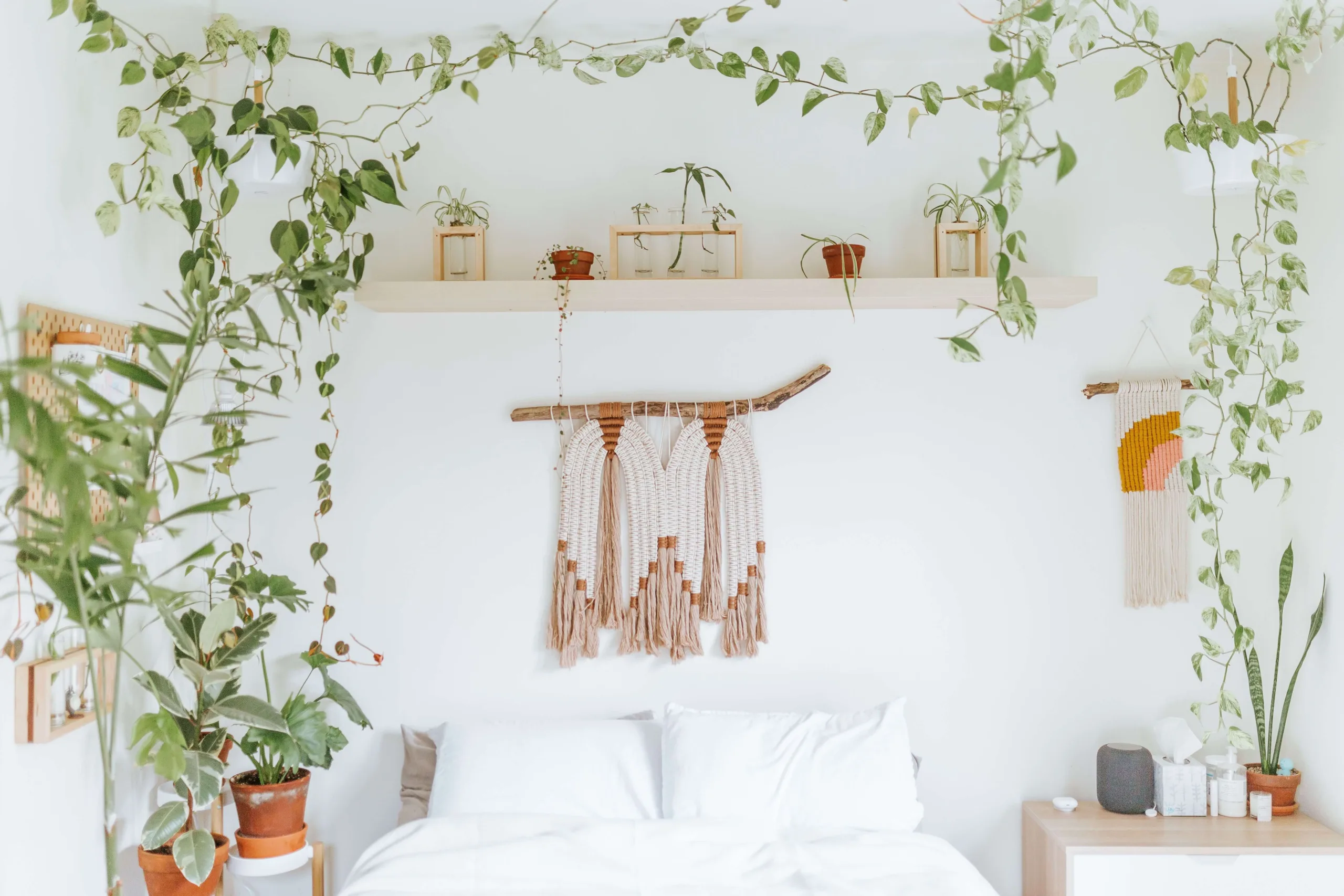
Boho home decor is having another major moment in 2026, but the look has evolved far beyond the traditional combination of macramé, rattan, and houseplants. Today’s most beautiful bohemian interiors feel collected, warm, artistic, and deeply personal rather than overly decorated.
The newest version of boho decor blends natural materials with vintage finds, expressive colors, handmade textures, relaxed furniture, and meaningful accessories. Instead of making every piece match, the goal is to create a home that looks as though it has developed naturally over time.
That shift fits perfectly with the broader 2026 interior design movement toward lived-in rooms, natural materials, eclectic combinations, and more individual expression. Pinterest has also highlighted Afrohemian decor, rattan, woven materials, bold color, vintage-inspired spaces, and personalized interiors as growing areas of interest.
If you love cozy spaces with character, these 15 boho home decor trends are worth trying now. They can work in living rooms, bedrooms, entryways, dining spaces, and even small apartments without requiring a complete renovation.
1. Warm Neutral Boho Is Replacing Stark White

One of the biggest updates to modern boho decor is the move away from cold white backgrounds. Cream, oatmeal, sand, warm beige, camel, mushroom, and soft brown create a much richer foundation while still keeping the room light and relaxed.
The key is layering several shades instead of choosing one beige and using it everywhere. Try a cream sofa with a textured oatmeal rug, warm wood furniture, tan pillows, and natural woven accessories. This creates the soft, organic atmosphere people associate with boho interiors without making the room feel flat.

Warm neutrals are especially useful because they allow more expressive pieces to stand out. A colorful vintage rug, patterned pillow, ceramic vase, or dramatic piece of artwork can become the focal point without competing with the entire room.
2. Rattan Furniture Is Getting More Sculptural

Rattan remains one of the easiest ways to introduce bohemian character, but the 2026 version feels more refined. Instead of filling an entire room with matching woven furniture, designers and homeowners are using one or two sculptural rattan pieces as intentional focal points.
A curved rattan accent chair, cane-front cabinet, woven bench, or rounded coffee table can instantly soften a contemporary room. The contrast between organic texture and clean architectural lines makes the space feel modern without losing its relaxed personality.

For a particularly polished look, combine rattan with warm wood, linen upholstery, aged brass, and neutral textiles. Pinterest’s 2026 trend reporting specifically identifies rising interest in rattan accent chairs alongside Afrohemian decor.
3. Afrohemian Decor Is Bringing Richer Global Character

Afrohemian style is one of the most distinctive directions influencing boho interiors right now. It combines the relaxed layering of bohemian design with African-inspired textiles, woven crafts, earthy materials, sculptural objects, and expressive patterns.
The easiest way to incorporate the trend is through carefully chosen accents rather than turning an entire room into a themed space. Consider a handwoven basket wall, indigo textile, Berber-inspired rug, carved wooden accessory, or naturally textured wall art.

The result can feel warm and worldly while still being sophisticated. Pinterest reported a significant increase in searches connected to Afrohemian decor, including “afrobohemian home decor,” Adire fabric, Berber motifs, Ethiopian art, and rattan accent chairs.
4. Vintage Rugs Are Becoming the Heart of the Room

A vintage-inspired rug can completely change the personality of a boho room. Rather than treating the rug as a background accessory, current interiors often use it as the visual foundation that determines the room’s colors and atmosphere.
Look for faded Persian-style patterns, Moroccan designs, muted terracotta, dusty blue, olive, cream, or warm rust. Slight imperfections actually help because boho interiors are supposed to feel collected rather than showroom-perfect.

If your furniture is relatively simple, a detailed rug can provide the pattern the room needs. For smaller spaces, choose a rug large enough to connect the major furniture pieces instead of using a tiny mat that visually fragments the room.
5. Layered Textures Are More Important Than Matching

Modern boho rooms are increasingly defined by texture rather than excessive decoration. Linen, boucle, wool, jute, cane, rattan, cotton, wood, ceramic, and woven fibers can all work together when their colors are related.
For example, a cream linen sofa might be paired with a chunky woven throw, jute rug, cane side table, ceramic lamp, and wooden coffee table. None of these pieces need to match perfectly because their shared natural character creates visual cohesion.

This approach also makes a room feel more comfortable and dimensional. Instead of adding another decorative object whenever a corner looks empty, consider whether introducing a different texture would solve the problem more effectively.
6. Earthy Terracotta and Rust Are Back in a Big Way

Terracotta, rust, burnt orange, cinnamon, clay, and muted ochre are perfect colors for a boho interior because they naturally complement wood and woven materials.
You do not need to repaint an entire room to use them. Start with terracotta cushions, a ceramic vase, a patterned rug, artwork, or a warm-toned throw. These small additions can bring enough color to make a neutral space feel considerably more interesting.

For a sophisticated result, combine rust with cream, chocolate brown, olive green, and natural wood. The palette feels especially beautiful in rooms with warm lighting because the colors become richer as the day moves toward evening.
7. Vintage Furniture Is Making Boho Rooms Feel More Authentic

Instead of buying every piece new, boho interiors are increasingly incorporating vintage and secondhand furniture. A slightly worn wooden cabinet, antique side table, vintage chair, or old trunk can provide the character that new furniture often lacks.
The trick is to mix old pieces with modern foundations. A contemporary sofa can look fantastic beside a vintage wooden coffee table, while a modern bed can be softened by an antique nightstand.

This creates the “collected over time” appearance that is becoming increasingly important in 2026 interiors. Current design coverage has emphasized lived-in rooms, antiques, reuse, and spaces that feel evolved instead of installed.
8. Oversized Houseplants Are Becoming Architectural

Plants have always belonged in boho interiors, but the newest approach is more intentional. Instead of filling every available surface with tiny plants, choose one or two larger plants that create height and shape.
A tall olive tree, bird of paradise, fiddle-leaf fig, palm, or large trailing plant can act almost like a piece of furniture. Place it beside a sofa, in an empty corner, or near a large window where its silhouette becomes part of the room.

Use textured ceramic, terracotta, woven, or aged planters to strengthen the bohemian feeling. The combination of greenery, natural materials, and sunlight gives the room an organic atmosphere without making it look cluttered.
9. Fringe and Tassels Are Returning

Fringe and tassels are no longer limited to traditional or vintage interiors. In 2026, they’re being used as small decorative details that give modern rooms a more expressive, handcrafted appearance.
Try a tasseled cushion, fringed lampshade, decorative throw, curtain trim, or upholstered stool. One or two details are usually enough to introduce the trend without making the room feel costume-like.

The revival is part of a broader return to decorative detailing in interiors. Current design coverage specifically highlights fringe, tassels, and other trims as ways to add texture and personality to otherwise simple furniture and soft furnishings.
10. Handcrafted Ceramics Are Replacing Generic Accessories

Boho styling works particularly well with objects that show evidence of human craftsmanship. Handmade-looking ceramics, irregular vases, textured bowls, sculptural candleholders, and imperfect pottery can make shelves and tables feel much more personal.
Look for pieces with uneven edges, earthy glazes, organic silhouettes, or visible texture. You do not need dozens of accessories; three carefully selected objects can look more sophisticated than an entire shelf packed with mass-produced decorations.

Try grouping pottery in different heights. A tall vase beside a smaller bowl and a low sculptural object creates a simple arrangement that feels intentional while retaining the relaxed spirit of bohemian design.
11. Bold Pattern Mixing Is Coming Back

Boho decor has always welcomed patterns, but today’s version is more curated. Instead of combining every pattern you love, choose a common color palette and allow different prints to share it.
For example, a faded geometric rug can work with a floral pillow and a subtle striped throw when all three include similar shades of cream, rust, olive, or brown.

Pattern mixing works especially well in living rooms and bedrooms because textiles can be changed easily. Start with one dominant pattern, add a smaller secondary print, and finish with one subtle texture rather than introducing five competing designs.
12. Boho Reading Nooks Are Becoming a Major Cozy Feature

A small reading corner can transform an ordinary room into something much more personal. You only need a comfortable chair, soft lighting, a small side table, and a few carefully chosen textiles.
A rattan chair with a linen cushion works beautifully for a classic boho look. Add a woven footstool, small vintage table, floor lamp, and a basket filled with blankets to make the area feel intentional.

Reading nooks also fit the broader 2026 emphasis on comfort and personalized spaces. Pinterest has reported strong interest in reading nooks and small-space comfort zones as part of the move toward homes that reflect individual lifestyles.
13. Moody Boho Bedrooms Are Taking Over

Boho bedrooms are becoming deeper and moodier instead of relying exclusively on bright cream and white. Chocolate brown, olive, muted burgundy, deep rust, charcoal, and warm taupe can create a much more intimate atmosphere.
The easiest way to achieve the look is through bedding. Start with neutral sheets, add a darker duvet or quilt, and layer patterned pillows and a textured throw at the foot of the bed.

Wooden furniture, woven lighting, vintage artwork, and soft ambient lamps prevent the darker colors from becoming heavy. The finished room should feel cocooning and relaxed rather than dramatically gothic.
14. Eclectic Gallery Walls Are Getting More Personal

A boho gallery wall does not need to consist of identical frames or perfectly aligned artwork. In fact, a mixture of vintage prints, botanical illustrations, abstract paintings, woven pieces, photographs, and small mirrors can create much more character.
Before hanging anything, choose a loose color connection. You might use cream, brown, olive, terracotta, and black as the repeating palette while allowing the artwork itself to vary.

This makes the collection feel connected without sacrificing personality. The goal is for the wall to look like something gathered over years rather than purchased as a matching set.
15. Curated Maximalist Boho Is the New Statement Look

Perhaps the biggest boho trend right now is a move toward curated maximalism. This does not mean covering every surface with decorations. Instead, it means combining more color, pattern, texture, art, plants, and vintage pieces while maintaining enough breathing room for everything to be appreciated.
A strong maximalist boho living room might include a patterned vintage rug, neutral sofa, colorful pillows, sculptural lighting, oversized plants, vintage artwork, woven baskets, and one dramatic statement chair. The pieces feel different, but they share a warm palette and natural materials.
This balance between abundance and restraint is important. Current 2026 design coverage increasingly favors eclectic, personalized rooms with warm layers and character rather than sterile minimalism.
How to Make Boho Decor Look Expensive
The secret to an expensive-looking boho room is not buying expensive furniture. It is choosing materials, proportions, and colors carefully.
Start with a restrained base of cream, warm beige, brown, or another earthy neutral. Then introduce natural wood, woven textures, quality-looking textiles, vintage pieces, and a few larger statement accessories.
Scale also matters. One oversized plant, large artwork, substantial rug, or sculptural pendant often has more visual impact than many tiny decorations. Keeping some negative space around statement pieces helps the room feel designed rather than crowded.
Finally, avoid buying every item from the same collection. Boho interiors look better when different materials and eras are allowed to interact.
How to Decorate a Small Space With Boho Style
Boho decor can work beautifully in a small apartment, bedroom, or studio as long as you control the visual clutter.
Choose furniture with visible legs, use mirrors to reflect natural light, and rely on vertical elements such as tall plants, wall baskets, artwork, and hanging lighting. A single large rug can also make a compact room feel more connected.
Instead of adding dozens of accessories, select a few pieces that serve a purpose and have strong visual character. A woven basket can provide storage, a vintage stool can work as a side table, and a beautiful throw can add both comfort and color.
The Biggest Boho Decorating Mistake to Avoid
The easiest way to make boho decor look dated is to treat the style like a checklist.
You do not need macramé on every wall, rattan furniture in every corner, dozens of plants, or a collection of identical woven baskets. When every recognizable boho element appears at once, the room can quickly lose the relaxed authenticity that makes the style appealing.
Instead, choose a few defining elements and build around them. Let your own artwork, books, vintage finds, travel-inspired pieces, textiles, and everyday objects become part of the room.
Final Thoughts
The biggest change happening in boho home decor is that the style is becoming more personal. The strongest rooms are not necessarily the ones with the most decorations; they are the spaces where natural materials, vintage character, meaningful objects, comfortable textures, and expressive color work together.
From warm neutral palettes and sculptural rattan to Afrohemian influences, vintage rugs, handmade ceramics, moody bedrooms, fringe, plants, and curated maximalism, there are plenty of ways to bring the aesthetic into a modern home.
If you want your space to feel current in 2026, focus less on perfectly copying a boho room and more on creating a home that looks collected, comfortable, and unmistakably yours.

Laurie Neel Hamilton is a creative DIY expert and the author behind the charming home décor content on Vivyro.com. Passionate about empowering women to craft beautiful, personalized spaces on a budget, she shares inspiring DIY projects, inventive décor ideas, and easy-to-follow tutorials that bring warmth and style to any home.
As a proud Gigi to five beautiful grandchildren and the heart of her creative community, Laurie infuses her work with joy, creativity, and family-inspired touches. Her welcoming approach makes DIY accessible and fun for crafters of all levels, encouraging everyone to unleash their inner artist and create stunning, heartfelt décor that reflects their unique story.