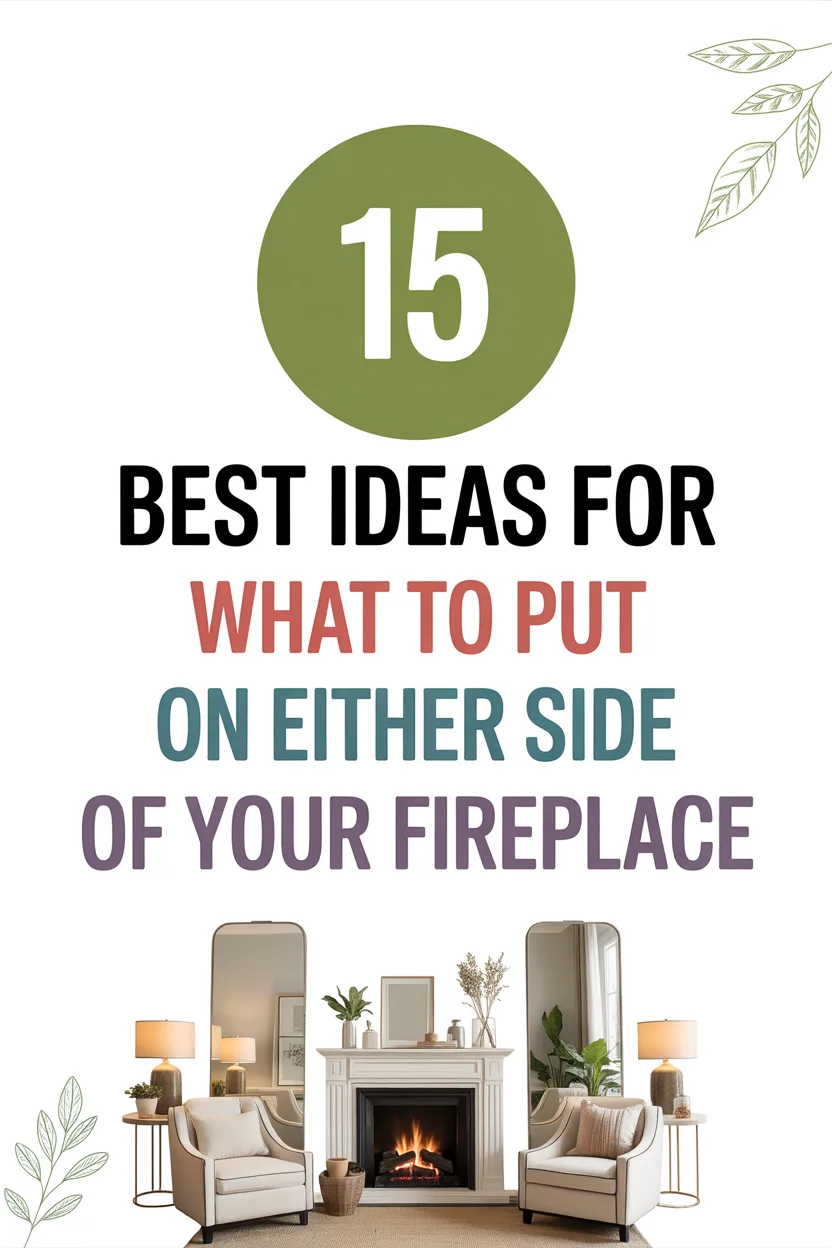
You can balance form and function by pairing matching or complementary elements on each side of your fireplace. Think shelves or cabinets for storage, seating or consoles for function, and art or mirrors for visual balance.
Use scale, symmetry, and lighting to tie both sides to the room. This way, the hearth feels purposeful, not cluttered.
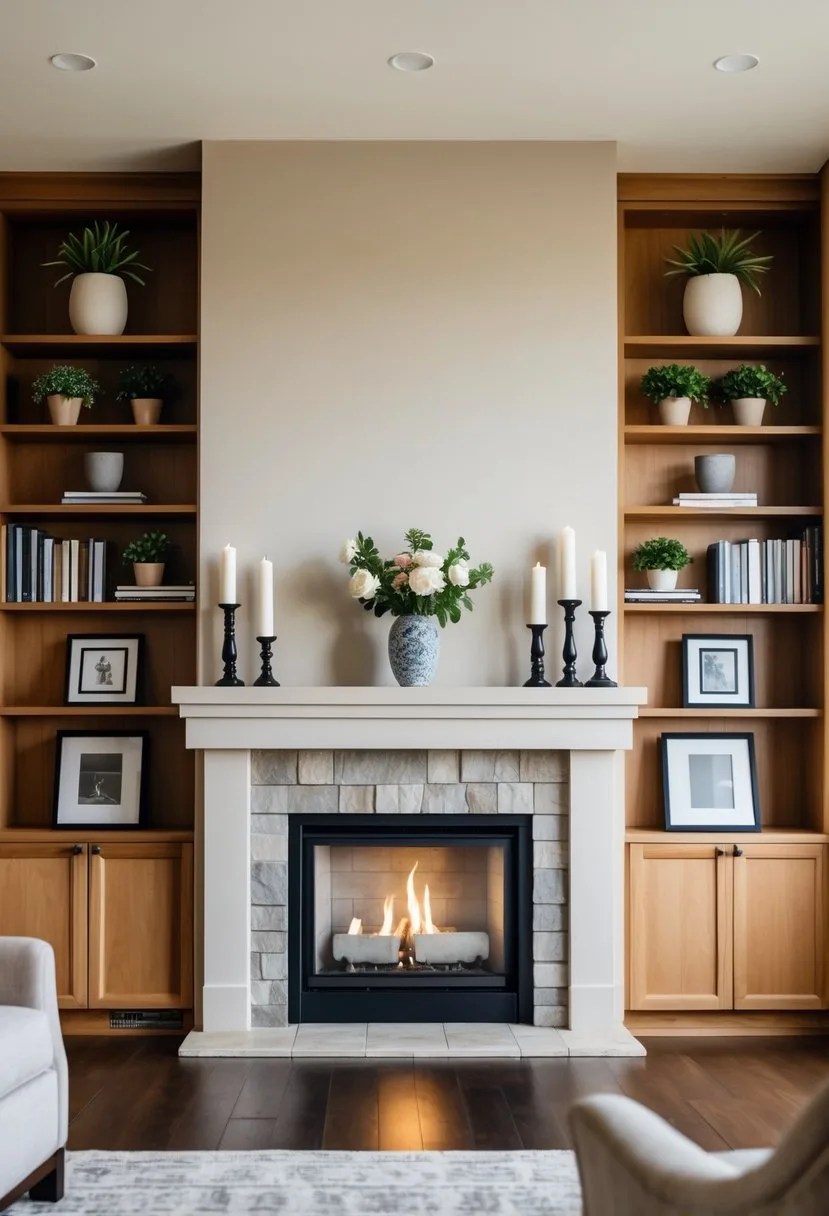
Pick options that fit how you actually live. Built-ins or bookcases add storage, slim consoles or benches help in small spaces, and wall sconces or lamps highlight focal pieces.
Mix storage, lighting, and personal decor for a display that’s balanced, useful, and stylish on either side of the fireplace.
Keep lines clean and don’t overfill the space. A few well-chosen pieces let the fireplace anchor the room without taking over.
Key Takeaways
- Use paired furniture and lighting for balance and function.
- Combine storage and display pieces to keep things organized and attractive.
- Scale items to the space and avoid overcrowding so the fireplace stays the focal point.
Principles of Decorating Either Side of a Fireplace
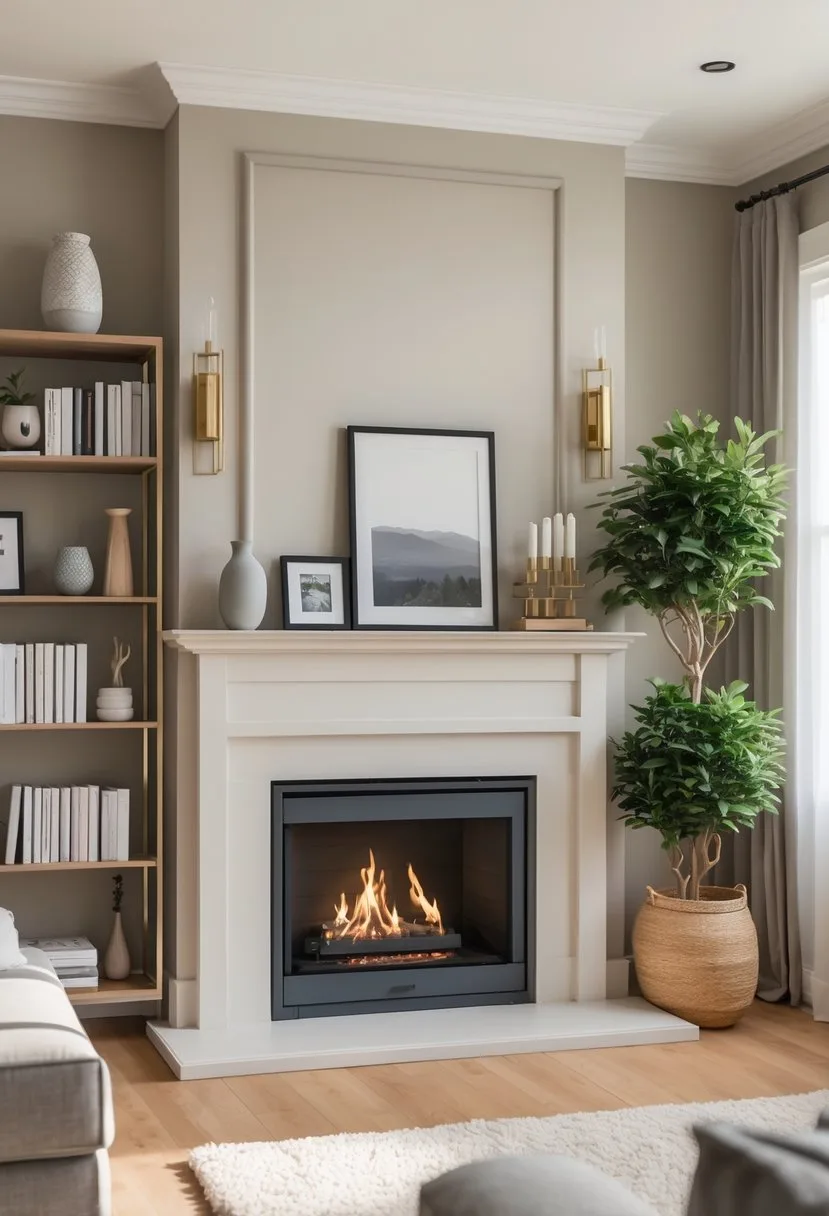
Focus on visual balance, matching object sizes to wall space, and picking items that add both use and style.
Think about sightlines from seating, how often you’ll use each item, and how the pieces fit the room’s color and texture.
Balance and Symmetry
Balance gives the fireplace a clear center without making the room feel stiff. For a formal look, use matching elements on both sides: identical bookcases, twin armchairs, or a pair of tall plants.
Place heavier items lower and lighter items higher to keep visual weight even.
If you want a relaxed vibe, balance weight instead of matching pieces. Maybe a tall lamp on one side, stacked baskets and a shorter lamp on the other.
Here’s a quick checklist to test balance:
- Height: tall vs. tall, medium vs. medium.
- Visual weight: dark vs. dark, patterned vs. patterned.
- Negative space: leave similar empty space on both sides.
Choosing the Right Scale
Scale really matters here. Measure the wall height and width before you buy anything.
A narrow shelf will vanish on a wide wall, and a tiny chair looks odd beside a big fireplace.
Match scale to three zones: floor, mantel height, and wall. For example, floor items about one-third the fireplace height, wall art that fills two-thirds of the side wall, and mantel decor in small groupings.
Leave at least 18–24 inches from the firebox to any flammable decor. Don’t forget to keep space for walking and cleaning.
Blending Style With Function
Pick items that look good and serve a purpose. If you read by the fire, add a comfortable chair, a floor lamp, and a small side table.
If you need storage, use built-in cabinets or baskets to hide clutter. Match materials to your room: metal and glass for modern, wood and woven for cozy.
List your functional needs first—seating, storage, display, lighting. Then choose pieces that meet those needs and share at least two style cues (color, material, or scale) to keep the design cohesive.
Popular Furniture Options
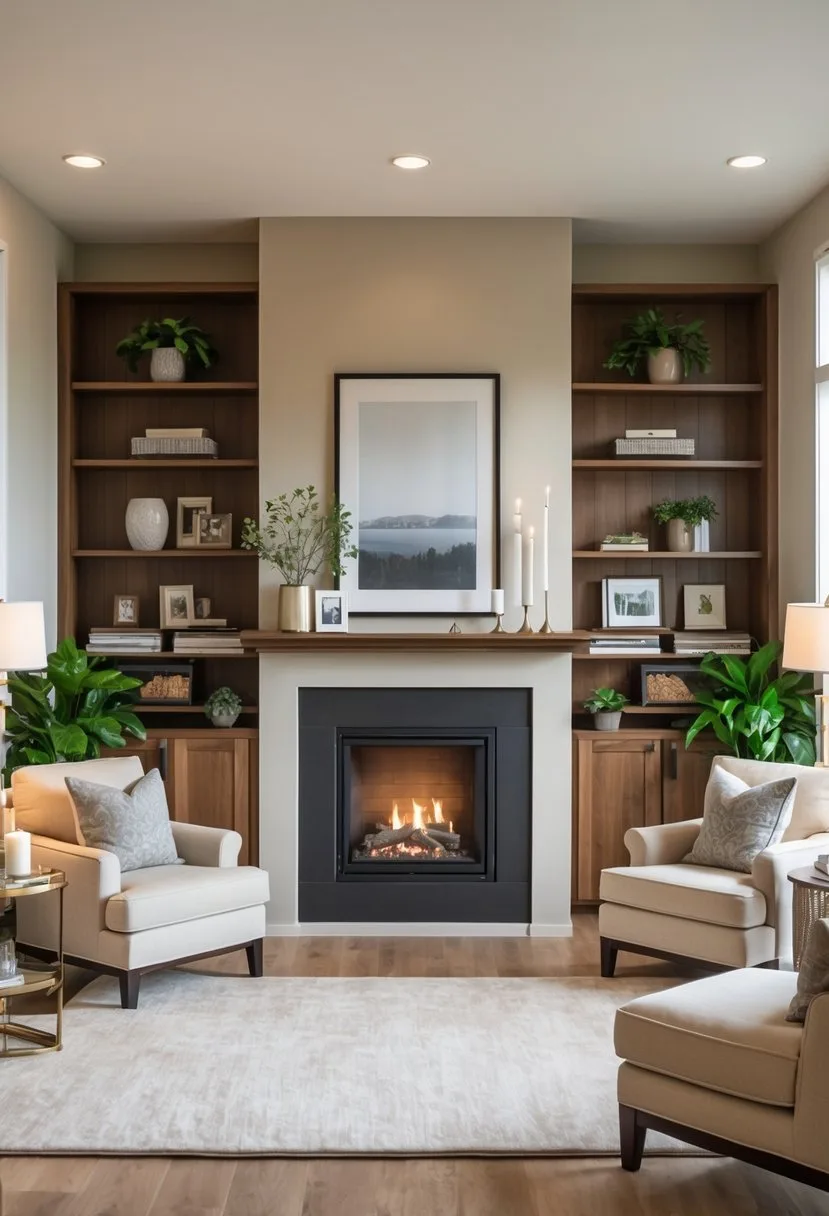
Pick furniture that fits your room size, traffic flow, and how you use the space. Aim for balance in scale and function so each side feels intentional.
Accent Chairs
Choose chairs that fit the room’s scale and seat two to four people comfortably when paired. For small rooms, go with slim-profile armchairs with exposed legs to keep things open.
In bigger rooms, try upholstered wingbacks or swivel chairs for personality and flexibility.
Place chairs about 18–36 inches from the fireplace edge for walking space and heat clearance. Add a small side table and a floor lamp between or beside chairs for drinks and reading light.
Coordinate fabrics or colors with nearby rugs and pillows so the chairs tie into the room, but don’t stress about matching everything.
Bookcases and Shelving
Built-in bookcases or freestanding shelves anchor the fireplace and add vertical storage. Use lower cabinets for media and higher shelves for books, framed photos, and some decorative objects.
Mix closed and open storage to cut down on clutter. Arrange items in small groups (3–5 objects) and leave some breathing room.
Include a couple of larger pieces, like vases or sculptures, for scale. Add lighting or picture lights to highlight favorite items and keep shelves usable at night.
Benches and Ottomans
Benches and ottomans add flexible seating and storage without blocking views. Choose a slim bench for narrow hearths or a tufted ottoman for a cozy look.
Storage ottomans are great for hiding throws and games. Place a bench under a console or by a window near the fireplace to make a reading nook.
Use an ottoman as a coffee table with a tray for drinks. Pick durable upholstery if it’ll get heavy use, and match scale to nearby seating so things feel balanced.
Decorative Accessories to Consider
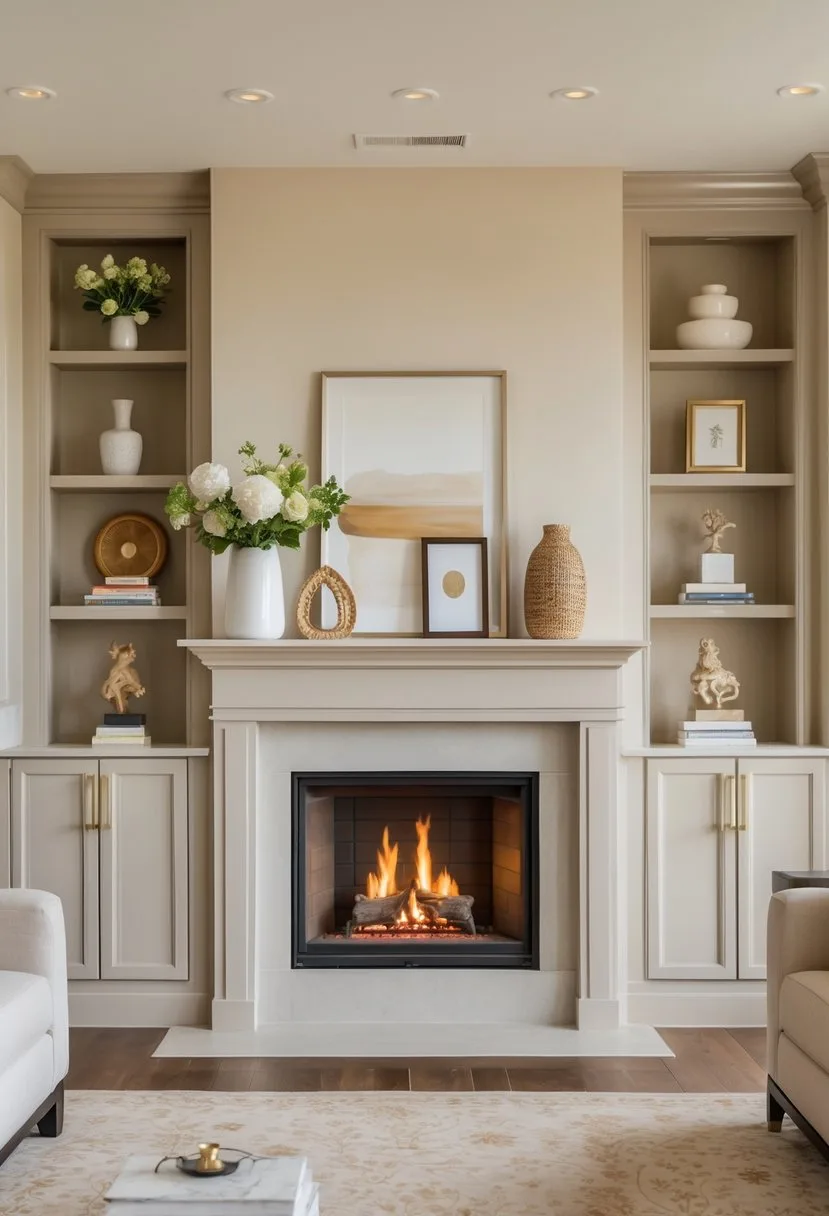
Choose accessories that match your room’s style, scale, and color palette. Repeat a color or material on both sides and mix up the heights for interest.
Artwork and Mirrors
Hang a big mirror on one side and a framed painting on the other for balance. Mirrors bounce light and make the room feel bigger—pick one with a frame that matches your mantel hardware or shelves.
For art, use something with a dominant color from your sofa or rug to pull things together.
If you like symmetry, use matching framed prints or paired gallery clusters. For a looser vibe, put a tall canvas on one side and lean a smaller framed print on a console on the other.
Keep frame colors or finishes consistent to avoid clutter.
Indoor Plants
Tall plants like fiddle-leaf fig or rubber plant add height and soft texture by the hearth. Pop them in woven baskets or matte ceramic pots that echo other materials in the room.
Skip plants that shed a lot if you use the fireplace often. Mix plant sizes—a floor plant beside a built-in shelf, a small tabletop plant on a console.
Pick low-light tolerant types (snake plant, ZZ plant) if the fireplace wall doesn’t get much sun. Rotate or trim plants so they stay neat and don’t block the mantel.
Sculptures and Statues
Pick sculptures that fit your room’s scale—small pieces disappear next to a big hearth, while an oversized statue can take over.
Use materials that echo other accents: bronze with warm metals, stone or ceramic for rustic or neutral rooms.
Group a few objects with different heights on a console or shelf for a curated feel. A single tall sculpture on a pedestal can be a great focal point.
Limit the number of pieces—one to three per side is plenty so each one stands out.
Storage Solutions for Fireplace Areas
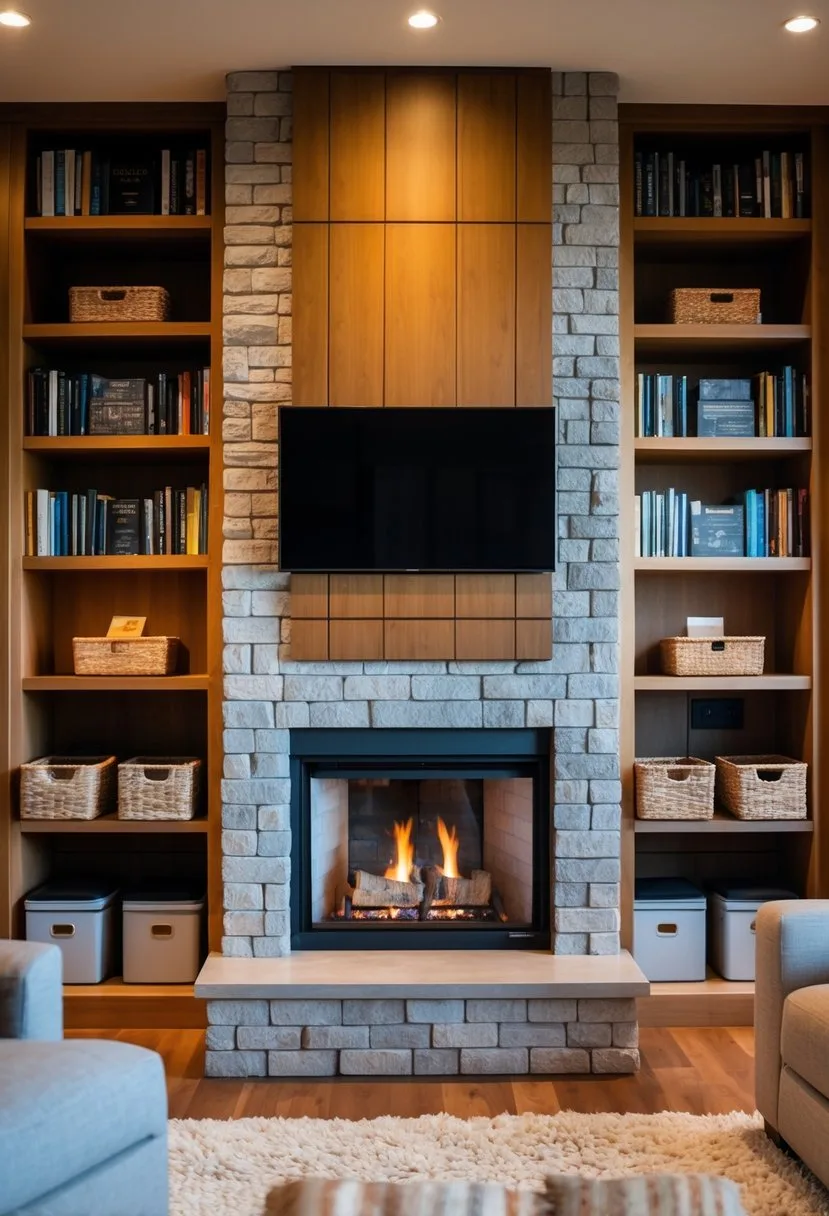
Add storage that matches your style and keeps things tidy. Pick options that fit the wall width and keep heat-sensitive items away from the hearth.
Built-In Cabinets
Built-ins give you tailored storage next to the fireplace. Measure wall height and depth so cabinets don’t block vents or the mantel.
Use solid wood or heat-resistant MDF, and keep cabinet doors at least 6–12 inches from the fireplace opening to avoid heat damage.
Design details count: adjustable shelves for books and décor, concealed drawers for remotes and small tools.
Try glass-front uppers if you want to display things without dust. Add soft-close hinges and recessed pulls for a clean look.
Have an electrician add outlets and lighting inside for charging and displays.
Storage Baskets
Baskets offer flexible, easy-to-move storage. Try woven seagrass, wire, or metal baskets depending on your style and fire safety needs.
Keep baskets a safe distance from open flames—if your fireplace runs hot, go for metal or ceramic instead of flammable materials.
Organize by use: one basket for blankets, another for magazines, a smaller one for fireplace tools.
Label baskets or use different textures so you can grab what you need fast. Stackable or nesting baskets work well in tight spots.
Media Units
A media unit by the fireplace keeps electronics neat. Choose a unit with ventilation slots or an open back to prevent heat build-up.
Mount heavier components low and leave space for airflow around anything that gets warm.
Look for a mix of open shelving and closed compartments. Open shelves hold cable boxes or speakers; closed drawers hide cables and remotes.
Route cords through built-in channels and add surge protection in a closed compartment to protect your gear.
Lighting Ideas for a Fireplace’s Surroundings
Pick lighting that balances task needs and mood. Choose fixtures that fit your room’s scale, provide layered light, and highlight the mantle or art without glare.
Table Lamps
Place table lamps on low cabinets or side tables by the fireplace for focused reading light and soft ambient glow.
Go for lamp shades that direct light down and a bit outward—this avoids washing out the fire’s warm flicker.
Match lamp height to furniture: 24–30 inches tall works for most mantel-side spots. Use bulbs at 2700K–3000K for warm color that blends with firelight.
Want adjustable light? Pick a lamp with a dimmer or two-level switch.
Material choices matter: metal bases feel formal, ceramic or wood are cozy, and glass adds a lighter touch. Tidy up cords—hide them behind furniture or use cord covers painted to match the wall.
Wall Sconces
Mount wall sconces 60–66 inches from the floor and 12–18 inches out from the fireplace edge for balanced light.
Choose sconces that throw light up and down to accent the mantel and add highlights on art or stone.
Hardwired sconces look clean, but plug-ins work if you can’t rewire. Use dimmable LEDs to control brightness and avoid clashing with firelight.
For symmetry, use matching sconces on both sides. If your fireplace is wide, try a pair of smaller sconces or one larger one per side.
Pick finishes that echo other metal accents in the room, like brass or matte black.
Lanterns
Set freestanding lanterns on the hearth or side surfaces for portable, decorative light.
Use real candles for soft flicker, or battery-powered LED candles for safety and longer life.
Choose lanterns with glass panels to protect flames and reduce drafts.
Group lanterns in odd numbers—three is a classic—for a cozy cluster. Mix up heights and finishes: tall black lanterns next to short brass ones look great.
If you use real candles, keep them away from flammable stuff and never leave flames unattended. For low-maintenance, pick warm-toned LED candles with a flicker effect and remote.
Showcasing Personal Style
You can make the space on either side of the fireplace reflect who you are. Choose items that tell a story about your tastes, interests, and daily routines.
Displaying Collections
Put collections where you can see them, but keep them safe. Built-in shelves or a couple of floating shelves work well for this.
Group similar pieces—ceramic vases, vintage cameras, or little sculptures—in odd numbers like three or five. That just feels more natural, doesn’t it?
Play with height and texture so the display doesn’t fall flat. Put taller stuff in the back, smaller bits up front.
A small lamp or sconce can highlight your collection. Just keep fragile items away from heat—no one wants melted treasures.
Closed cabinets on the lower shelves make sense for sturdier items or things you only want out part of the year. Label storage boxes and jot down a quick inventory to make rotating pieces less of a headache.
Personal Photographs
Frame a few of your favorite photos instead of crowding shelves with lots of little frames. Pick two to four frames in the same finish or color for a unified look.
Portraits, travel shots, and a candid family photo usually play nicely together. Mix up frame sizes and matting to add some depth.
Try leaning frames on a ledge or mantel extension—it makes swapping out photos a breeze. Keep them about 12–18 inches from the fireplace so the heat doesn’t ruin your prints.
Add one small personal object, maybe a souvenir or a simple vase, so it doesn’t look like a gallery wall. Swap out photos after trips or with the seasons to keep things feeling personal.
Maximizing Small Spaces Beside the Fireplace
Narrow, tall pieces and open shelving help you use the space without crowding it. Choose items that offer storage and show some personality.
Vertical Storage
Tall, slim cabinets or built-in shelves that fit the wall but stay shallow (10–12 inches) work best. Closed doors on the bottom hide clutter—think remotes and fire tools—while open shelves or glass-front uppers show off books, pottery, or photos.
Stack books vertically, put taller stuff in the back, and use baskets below for blankets. Try matching the cabinet finish to the fireplace surround or wall color so it all feels intentional.
Worried about cords? Add cutouts or a recessed media niche to hide cables.
Floating Shelves
Install two or three slim floating shelves on one or both sides, staggered at different heights for some visual interest. Go for 8–10 inch deep shelves for decor, or 12–14 inches if you want to add books and baskets.
Group items in odd numbers and mix heights—a little lamp or plant, a couple of books, a framed photo. Keep heavier stuff low, lighter decor up high.
Mount shelves into studs or use strong anchors. Match the finish to the trim or mantel for a pulled-together look.
Common Mistakes to Avoid When Decorating
Don’t crowd the space. Too many small items just make things look messy and uneven. Pick a few pieces that connect by color or style.
Scale matters. Tiny shelves or art get lost next to a big fireplace, and huge pieces can take over the room. Measure first and balance heights so both sides look intentional.
Don’t block the fireplace with bulky furniture or tall decor. Even if it’s not working, you want the fireplace to stay visible. Give seating and storage some breathing room.
Avoid clashing styles. Too many themes or finishes just fight for attention. Pick one main style, then add a few accents that fit.
Don’t forget lighting. Dark corners by the fireplace feel heavy. Try wall sconces, lamps, or even candles for warmth and to highlight your decor.
Perfect symmetry isn’t always the answer. Identical items on both sides can look stiff. Try mirrored layouts with different objects for balance and a little more interest.
Color can trip you up. High-contrast or clashing colors pull focus from the fireplace. Stick with a tight palette and toss in just a couple of accent shades.
Use storage that works. Closed cabinets hide mess, but don’t let them overpower the space. Mix open shelves and hidden storage for a tidy, styled vibe.
Frequently Asked Questions
You can add built-in shelves, matching cabinets, wall art, or lighting to balance the fireplace. Use furniture and plants that fit the room and keep the hearth clear for safety.
How can I effectively decorate the walls flanking my fireplace?
Try matching elements for balance—built-in bookshelves or a pair of wall sconces work well. If you want a relaxed look, use pieces of different heights but keep the color palette consistent.
Mirrors or framed art reflect light and open up the space. Limit it to one or two focal items per side so things don’t get cluttered.
What furniture arrangement works best beside a fireplace?
Low-profile seating like a loveseat or two accent chairs angled toward the fire feels inviting. Leave at least three feet of space in front of the fireplace for safety and traffic flow.
Narrow cabinets or console tables on each side add storage. Match the heights across the fireplace for a consistent look.
Which plants are suitable for placing on either side of a fireplace?
Pick heat-tolerant, low-maintenance plants like snake plant, ZZ plant, or pothos. Set pots a safe distance from the hearth and skip anything fragile or flammable.
Taller potted plants fill vertical space, while smaller ones on shelves or consoles add layers. Rotate them now and then so they all get enough light.
Are floating shelves a good option for the space next to a fireplace?
Absolutely. Floating shelves give you storage and display space without eating up floor area.
Stagger them or go symmetrical, depending on your style. Just don’t put heat-sensitive decor too close to the fire.
How can I utilize the space in front of my fireplace without obstructing it?
Try a rug and low seating like floor poufs or a small bench set back from the hearth. Keep any furniture at least 36 inches from the fireplace opening for safety.
Store fire tools and wood in holders to keep things tidy. Pick items you can move easily when it’s time to light the fire.
What are creative ways to enhance alcoves adjacent to a fireplace?
Try built-in shelving for books or favorite objects. If you need to hide clutter, closed cabinets work well too.
Paint the alcoves a bold or contrasting color, or maybe go for wallpaper if you’re feeling adventurous. That extra depth can really make the space pop.
Add some focused lighting—picture lights or LED strips are great for showing off displays. Mixing open shelves with closed storage keeps things both practical and stylish.

Ruthie Harrison is a passionate gardening expert and the author behind the inspiring content on Vivyro.com. With a lifelong love for plants, landscapes, and sustainable outdoor living, she shares practical tips, creative garden ideas, and expert horticulture advice to help readers transform their spaces into vibrant, thriving havens.
As the voice of Vivyro.com and curator of the popular Garden Experts community, Ruthie delivers seasonal planting guides, innovative design ideas, and visually stunning inspiration drawn from years of hands-on gardening experience. Her warm, approachable style empowers beginners and seasoned gardeners alike to cultivate beautiful, personalized outdoor retreats with confidence and joy.