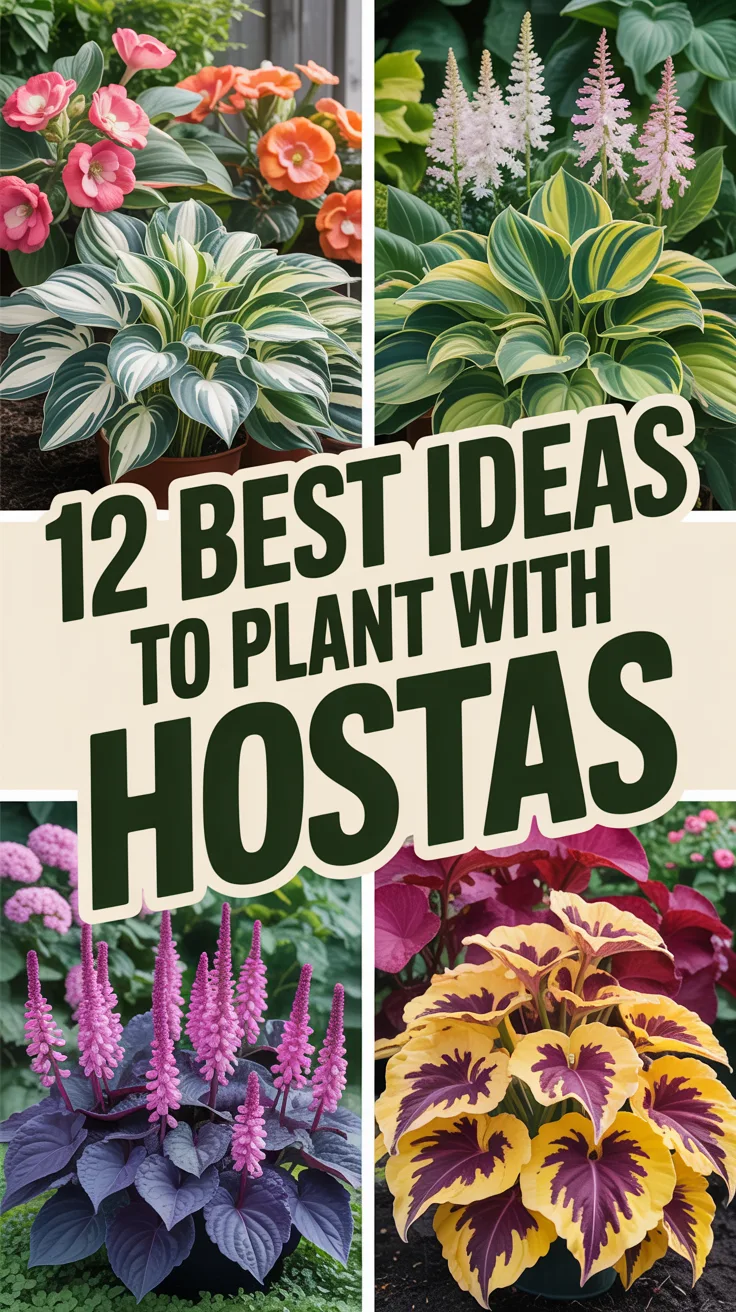
Hostas bring those big, lush leaves and a calming vibe to shady spots. But honestly, they look their best when you mix in plants that offer pops of color, some height, or a different texture.
Think about ferns, astilbes, spring bulbs, and low groundcovers. These fill gaps, add blooms, and keep things interesting all year.
Plant shade-loving perennials (like ferns and astilbes), spring bulbs for early color, and low groundcovers or small shrubs to create layered texture and year-round interest.
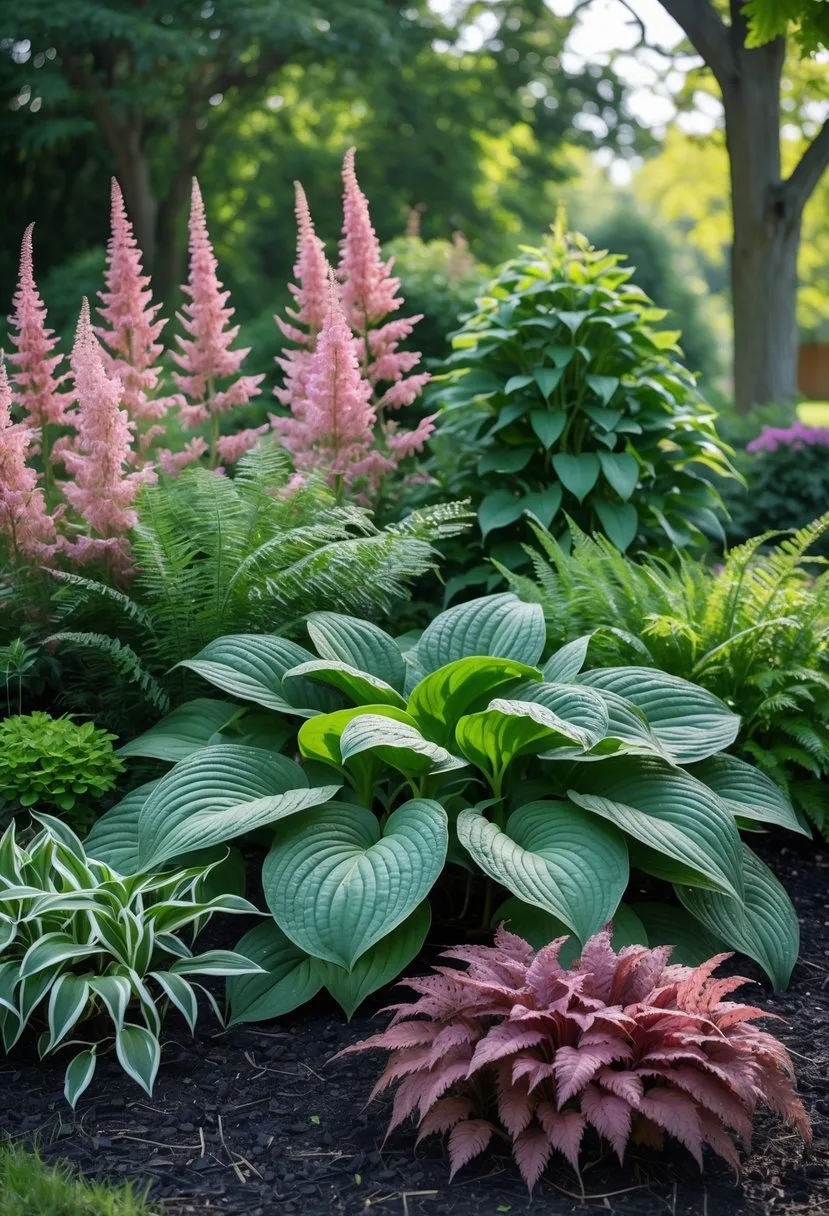
Mixing plants for contrast in leaf shape and bloom time is fun, but you’ll want to match their light and moisture needs too. That way, everything actually thrives.
Deer resistance and seasonal color matter if you want a garden that looks good without constant fuss.
Key Takeaways
- Pair hostas with shade-tolerant perennials and bulbs for layered interest.
- Match plants by light and moisture needs to help everything thrive.
- Add low groundcovers or small shrubs for texture and year-round appeal.
Companion Planting Basics for Hostas
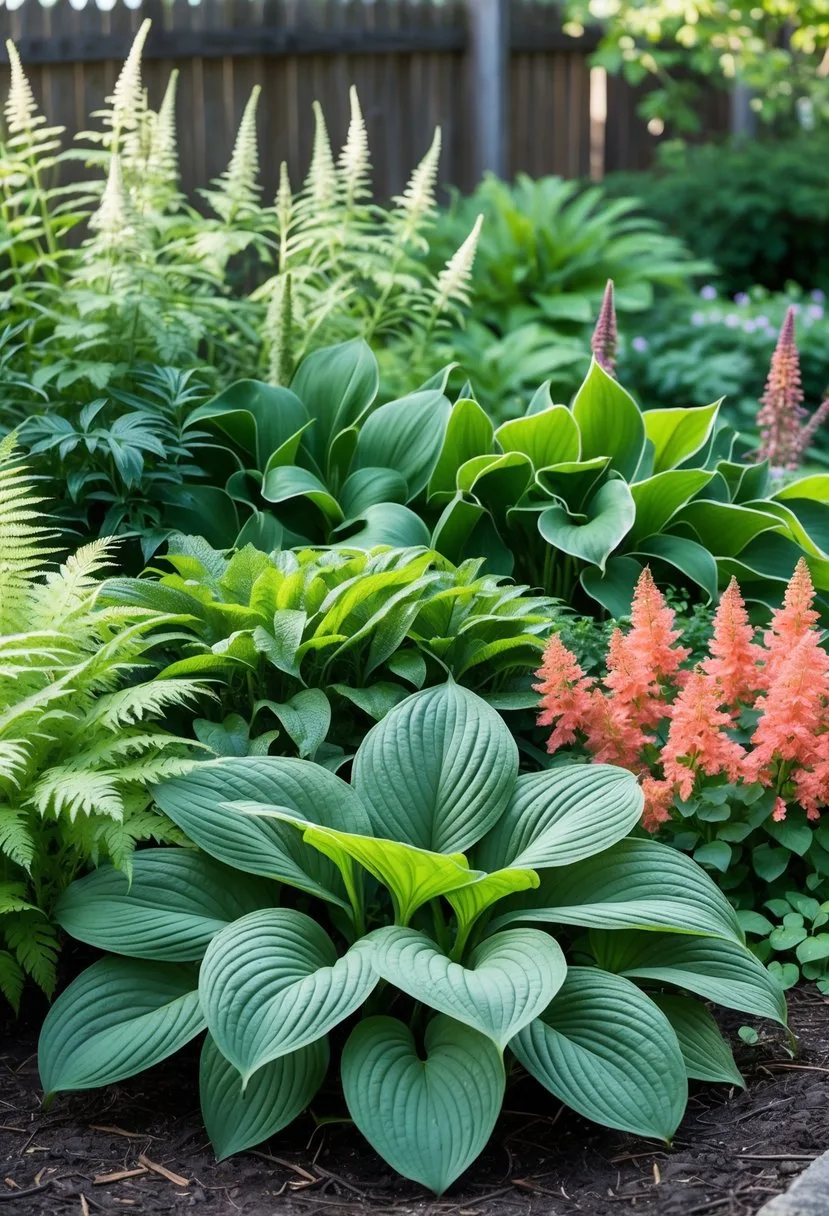
Hostas do best with plants that like the same shade, moisture, and soil. Good companions add color, staggered bloom times, and help reduce pests and erosion.
Benefits of Companion Planting
Companion plants give your hostas visual contrast and fresh interest as the seasons change. Early bulbs like daffodils and crocus bloom before hosta leaves unfurl, so you get spring color without blocking hosta growth.
Taller perennials such as astilbe or hardy ferns add vertical texture and prevent a flat look. Some companions even help with pests—plants with strong scents, like chives or garlic, may repel nibblers.
Groundcovers like ajuga or lamium hold soil moisture and suppress weeds. That means less root competition and fewer unwanted seedlings popping up.
Understanding Hostas’ Growing Requirements
Hostas prefer partial to full shade. Most types love morning sun and afternoon shade.
Keep soil rich in organic matter and consistently moist, but not soggy. Clay or loam with compost works well.
Space your hostas 18–36 inches apart, depending on the mature size. Crowding leads to poor air flow and more slug problems.
Check your hardiness zone (most hostas work in USDA zones 3–9) and pick companions that can handle the same winters.
Selecting Compatible Companion Plants
Choose plants that match your shade level, soil moisture, and root depth. Some solid picks:
- Shade perennials: astilbe, heuchera (coral bells), bleeding heart.
- Bulbs: daffodils, tulips, scilla for early color.
- Ferns: maidenhair or ostrich fern for texture.
- Groundcovers: ajuga, sweet woodruff, creeping thyme (for drier shady spots).
Skip sun-loving, drought-tolerant species and shallow-rooted plants that fight for moisture. Also, avoid slug magnets like certain lettuces unless you’re ready to battle slugs.
Stagger bloom times and mix heights—bulbs in front, medium perennials in the middle, and taller ferns or shrubs behind.
Best Perennials to Plant with Hostas
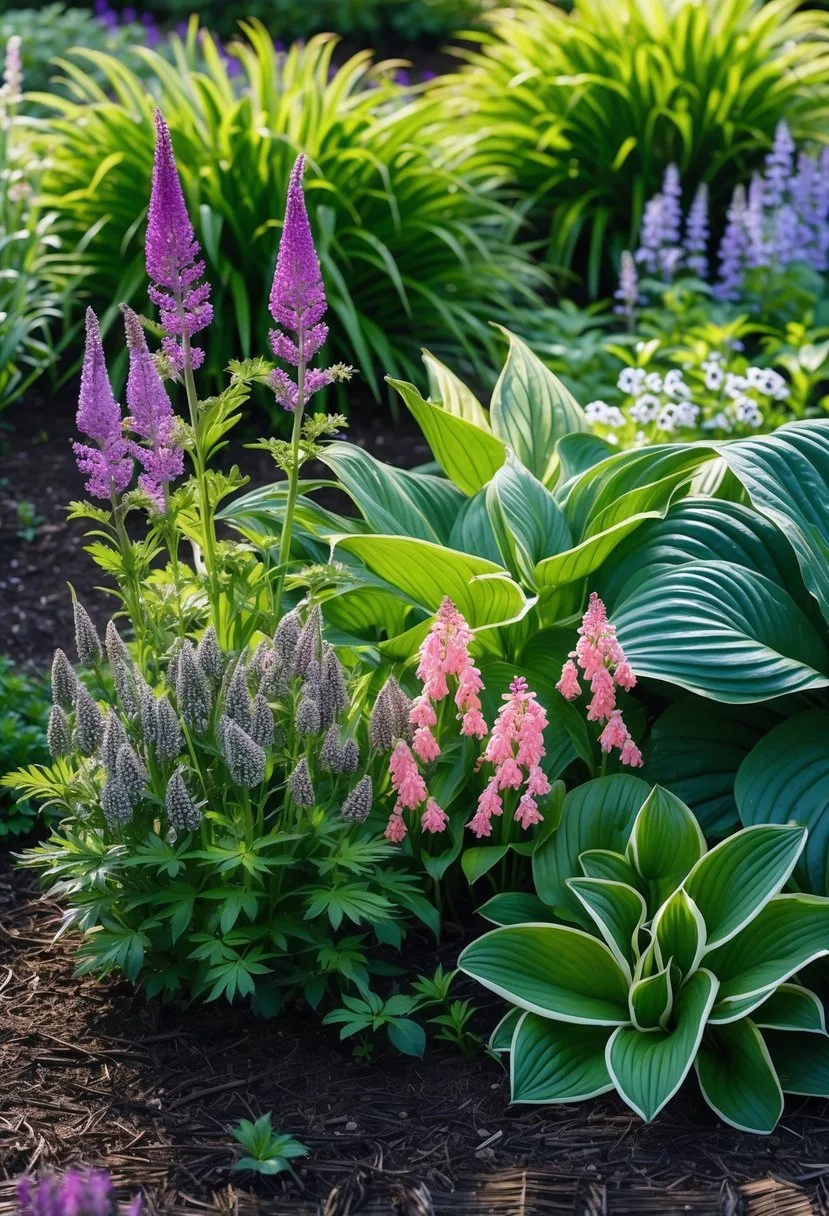
Pick perennials that like the same shade and moisture as hostas. Look for contrast in texture or color, and try to stagger bloom times for a bed that stays lively.
Astilbe
Astilbe loves partial to full shade and moist, rich soil—just what hostas want. Plant astilbe 12–18 inches from hosta clumps to give them both space.
Astilbe’s feathery plumes rise above hosta leaves, with colors from white to deep pink. They bloom late spring to mid-summer, right as hosta foliage peaks.
Astilbe tolerates wet spots, so use it near drains or low areas. Deadhead old flower stalks to keep things tidy, and divide every 3–4 years for strong growth.
Pick shorter types for small hostas, and taller astilbes (24–36 inches) for the back of big-leaf hosta beds.
Heuchera (Coral Bells)
Heuchera brings bold foliage—lime, deep purple, and everything in between. Plant it in front of hostas or tuck clusters among them for a pop of color.
Most coral bells want part shade and well-drained soil with steady moisture. Avoid soggy spots.
Flower spikes show up late spring to summer and attract pollinators, but honestly, the leaves are the main event. Divide crowded plants every few years and clear out dead leaves in spring.
Pick cultivars for leaf color and size. Small, low-growing heucheras work with mini hostas; bigger ones can handle the giants.
Ferns
Ferns just get along with hostas—both love shade, cool soil, and steady moisture. Upright ferns like ostrich or lady fern add height and a delicate look that sets off those broad hosta leaves.
Space ferns 12–24 inches from hostas so they don’t crowd each other. Ferns handle deeper shade than most flowering perennials, so they’re great for darker corners.
Cut back old fronds in early spring and mulch to keep roots cool. Try mixing ferns with mid-height hostas and save the biggest hostas for the main focal points.
Brunnera
Brunnera macrophylla (Siberian bugloss) pairs with hostas thanks to its heart-shaped, silvery or green leaves and small blue spring flowers. Plant brunnera near early hostas for a spring show before most hostas bloom.
It likes part to full shade and evenly moist soil. Some types can handle drier shade if you mulch well.
Use brunnera at the front of a border or along the edge of a hosta group. Variegated varieties brighten up dark beds.
Divide every 3–4 years to avoid crown rot and keep the foliage looking fresh.
Annuals and Seasonal Blooms for Hostas
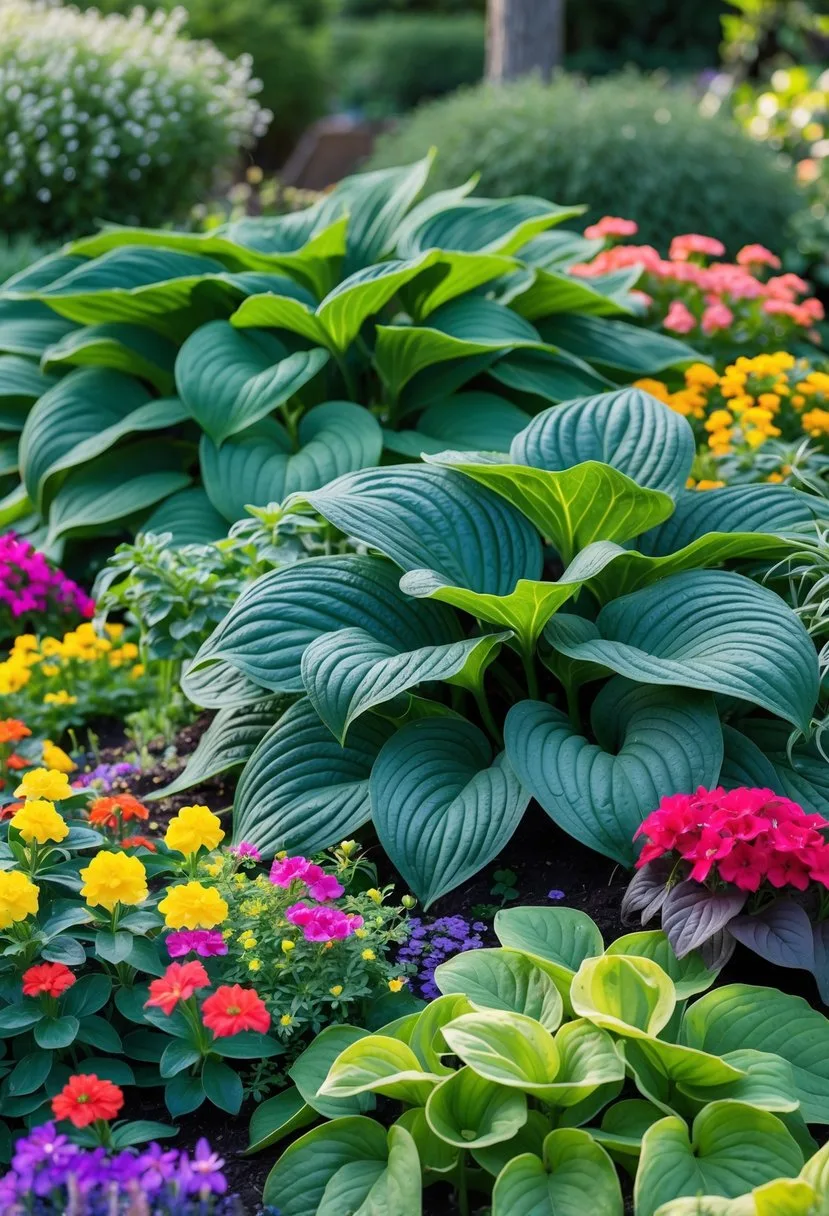
Go for annuals that like the same shade and moisture as hostas. These add color while hosta leaves fill out.
Pick plants with different bloom times to keep things lively from spring into fall.
Impatiens
Impatiens thrive in those shady, damp spots where hostas are happy. Plant them in spring after frost; they’ll bloom from late spring through fall if you keep them watered.
Use standard impatiens for bright color at the front, or New Guinea types for bigger leaves and a little more sun tolerance. Space them 6–12 inches apart for airflow and less disease.
Deadhead spent blooms and pull off yellow leaves to keep things looking good. Watch for downy mildew—if it hits, switch to resistant types or try New Guinea impatiens.
Begonias
Begonias bring waxy leaves and blooms that last a long time, making a nice contrast with hostas. Try wax begonias for low color or rex begonias if you want wild foliage.
Plant begonias in containers or directly in well-drained, humus-rich soil. Keep the soil moist but not soggy; begonias hate wet crowns.
Feed lightly every month or so to keep them blooming. If they get leggy, trim them back midseason for bushier growth.
Caladium
Caladiums have bold, colorful leaves that really pop against hosta greens. Plant tubers after the soil warms—they’ll show up in late spring and keep their color all summer.
Pick varieties by leaf shape and color—white, pink, red, or wild patterns—to match your hosta vibe.
Grow caladiums in part to full shade and keep the soil evenly moist. If you get frost, lift tubers in fall and store them dry, or just treat them as annuals in mild climates.
Space caladiums 8–12 inches apart so they fill gaps but don’t crowd the hostas.
Shrubs and Woody Plants Suited for Hostas
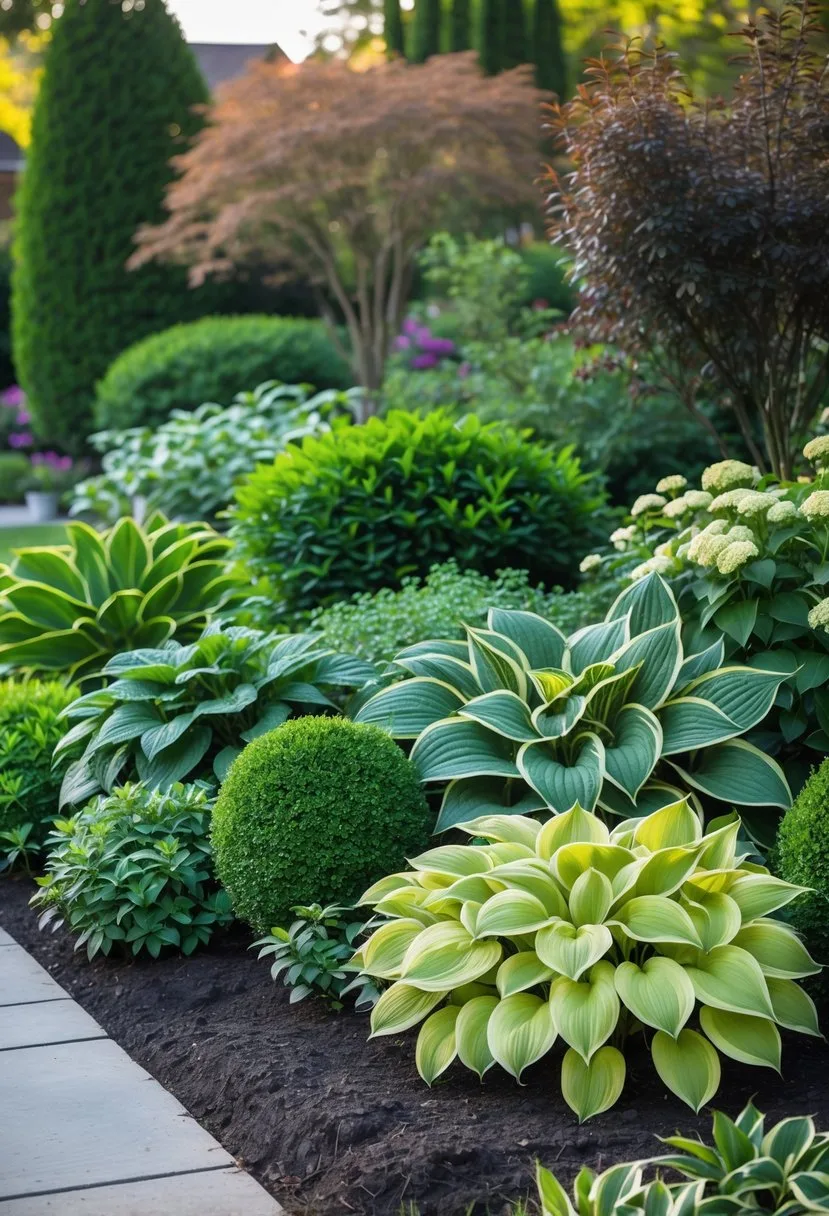
Pick shrubs that handle shade, like moist soil, and won’t hog all the nutrients. Go for plants that add height, seasonal flowers, or evergreen structure but leave room for hosta leaves to spread.
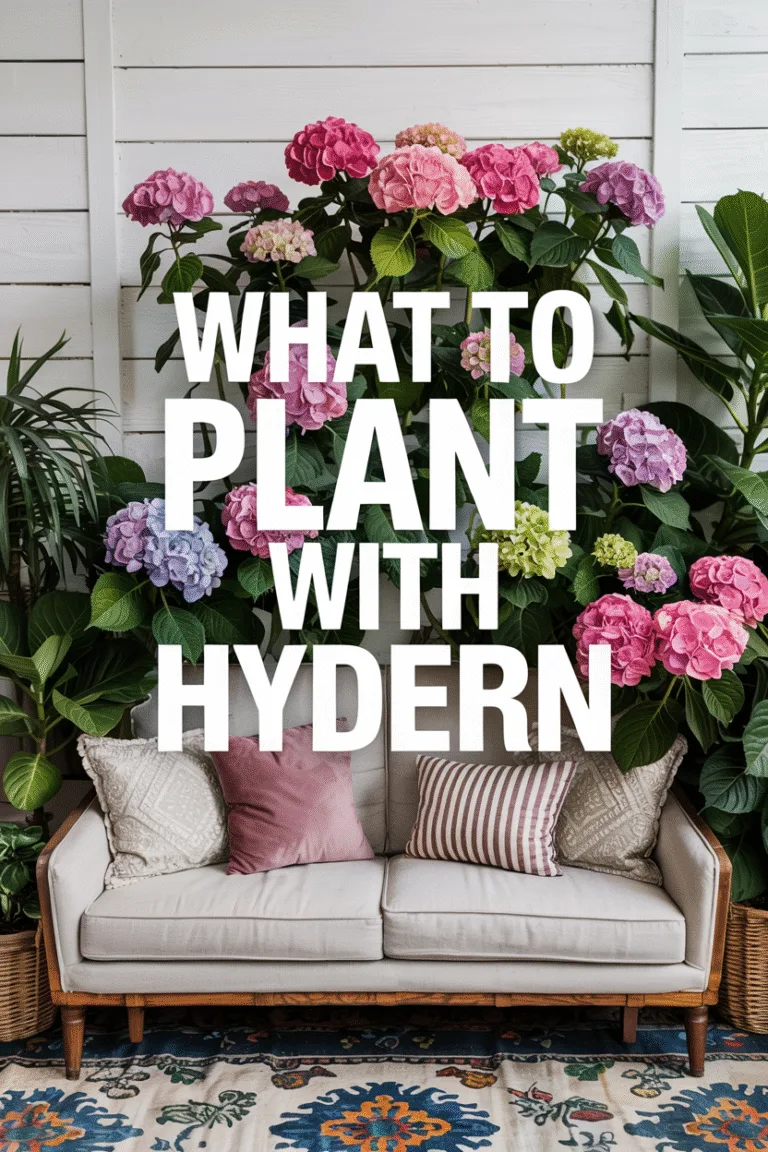
Hydrangea
Hydrangeas pair nicely with hostas since both like part shade and steady moisture. Plant hydrangeas 3–6 feet behind hostas so their blooms rise above without stealing the spotlight.
Choose mophead or lacecap types for big summer flowers. Panicle hydrangeas handle a bit more sun if your bed gets some light.
Work compost into the soil and keep it evenly moist. Mulch a couple inches deep to lock in water and cool the roots for both plants.
Prune hydrangeas as needed—panicle types in late winter. For mophead and lacecap types, check if they bloom on old or new wood before grabbing the shears.
Don’t plant hydrangeas too close to hosta crowns. Those roots can get competitive.
Boxwood
Boxwood gives hosta beds some year-round structure and a nice contrast with its small, shiny leaves. Use it as a low hedge or a single specimen 1–3 feet behind or between hosta groups to frame shady borders.
Pick slower-growing types if you want to avoid constant pruning. Plant in well-drained soil—boxwood really dislikes soggy ground.
If your site stays wet, improve drainage with raised beds or add grit to the planting hole. Feed lightly in spring and keep an eye out for boxwood blight and winter burn in exposed spots.
Trim after new growth appears to keep things tidy, but leave space for hosta leaves to spread.
Ground Covers and Low-Growing Companions
Choose ground covers that thrive in shade, help hold moisture, and stay lower than your hostas. These fill gaps, suppress weeds, and offer a fresh leaf shape or seasonal flowers.
Liriope
Liriope works well at the front of a bed or as a low edging under taller hostas. Go for liriope muscari if you want a clumping habit and grass-like foliage about a foot tall.
It handles partial to full shade and deals with most soils if drainage isn’t awful. Plant liriope in groups 8–12 inches apart for a neat mat.
Liriope sends up purple or white flower spikes in summer, adding a little vertical interest without hiding hosta leaves. Trim old foliage in early spring for fresh growth.
Watch for slugs and crown rot in wet spots.
Lamium
Lamium (dead-nettle) is great for filling shady gaps and stays below most hostas. Silver-variegated types really brighten up dark corners next to deep green hostas.
Lamium grows 4–8 inches tall and spreads slowly, so it won’t take over if you keep it trimmed. It likes moist, well-drained soil and part to full shade.
Spring brings small flowers that attract pollinators, but they won’t overpower the bed. Use lamium around smaller hostas or at the base of big ones.
Cut back runners if it creeps into areas where you want bare soil.
Ajuga
Ajuga (bugleweed) makes a dense carpet that keeps weeds down and shows off hosta leaves. Varieties with bronze, purple, or variegated leaves add cool color contrast.
Most ajuga grows 3–6 inches tall and spreads by runners, quickly covering bare patches. Plant it 6–12 inches apart and snip off flower spikes after blooming for a tidy look.
Ajuga handles shade and moist soil but can struggle in deep shade or if it gets too dry. Keep an eye on it—it can spread aggressively.
Lift and divide clumps every few years to stop it from taking over.
Color and Texture Combinations for Hostas
Pick plants that really show off your hostas’ leaf color and shape. Try bold color contrasts or softer blends, and mix up foliage textures to keep shady beds lively all season.
Contrasting Leaf Colors
Choose plants with bright or deep leaves to help hostas pop. For blue-green hostas, go for chartreuse or yellow-leaved perennials like Heuchera ‘Lime Rickey’ or golden Japanese forest grass (Hakonechloa ‘Aureola’). Those vivid shades wake up dim corners.
Set variegated hostas next to solid-dark foliage to highlight the stripes. Astilbe with deep green leaves or ferns with rich green fronds make a strong pair. Two pale or silvery-leaved plants together? They usually look washed out in low light.
Spring bulbs—tulips, daffodils—bring early color before hosta leaves fill in. Repeat a few colors across the bed so the whole thing feels connected.
Varying Foliage Shapes
Mix up round, heart-shaped, and skinny leaves for visual interest. Round hosta leaves play well with feathery ferns or the delicate leaves of Brunnera.
Fine-textured ferns break up the bold hosta blades and keep things from getting repetitive. Low groundcovers like mondo grass (Ophiopogon) or thyme can sneak under tall hostas and fill gaps.
Taller, spiky plants—think ligularia or Japanese painted fern—add vertical accents behind mid-height hostas. Try this: one bold-leaved plant (hosta), one fine-textured filler (fern or Brunnera), and one structural accent (grass or a flowering perennial). That combo keeps beds balanced and not too fussy.
Considerations for Shade and Sun
Match light levels to what your plants actually need, plus consider soil moisture and deer. Pick companions that like the same shade and water so your hostas stay happy and the garden looks intentional.
Deep Shade Pairings
In deep shade, stick with plants that handle low light and moist soil. Ferns (like Japanese painted fern) thrive in wet, shady spots and add fine texture next to the broad hosta leaves.
Heuchera (coral bells) brings year-round leaf color—darker varieties give nice contrast. Skip sun-lovers; they’ll just stretch and flop.
Epimedium and astilbe offer delicate flowers and thrive in shade. Both like steady moisture and won’t fight hostas for nutrients.
Group plants by root depth. Shallow-rooted epimediums and heucheras sit well with hostas and won’t tangle with deeper roots. Mulch lightly to lock in moisture and keep soil cool.
Dappled Sunlight Partners
In dappled sun, look for plants that can handle some morning sun or gentle afternoon shade. Spring bulbs (tulips, daffodils) brighten things up early before hosta leaves take over. Plant bulbs a bit deeper so roots don’t get crowded.
Taller perennials like brunnera and pulmonaria send up blue or spotted flowers that peek through hosta leaves. They’ll deal with intermittent sun and add color from spring into early summer.
Don’t pick heavy feeders that’ll bully your hostas. Match irrigation needs: astilbe likes it moist, brunnera does fine with average water.
Deer-Resistant Companions for Hostas
You can cut down on deer damage by choosing plants deer usually skip. Go for strong scents, fuzzy leaves, or tough textures—deer don’t like those.
Some solid picks: astilbe, lamium (dead nettle), lungwort (pulmonaria), and heuchera. Astilbe gives you feathery blooms and stands tall, plus deer rarely bother it. Lamium and lungwort work as groundcovers and offer early blooms; their fuzzy or aromatic leaves keep deer away.
Use taller, woody shrubs to shield hostas and make browsing less tempting. Rhododendron, boxwood, and barberry add structure and act as a barrier. Place these shrubs at the garden’s edge or upwind from hostas to help hide their scent.
Mix it up: plant several deer-resistant types, keep things tidy, and add deer-unfriendly textures like gravel paths. In areas with a lot of deer, you might still need repellents or fencing, but companion planting lowers the risk that hostas become the main snack.
Quick reference:
- Deer-resistant perennials: astilbe, lamium, lungwort, heuchera
- Deer-resistant shrubs: rhododendron, boxwood, barberry
- Placement tip: use shrubs as a windward screen and mix low, fuzzy groundcover near hostas.
Seasonal Interest and Year-Round Beauty
Pair hostas with plants that bloom or show off foliage at different times so your beds never look empty. Early bulbs like tulips and daffodils pop up before hosta leaves fill in.
Add spring bloomers—hellebores, spring bulbs—for color, then bring in summer bloomers like astilbe or hardy geraniums as hostas hit their stride.
Include evergreens or plants with winter structure to avoid bare patches when hostas die back. Hellebores and some ferns keep their leaves all winter. Small shrubs with cool bark or berries also help keep things interesting.
Use a simple plan to cover all four seasons:
- Spring: bulbs (tulips, daffodils), hellebores
- Summer: astilbe, heuchera, geraniums
- Fall: asters, sedum, grasses with seedheads
- Winter: evergreen groundcovers, shrubs, hellebore foliage
Think about leaf texture and height for contrast. Big hosta leaves look great with feathery ferns and wispy grasses. Taller perennials behind hostas hide bare stems and add depth.
Stagger bloom times and include plants with lasting foliage so your shade garden stays lively from early spring right through winter.
Frequently Asked Questions
You can pair hostas with plants that like the same shade and moisture, or with ones that add a different look or bloom at different times. Go for perennials, flowers, and groundcovers that fit hosta height and light for a tidy, layered vibe.
What flowers pair well with hostas for an attractive garden composition?
Plant astilbes for feathery plumes in pinks and whites that float above hosta leaves. Try bleeding heart (Dicentra) for early spring blooms and soft, lacy foliage.
Daylilies work if your hostas get some morning sun; their narrow leaves really set off hosta shapes. Spring bulbs—tulips and daffodils—bring early color before hosta foliage fills in.
Which perennials complement hostas in a garden design?
Heucheras (coral bells) give pops of color with tidy mounds and lots of leaf options. Ferns add delicate, vertical texture that blends with hosta shapes.
Brunnera brings small blue flowers in spring and heart-shaped leaves to echo hostas. Astilbe and pulmonaria also work well where the soil stays moist and light is filtered.
What ground covers are recommended to grow alongside hostas?
Ajuga and pachysandra form low mats that fill gaps and help keep weeds at bay. Liriope (monkey grass) adds grassy texture and looks nice at the front of a hosta bed.
Creeping thyme is okay for drier, sunnier spots, but stick with shade-tolerant groundcovers for true shade. Match groundcover height to hosta size so smaller hostas don’t get lost.
How can one arrange a garden with hostas as the focal plants?
Put larger hostas at the back or center and smaller ones up front. Stagger heights to create layers, and leave 18–36 inches between crowns for mature spread.
Add upright bloomers behind hostas to lift the eye. Repeat colors and textures in groups of three to five for a look that feels pulled together, not random.
What are suitable companion plants for hostas in full sun?
Only pick sun-tolerant hosta varieties for full sun and pair with sun-lovers. Daylilies, lavender, and some sedums work if you’ve got well-drained soil and can water enough.
Try drought-tolerant groundcovers like sedum at the edges. Avoid shade-only companions when hostas get strong afternoon sun.
How can I prevent deer from damaging hostas in the garden?
Try physical barriers like 5–8 foot fences. You could also plant hostas in raised beds with mesh.
Spray deer repellents with bitter or strong scents, but remember to reapply them after it rains.
Plant less-tasty options, like daffodils, around the edges to keep deer away.
It’s smart to check local rules for humane and legal ways to control deer in your area.

Ritchie Tokar is a talented interior designer and the author behind the sophisticated home styling content on Vivyro.com. With a keen eye for elegance, functionality, and modern trends, he shares inspiring design ideas, room transformations, color palettes, and practical tips to help readers create stunning, personalized living spaces that reflect their unique style.
As the creative voice of Vivyro.com, Ritchie curates visually captivating interiors, from cozy minimalist setups to bold, luxurious makeovers, drawing on years of expertise in blending aesthetics with everyday livability. His approachable guidance empowers homeowners and design enthusiasts to elevate their environments with confidence, turning ordinary rooms into extraordinary sanctuaries.