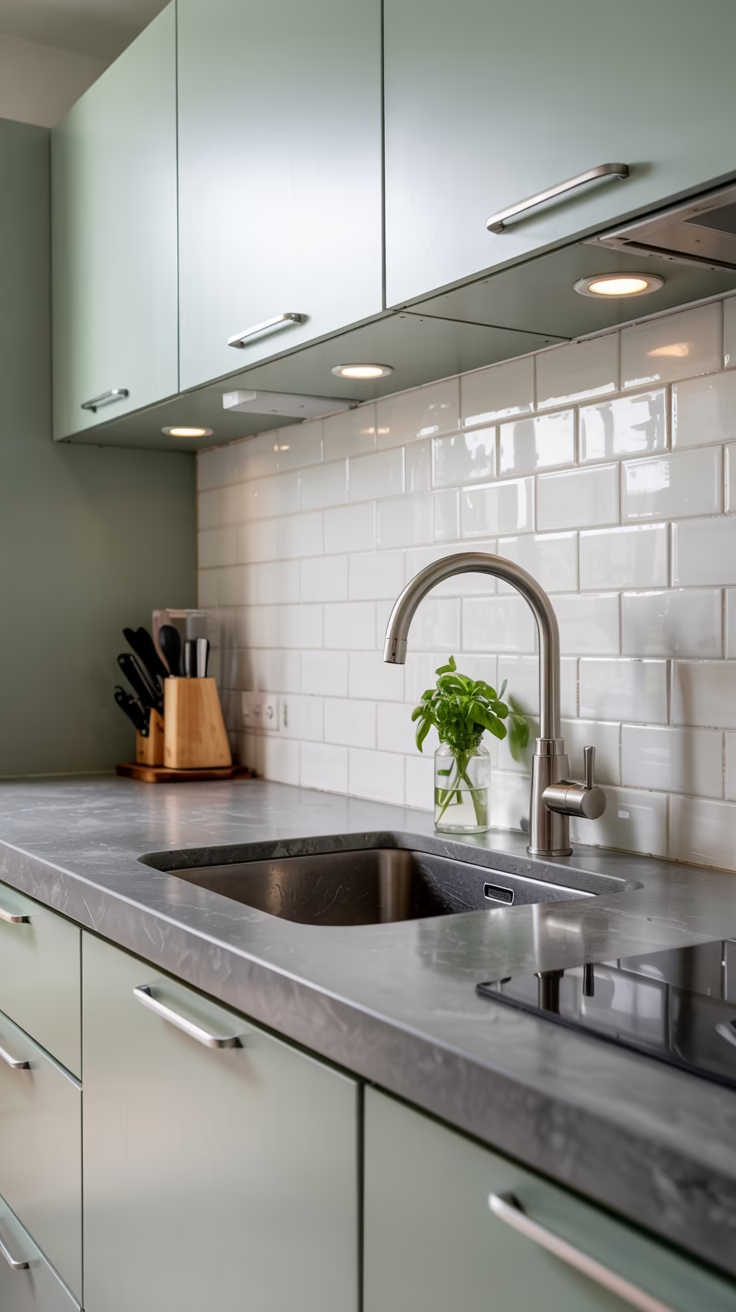
Lighting is one of the most powerful design elements in a luxury kitchen. While premium cabinetry, marble countertops, and designer appliances often steal the spotlight, professional interior designers know that exceptional lighting is what truly transforms a beautiful kitchen into a breathtaking one.
Luxury kitchen lighting is about much more than brightness. It creates atmosphere, highlights architectural features, improves functionality, and gives your kitchen an inviting warmth throughout the day and evening.
Whether you’re planning a complete kitchen renovation or simply looking to upgrade your current lighting, these designer-approved ideas will help you create a sophisticated kitchen that feels both luxurious and timeless.
1. Statement Chandeliers That Become the Centerpiece


Nothing says luxury quite like an eye-catching chandelier positioned above a spacious kitchen island.
Modern designers are moving beyond traditional crystal chandeliers and incorporating sculptural fixtures made from brass, matte black metal, smoked glass, or hand-blown artisan glass.
Designer Tips
- Choose a fixture proportional to your island.
- Hang it approximately 30–36 inches above the countertop.
- Install a dimmer for day-to-night flexibility.
- Match finishes with cabinet hardware for a cohesive look.
2. Layer Lighting Instead of Using One Fixture


Professional designers rarely rely on a single source of light.
Instead, they combine multiple layers:
- Ambient lighting for overall brightness
- Task lighting for food preparation
- Accent lighting for visual interest
- Decorative lighting for personality
This layered approach creates depth, warmth, and a premium atmosphere.
3. Oversized Pendant Lights Above the Island


Large pendant lights remain one of the biggest luxury kitchen trends.
Popular materials include:
- Hand-blown glass
- Aged brass
- Matte black steel
- White ceramic
- Natural stone
Odd-number arrangements (three pendants) generally feel balanced on long islands.
4. Hidden LED Strip Lighting


Invisible LED strips create a soft glow without drawing attention to the light source itself.
Ideal locations include:
- Under cabinets
- Floating shelves
- Toe kicks
- Ceiling coves
- Pantry shelving
- Glass display cabinets
Warm white (around 2700K–3000K) often creates a cozy, upscale ambiance.
5. Under-Cabinet Task Lighting
Kitchen work surfaces should always be well illuminated.
Professional designers frequently install continuous LED strips under upper cabinets because they:
- Eliminate shadows
- Improve visibility
- Reduce eye strain
- Enhance the appearance of countertops
This practical upgrade also contributes to the polished look of a luxury kitchen.
6. Glass Cabinet Interior Lighting


Lighting inside glass-front cabinets turns everyday dishes and decorative pieces into elegant displays.
Use it to highlight:
- Fine china
- Crystal glassware
- Decorative bowls
- Cookbooks
- Sculptural accessories
It creates a refined, boutique-like feel.
7. Cove Ceiling Lighting
Instead of relying solely on recessed lights, designers often incorporate hidden cove lighting around the ceiling perimeter.
Benefits include:
- Soft indirect illumination
- Reduced glare
- Greater visual height
- A calm, luxurious atmosphere
8. Sculptural Designer Fixtures
Today’s luxury kitchens increasingly feature lighting that doubles as art.
Popular styles include:
- Organic curves
- Geometric forms
- Floating rings
- Linear brass bars
- Handcrafted glass clusters
These fixtures become focal points while providing functional light.
9. Mix Metals Thoughtfully
Luxury kitchens are moving away from matching every finish.
Common combinations include:
- Brass + matte black
- Chrome + walnut
- Bronze + white oak
- Satin nickel + marble
The key is consistency rather than uniformity.
10. Recessed Lighting Done Right
Recessed lighting provides the foundation of most luxury lighting plans.
Tips:
- Space fixtures evenly.
- Avoid placing them directly behind where people stand at counters.
- Use dimmable LEDs.
- Choose high color-rendering bulbs (CRI 90+) for accurate food and material colors.
11. Illuminate Open Shelving
Open shelves become design features when gently illuminated from above or below.
Accent lighting can showcase:
- Ceramics
- Plants
- Art
- Glassware
- Decorative cookbooks
This subtle glow adds warmth and dimension.
12. Toe-Kick Lighting for a Floating Effect
LED strips beneath lower cabinets create the illusion that cabinetry is floating.
This contemporary detail:
- Adds nighttime safety
- Creates ambiance
- Enhances modern aesthetics
- Highlights premium cabinetry
13. Natural Light Meets Artificial Light
Luxury kitchens maximize daylight through:
- Oversized windows
- Skylights
- Glass doors
- Clerestory windows
Artificial lighting should complement natural light, with dimmers and adjustable fixtures helping maintain balance throughout the day.
14. Smart Lighting Systems
Many high-end kitchens now feature smart controls that allow you to:
- Adjust brightness
- Change scenes
- Schedule lighting
- Control fixtures via voice assistants or apps
- Save energy with automation
Common presets include “Cooking,” “Dining,” “Entertaining,” and “Night.”
15. Warm White Light for a Timeless Feel
Designers often recommend warm white LEDs because they flatter materials like wood, stone, brass, and marble.
Avoid overly cool, bluish lighting, which can make a kitchen feel clinical rather than inviting.
16. Highlight Architectural Details
Luxury lighting is often used to draw attention to standout features such as:
- Coffered ceilings
- Stone backsplashes
- Range hoods
- Waterfall islands
- Textured walls
- Exposed beams
Strategic lighting emphasizes craftsmanship and adds visual drama.
17. Add Decorative Wall Sconces


Wall sconces are increasingly appearing in upscale kitchens, especially beside windows, open shelving, or coffee stations.
They provide:
- Soft accent lighting
- Additional visual layers
- A custom, designer look
Choose finishes that complement your overall palette for a cohesive design.
Designer Tips for Luxury Kitchen Lighting
- Use multiple layers of light rather than a single central fixture.
- Install dimmers on all major lighting circuits.
- Aim for warm white LEDs (2700K–3000K).
- Select bulbs with a high CRI (90+).
- Keep fixture finishes coordinated with cabinet hardware and faucets.
- Balance statement pieces with functional task lighting.
- Incorporate smart controls for convenience and energy efficiency.
Frequently Asked Questions
What type of lighting makes a kitchen look luxurious?
Layered lighting that combines ambient, task, accent, and decorative fixtures creates a rich, high-end appearance. Statement pendants, hidden LED strips, under-cabinet lighting, and elegant chandeliers are all designer favorites.
What color temperature is best for a luxury kitchen?
Warm white light, typically between 2700K and 3000K, is widely preferred because it enhances natural materials and creates a welcoming atmosphere.
Are pendant lights still in style?
Yes. Oversized pendants in brass, glass, ceramic, or sculptural forms remain a defining feature of luxury kitchen design.
Is smart lighting worth adding?
For many homeowners, yes. Smart systems make it easy to customize brightness and mood, improve energy efficiency, and adapt lighting for cooking, entertaining, or relaxing.
Final Thoughts
Luxury kitchen lighting is about creating harmony between beauty and function. By layering light, choosing high-quality fixtures, and highlighting the architectural details of your space, you can achieve a kitchen that feels elegant, practical, and timeless.
Whether you’re renovating an entire kitchen or making a few strategic upgrades, thoughtful lighting can dramatically elevate the look and feel of the room. Investing in designer-inspired lighting choices ensures your kitchen remains welcoming, functional, and visually stunning for years to come.