You don’t need a huge renovation budget to make your home feel elegant, polished, and expensive. In fact, some of the most effective luxury home decor upgrades come down to small details: better lighting, intentional styling, beautiful textures, and a few statement pieces.
The goal isn’t to fill every corner with expensive furniture. It’s about creating a home that looks thoughtfully designed, layered, and personal.
Pinterest’s 2026 home trends are also moving toward more personalized spaces, bold colors, vintage finds, expressive details, and smaller decorating projects rather than perfectly coordinated rooms.
If you’re wondering how to make your home look expensive without spending a fortune, these 14 decorating ideas are a great place to start.
1. How to Make Your Living Room Look Expensive With Layered Lighting

One of the fastest ways to make a room feel more luxurious is to improve the lighting.
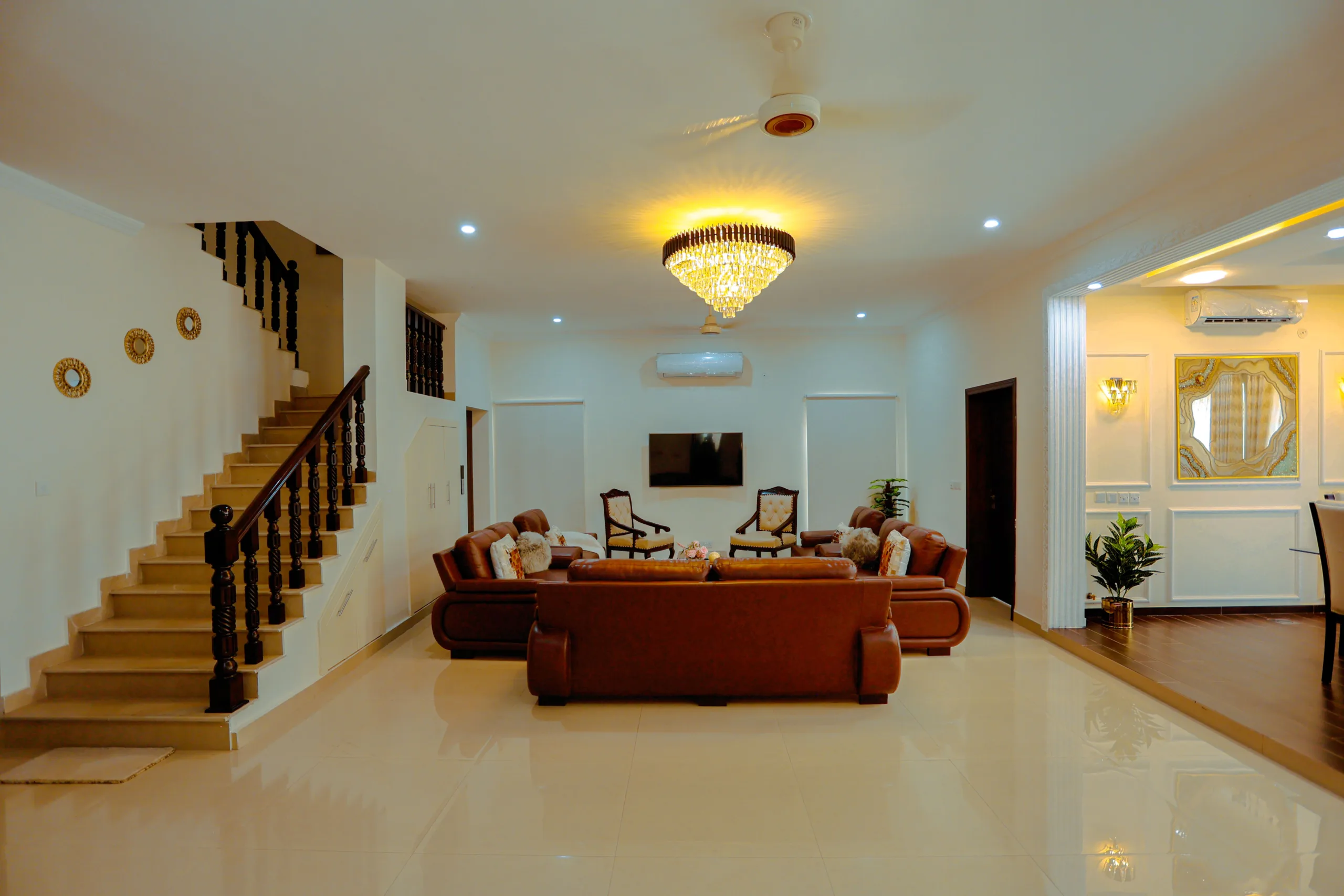
Instead of relying on one bright ceiling fixture, create several layers of light. Combine a floor lamp, table lamps, wall lights, and soft accent lighting to give the room depth.
Choose warm-white bulbs and place lamps at different heights. A lamp beside a sofa, a picture light above artwork, or a small lamp on a console can completely change the atmosphere.

For an especially polished look, hide visible cords whenever possible and choose lamps with sculptural or classic silhouettes.
The result is a living room that feels warmer, softer, and much more intentionally designed.
2. How to Use Large Mirrors to Make a Room Feel More Luxurious

A large mirror can make a surprisingly dramatic difference.
Instead of scattering several tiny mirrors around the room, try one oversized mirror with a beautiful frame. Leaning a large mirror against a wall can create a relaxed designer look, while an ornate or sculptural frame can become a statement piece.

Position the mirror where it can reflect natural light, a window, artwork, or an attractive part of the room. This can make the space feel brighter and more open.
For a sophisticated look, consider antique-inspired, arched, brass, black, or organic-shaped mirrors.
3. How to Style Your Sofa With Expensive-Looking Textures

Your sofa takes up a large portion of the living room, so styling it properly can instantly elevate the entire space.
Start with a restrained collection of cushions rather than covering the sofa completely. Mix different textures such as linen, velvet, boucle, cotton, or woven fabrics.
Add a soft throw casually over one arm or across the back.
The secret is contrast. Pair smooth fabrics with textured ones and solid colors with one subtle pattern. Neutral shades such as cream, taupe, warm gray, brown, and soft beige create an elegant foundation, while a deeper accent color can add personality.

Layering textiles is also consistent with the current move toward comfortable, personalized interiors rather than overly perfect spaces.
4. How to Make Your Walls Look Expensive Without Renovating

You don’t necessarily need expensive wallpaper or custom paneling to make your walls look sophisticated.
Instead, create a focal wall using artwork, a gallery arrangement, decorative molding, oversized photography, or a large statement print.
One oversized artwork can often look more intentional than many small pieces competing for attention.

For a gallery wall, keep some consistency between the frames while allowing the artwork itself to have personality. Black, walnut, brass, and antique-style frames can all create a more collected appearance.
You can also use a picture light above artwork to give the wall a boutique-hotel feel.
5. How to Use Curtains to Make Your Windows Look More Expensive

Curtains are one of the most overlooked ways to upgrade a room.
For a taller, more elegant appearance, hang curtain rods several inches above the window frame and extend them beyond the sides of the window.
Choose curtains that reach the floor rather than stopping just below the window.
Linen-look, cotton, velvet, and heavyweight textured fabrics can all add visual richness. Neutral curtains are particularly versatile, but dramatic colors can work beautifully when the rest of the room is restrained.

The key is fullness. Curtains that look too narrow or skimpy can make even an expensive room feel unfinished.
6. How to Create a Luxe Look With a Neutral Color Palette

Neutral doesn’t have to mean boring.
Instead of using one shade of beige throughout the entire room, combine several related tones. Think ivory, cream, sand, camel, taupe, warm gray, walnut, and soft brown.
Then introduce contrast through materials.

For example, pair a cream sofa with a walnut coffee table, a textured rug, stone accessories, and linen curtains.
This tonal approach creates the feeling of a professionally designed space without requiring everything to match perfectly.
7. How to Add One Statement Piece Instead of Buying More Decor

Sometimes the secret to an expensive-looking room is actually having less stuff.
Choose one item that deserves attention: a sculptural chair, oversized vase, dramatic coffee table, unique chandelier, large artwork, or statement mirror.
Let that piece become the focal point and keep the surrounding decor relatively simple.
This prevents the room from looking cluttered and gives individual pieces room to breathe.

A curated approach also fits the broader 2026 shift toward expressing personality rather than simply copying a particular aesthetic.
8. How to Make Your Dining Area Look Like a Boutique Restaurant

You can make an ordinary dining area feel much more special with a few simple additions.
Start with a beautiful centerpiece. A low vase filled with branches, seasonal flowers, or greenery works well without blocking conversation.
Add fabric napkins, elegant placemats, candles, and a simple table runner.

Don’t feel like everything has to match. Combining wood, glass, ceramic, metal, and textiles creates a layered tablescape that feels collected.
For everyday dining, keep the arrangement simple enough that the table remains functional.
9. How to Use Metallic Accents Without Making Your Home Look Cheap

Metallic finishes can add instant sophistication—but moderation matters.
Choose one primary metal for the room, such as brass, aged gold, chrome, or blackened metal, and repeat it subtly.
For example, you might use brass on a lamp, cabinet handles, picture frames, and a small decorative object.
Avoid covering the room in shiny gold accessories. A few well-placed metallic details usually create a more refined effect.

Chrome and brass are particularly relevant to 2026’s NeoDeco-inspired interiors, which combine geometric forms with polished metallic finishes.
10. How to Make a Bedroom Feel Like a Luxury Hotel

A luxurious bedroom should feel calm, layered, and comfortable.
Start with high-quality-looking bedding in white, cream, taupe, or another soft neutral. Add two or three layers of pillows rather than filling the bed with dozens.
Place matching or complementary lamps on both sides of the bed when possible.
Add a bench at the foot of the bed, a soft rug underfoot, and curtains that reach the floor.
Finally, keep nightstands relatively uncluttered. A lamp, small vase, book, or candle is often enough.

The fewer random objects you have on display, the more intentional the room feels.
11. How to Add Expensive-Looking Natural Materials

Natural materials immediately bring warmth and depth to an interior.
Look for wood, stone, rattan, linen, wool, ceramic, marble, and woven fibers.
You don’t need to replace your furniture. Instead, introduce these materials through smaller additions such as a wooden tray, ceramic vase, woven basket, stone bowl, linen cushions, or marble-look tabletop.

The combination of different materials makes a room feel layered rather than flat.
Natural textures are also a good way to soften modern spaces that contain lots of glass, metal, or clean lines.
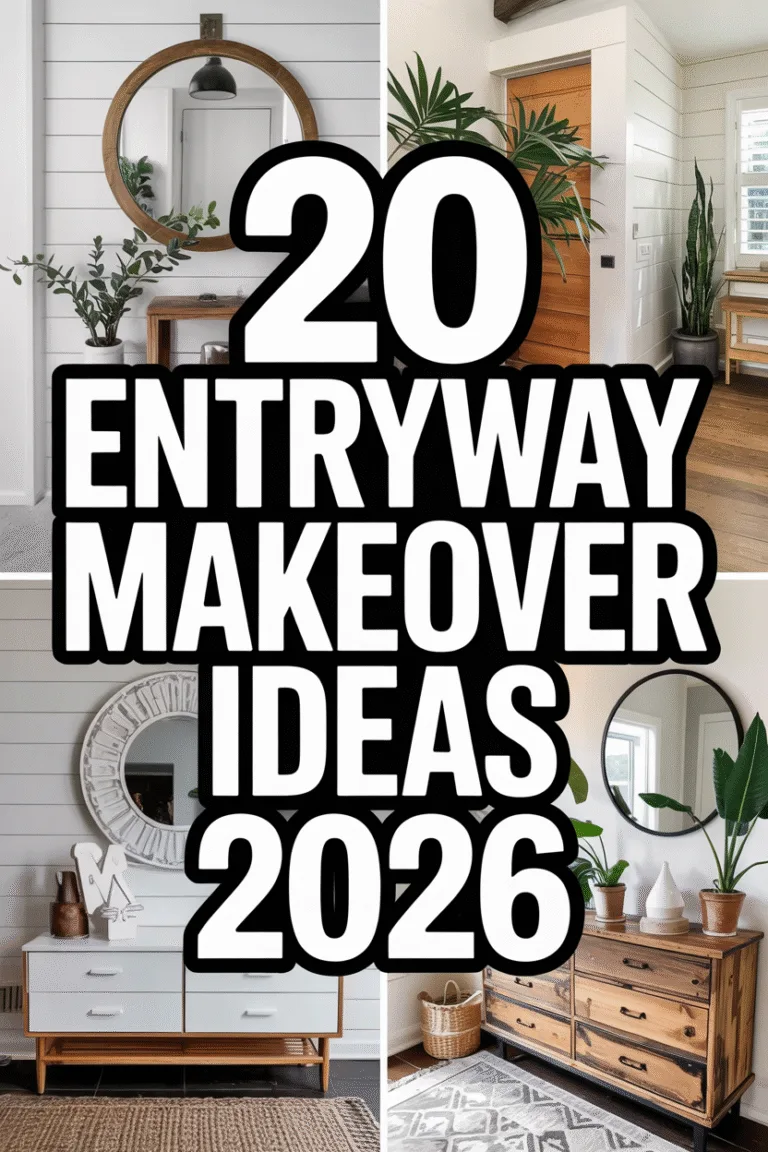
12. How to Create a Designer-Looking Entryway

Your entryway sets the tone for the rest of your home.
Create a simple landing zone with three elements: something functional, something decorative, and something with height.
For example, place a slim console table against the wall. Add a large mirror above it, then style the surface with a tray, vase, lamp, or small piece of artwork.

Keep shoes, keys, bags, and other everyday clutter contained in baskets or drawers.
If you have limited space, a narrow console or floating shelf can create the same effect without making the entryway feel crowded.
13. How to Make a Small Room Look More Expensive and Spacious

Small rooms can look luxurious when you avoid overwhelming them.
Choose furniture that fits the scale of the room and leave some breathing space around each piece.
Use mirrors strategically, keep the color palette cohesive, and choose furniture with visible legs when possible to maintain visual openness.
Instead of decorating every wall, create one strong focal point.

A comfortable reading chair, a beautiful lamp, a small side table, and one piece of artwork can turn an unused corner into a stylish destination.
Pinterest’s 2026 trend data shows growing interest in small-space retreats such as cozy reading chairs and closet reading nooks, reinforcing the appeal of making even tiny areas feel intentional.
14. How to Make Your Home Look Expensive by Adding Personality

The final step is the one that makes a house feel like your home.
Add objects that actually mean something to you: books you’ve read, travel finds, vintage pieces, family photographs, artwork, collected ceramics, or interesting objects from thrift stores.
Don’t try to make every corner look like a showroom.
A beautiful home usually has some contrast between old and new, polished and imperfect, simple and expressive.

Pinterest’s current trend direction is increasingly centered on personalization and self-expression rather than perfectly replicated interiors.
How to Make Your Home Look Expensive Without Overspending
You don’t have to complete all 14 ideas at once.
Start with the changes that create the biggest visual difference:
- Improve your lighting.
- Hang curtains higher and wider.
- Add one oversized mirror.
- Upgrade your sofa cushions and throws.
- Declutter visible surfaces.
- Introduce natural textures.
- Add one statement piece.
- Style your entryway.
- Display meaningful objects instead of random decorations.
Small improvements can completely change how a room feels.
Final Thoughts
Learning how to make your home look expensive isn’t really about buying expensive things. It’s about proportion, lighting, texture, balance, and intention.
Choose fewer pieces, style them thoughtfully, and give your favorite objects enough space to stand out. Mix comfortable materials with polished details, and don’t be afraid to add color or vintage pieces that reflect your personality.
The most beautiful interiors aren’t necessarily the ones with the biggest budgets—they’re the ones where every detail feels intentional.
FAQ
What makes a home look expensive?
Good lighting, appropriate furniture proportions, quality-looking textiles, large-scale artwork, mirrors, natural materials, and uncluttered surfaces can make a home feel significantly more polished.
How can I make my house look expensive on a budget?
Start with low-cost visual changes such as rearranging furniture, improving lighting, adding curtains, decluttering, styling shelves, and introducing textured cushions and throws.
What colors make a home look luxurious?
Cream, ivory, taupe, warm beige, brown, charcoal, deep blue, muted green, and other sophisticated tones can create an elegant foundation. The best choice depends on the room’s natural light and existing finishes.
How do I make a small living room look luxurious?
Use appropriately sized furniture, layered lighting, a large mirror, cohesive colors, fewer decorative objects, and one strong focal point.
How do I make my bedroom look like a luxury hotel?
Use layered bedding, symmetrical bedside lighting, floor-length curtains, a restrained color palette, a soft rug, and uncluttered nightstands.