Choosing a new floor is about much more than picking a color you like. The right flooring has to work with the room’s moisture level, traffic, cleaning routine, comfort requirements, and overall design.
A beautiful floor can become frustrating if it scratches easily in a busy hallway, absorbs moisture in a bathroom, or feels too cold in a bedroom.
Fortunately, today’s flooring choices offer far more flexibility than they once did. Engineered wood, luxury vinyl, porcelain tile, natural stone, carpet, cork, and other materials can all serve different purposes throughout a home. Consumer Reports’ latest room-by-room guidance similarly emphasizes matching flooring to the conditions of each space rather than using one material everywhere.
The 15 flooring ideas for home below will help you find options that look beautiful while also making sense for everyday life.
1. Wide-Plank Hardwood for a Timeless Living Room

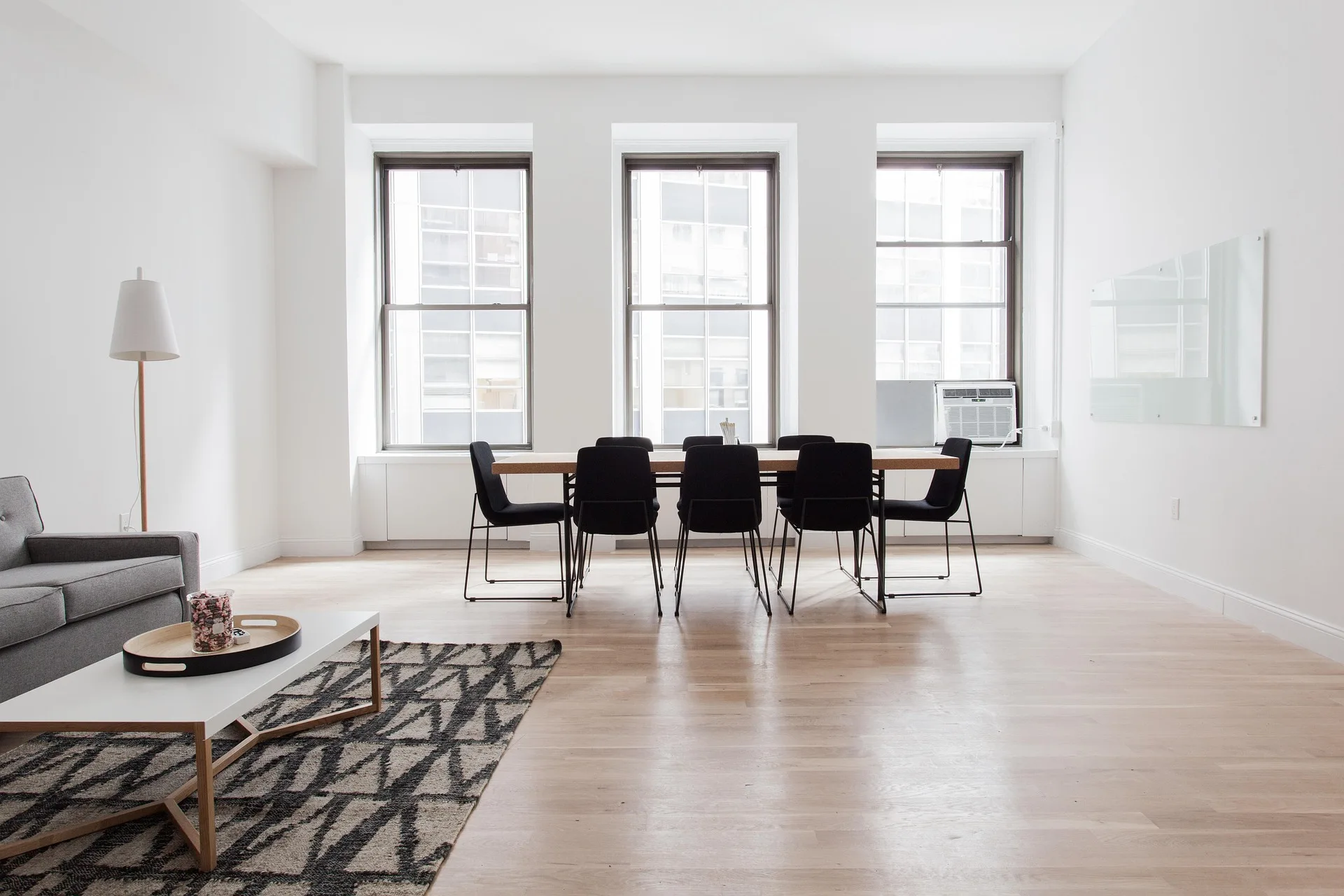
Few flooring materials create the warmth and character of genuine hardwood.
Wide-plank oak is especially effective in living rooms because its larger boards create fewer visual interruptions, giving the space a calm and sophisticated appearance.

For a contemporary look, consider natural or lightly stained oak with a matte finish rather than a highly glossy surface.
Why homeowners love it
Hardwood can last for decades when properly maintained, and some solid wood floors can be refinished when they become worn.
It also creates continuity between adjoining living areas, which can make an open floor plan feel more cohesive.
Best for:
- Living rooms
- Dining rooms
- Hallways
- Bedrooms
- Home offices
Watch out for:
Hardwood isn’t the ideal choice where frequent standing water is expected.
For kitchens or other areas where moisture is a concern, engineered wood or a water-resistant alternative may be more practical.
2. Engineered Hardwood for Beauty With Added Stability

Engineered hardwood gives you the appearance of real wood while using a layered construction designed to provide greater dimensional stability than traditional solid wood.
That makes it a particularly versatile option for modern homes.

A wide-plank engineered oak floor can look just as sophisticated as solid hardwood while working well in spaces where humidity and temperature fluctuate.
Consumer Reports also identifies engineered wood as a strong option for living spaces and bedrooms.
Design tip
Choose boards with visible natural grain, subtle color variation, and a low-sheen finish.
Those details tend to look more authentic and timeless than heavily uniform or glossy finishes.
3. Luxury Vinyl Plank for Busy Family Spaces

Luxury vinyl plank, commonly called LVP, has become one of the most practical flooring choices for busy homes.
Today’s higher-quality products can closely imitate wood grain, stone, and other natural materials while offering easy maintenance and strong resistance to everyday spills.

This makes LVP particularly useful for households with children, pets, or heavy foot traffic.
Where it works particularly well
Use it in:
- Kitchens
- Family rooms
- Hallways
- Mudrooms
- Basements
- Entryways
Many modern vinyl floors are designed to be highly water resistant or waterproof at the product level, but the entire installed floor system still depends on seams, subfloor conditions, installation, and manufacturer specifications.
4. Porcelain Tile for a Durable Kitchen Floor


Kitchens demand a floor that can handle spills, dropped objects, food messes, frequent cleaning, and plenty of foot traffic.
Porcelain tile is one of the strongest choices for that environment.

It comes in an enormous range of colors, sizes, textures, and patterns, including convincing wood, marble, limestone, and concrete looks.
Make porcelain feel warmer
Large-format tiles with narrow grout joints can create a cleaner, more contemporary appearance.
For a softer look, choose warm beige, greige, ivory, or muted terracotta rather than stark white.
If you’re concerned about slipping, pay attention to the manufacturer’s wet-slip performance rather than choosing solely based on appearance.
5. Marble-Look Porcelain for a Luxury Bathroom

Want the visual drama of marble without committing to natural stone throughout the room?
Marble-look porcelain can be an excellent alternative.

Modern porcelain printing and surface textures can reproduce the movement of marble remarkably well, allowing you to create a luxurious bathroom without requiring the same maintenance routine associated with some natural stones.
Best design combinations
Pair marble-look flooring with:
- Brushed brass fixtures
- Warm oak cabinetry
- Cream walls
- Soft white towels
- Fluted glass
- Minimal black accents
For bathrooms, prioritize moisture resistance and appropriate wet-slip performance over simply choosing the prettiest tile. Consumer Reports identifies porcelain as a leading bathroom flooring choice because of its performance in wet environments.
6. Soft Carpet for a Cozy Bedroom

If comfort is your highest priority, carpet remains difficult to beat.
Stepping onto a soft carpet first thing in the morning creates a completely different feeling from walking onto a hard surface.

Carpet can also absorb sound, making it particularly useful in bedrooms and quiet areas.
Choose the right carpet
For an elegant bedroom, consider a neutral wool or high-quality synthetic carpet in cream, taupe, oatmeal, or warm beige.
Avoid overly busy patterns if you want the room to feel calm.
For households with allergies or pets, carefully consider the fiber type, cleaning requirements, and whether hard flooring with washable area rugs would better suit your routine.
7. Herringbone Wood Flooring for a Designer Look

If standard straight planks feel too predictable, herringbone can instantly elevate a room.
The repeating pattern adds architectural interest without requiring bold colors.

Natural oak works especially well because the grain variation creates subtle movement within the pattern.
Where to use it
Herringbone is particularly striking in:
- Entryways
- Dining rooms
- Living rooms
- Libraries
- Home offices
If the room is small, avoid combining a highly dramatic floor pattern with too many other competing patterns.
Let the flooring become the feature.
8. Chevron Flooring for a More Dramatic Statement

Chevron flooring resembles herringbone but creates a continuous V-shaped pattern.
It’s an excellent choice if you want your floor to feel more architectural and decorative.

The pattern works beautifully in sophisticated dining rooms, formal living spaces, entryways, and luxury bedrooms.
Keep the rest simple
Because chevron naturally draws attention, pair it with relatively restrained furniture and wall colors.
A warm neutral palette allows the flooring to remain visually important without making the room feel overwhelming.
9. Natural Stone for an Organic, High-End Feel

Natural stone brings variation that manufactured flooring cannot perfectly reproduce.
Travertine, limestone, slate, and other stones can give a home an earthy, architectural character.

Each piece may contain subtle differences in tone, texture, and pattern.
Where it works
Natural stone can be beautiful in:
- Entryways
- Sunrooms
- Kitchens
- Bathrooms
- Mudrooms
- Mediterranean-style interiors
Keep in mind that natural stone may require sealing and ongoing maintenance depending on the material and finish.
10. Terracotta-Style Flooring for a Warm Kitchen

Terracotta introduces an instant sense of warmth.
Its earthy orange, clay, rust, and muted red tones can make kitchens feel welcoming and connected to natural materials.
For a more practical contemporary interpretation, terracotta-look porcelain offers a similar visual effect with different performance characteristics.

This style has also been gaining attention in contemporary kitchen design, particularly in earthy, rustic-inspired spaces.
Design pairing
Try terracotta flooring with:
- Cream cabinetry
- Natural wood
- Aged brass
- Handmade-looking backsplash tile
- Linen textiles
- Soft green accents
The result feels collected rather than overly coordinated.
11. Large-Format Tile for a Small Bathroom

Large-format flooring can make a compact bathroom feel calmer because fewer grout lines interrupt the visual surface.
Choose a relatively quiet tile with subtle variation rather than an extremely busy pattern.

Warm gray, limestone-inspired beige, soft taupe, and creamy stone tones are particularly versatile.
One important detail
Large tiles aren’t automatically easier to install.
The subfloor needs to be properly prepared, and installers need to account for the tile’s size, layout, drainage requirements, and the room’s dimensions.
Good installation matters just as much as the tile itself.
12. Waterproof Flooring for the Laundry Room

Laundry rooms need flooring that can tolerate moisture and the occasional appliance leak.
Porcelain tile, suitable waterproof vinyl flooring, and other moisture-resistant systems are popular choices.

The goal is to choose something that is easy to clean and appropriate for the room’s moisture exposure.
Consumer Reports specifically recommends moisture-resistant flooring for bathrooms and laundry areas, with porcelain tile among its leading choices.
Style idea
Instead of treating the laundry room like a purely functional space, use the floor to add personality.
A subtle checkerboard, stone pattern, or warm wood-look surface can make the room feel much more intentional.
13. Cork Flooring for a Comfortable Home Office

Cork is an underrated flooring option for people who spend long periods standing or walking around a home office.
Its slightly resilient surface can feel more forgiving underfoot than hard tile.

Cork also has a naturally warm appearance that works beautifully with wood furniture and neutral interiors.
Before choosing cork
Check the manufacturer’s recommendations for moisture exposure, finish, maintenance, and installation.
It isn’t the first choice for wet areas, but in a suitable dry room it can create a comfortable and distinctive floor.
14. Durable Tile for the Mudroom and Entryway


The entryway has to deal with some of the hardest conditions in the house.
Outdoor dirt, sand, water, mud, shoes, pets, and heavy traffic all come through the front door.
A durable porcelain or other appropriately rated tile can handle this environment while giving you plenty of design flexibility.
Make the floor practical
Consider:
- Matte or textured surfaces
- Mid-tone colors
- Easy-clean finishes
- Darker grout where appropriate
- A proper entry mat
- A dedicated shoe area
Don’t choose a glossy floor simply because it looks beautiful in a showroom.
The entryway needs to perform when it’s wet and dirty.
15. Create Continuity With the Same Flooring Throughout Connected Rooms


Sometimes the best flooring idea isn’t choosing different materials for every room.
Using the same flooring across connected spaces can create a much more cohesive visual flow.
This is particularly effective in open-concept homes where the kitchen, dining area, hallway, and living room are visually connected.
Recent interior-design guidance also highlights continuous flooring as a way to reduce visual interruptions and make smaller spaces appear more expansive.
When to break the flooring
A transition may make sense when moving into a room with dramatically different moisture conditions.
For example, a bathroom may need a flooring system specifically designed for wet conditions.
The goal isn’t to make every room identical.
It’s to make the transitions feel deliberate.
How to Choose the Best Flooring for Every Room
The biggest mistake homeowners make is choosing flooring based entirely on appearance.
Instead, start with the room’s conditions.
Ask yourself five questions:
1. How much moisture will the floor encounter?
Bathrooms, laundry rooms, mudrooms, and some kitchens require more moisture-resistant materials.
2. How much traffic does the room receive?
A busy hallway needs considerably more durability than a rarely used guest bedroom.
3. How important is comfort?
Bedrooms, nurseries, and home offices may benefit from warmer or softer flooring.
4. How much maintenance are you willing to do?
Natural materials can be beautiful but may require more maintenance than some manufactured alternatives.
5. How long do you expect the floor to last?
Think beyond the initial purchase price.
A cheaper floor that needs replacement much sooner isn’t necessarily the less expensive choice over the life of the home.
Best Flooring Ideas by Room
| Room | Strong Flooring Choices | What to Prioritize |
|---|---|---|
| Living Room | Hardwood, engineered wood, LVP | Appearance, durability |
| Bedroom | Hardwood, engineered wood, carpet | Comfort, warmth |
| Kitchen | Porcelain, LVP, suitable engineered wood | Moisture, durability |
| Bathroom | Porcelain, suitable waterproof vinyl | Water resistance, slip safety |
| Entryway | Porcelain, durable tile, LVP | Traffic, dirt, moisture |
| Mudroom | Porcelain, tile, LVP | Durability, cleaning |
| Laundry Room | Porcelain, tile, waterproof vinyl | Moisture resistance |
| Dining Room | Hardwood, engineered wood, luxury vinyl | Style, durability |
| Home Office | Hardwood, engineered wood, cork, carpet | Comfort, acoustics |
| Basement | Tile, suitable rigid vinyl | Moisture, subfloor |
| Hallway | Hardwood, engineered wood, LVP, tile | Traffic resistance |
The table is a starting point rather than a universal rule. Actual suitability depends on the specific product, installation system, subfloor, moisture conditions, and manufacturer requirements.
How to Make Cheap Flooring Look More Expensive
You don’t necessarily need the most expensive material to create a high-end appearance.
The secret is often in the installation and surrounding design.
Choose a restrained color palette and avoid floors that look overly artificial.
Pay attention to plank direction, grout color, transitions, trim, and the relationship between the floor and walls.
For example, a modestly priced wood-look floor can feel considerably more sophisticated when it is paired with simple baseboards, quality lighting, and carefully selected furniture.
Three upgrades that make a difference
Use consistent transitions.
Abrupt changes between materials can make a home feel visually fragmented.
Choose the right scale.
Large rooms can often accommodate wider boards or larger tiles, while smaller rooms may benefit from a simpler visual pattern.
Don’t overdo patterns.
If your floor has dramatic veining or a strong geometric pattern, let the rest of the room breathe.
Should You Use the Same Flooring Throughout the House?
There isn’t one correct answer.
Using the same flooring across several connected rooms can make a home feel larger and more cohesive.
However, completely different rooms have different functional requirements.
A bathroom, laundry room, or mudroom may benefit from a material designed specifically for moisture and heavy use.
The best approach is usually to create a consistent flooring story rather than forcing one material into every room.
For example, warm oak can run through the living spaces while complementary stone-look porcelain appears in bathrooms and the mudroom.
Flooring Installation Matters as Much as the Material
Even excellent flooring can fail if it is installed over an unsuitable or poorly prepared subfloor.
Before installation, check whether the subfloor is level, dry, structurally sound, and appropriate for the selected flooring system.
Moisture is especially important when installing over concrete.
Some materials also require acclimation before installation, while others have specific temperature and humidity requirements.
Always follow the flooring manufacturer’s installation instructions rather than assuming every product works the same way.
Flooring Mistakes to Avoid
Choosing Appearance Before Performance
A floor can look beautiful in a photograph but be completely wrong for your room.
Start with moisture, traffic, maintenance, and comfort.
Ignoring the Subfloor
Uneven or damp subfloors can create problems regardless of how expensive the flooring is.
Choosing Very Trendy Flooring
Trends can be fun, but flooring is a relatively permanent decision.
If you’re renovating for long-term enjoyment or resale, consider whether you’ll still like the style years from now.
Forgetting Transitions
Different flooring materials need thoughtful transitions.
Poorly planned transitions can make otherwise beautiful rooms look disconnected.
Buying Only Based on Price
Compare the complete project cost, including underlayment, subfloor preparation, installation, trims, transitions, waste, and future maintenance.
Frequently Asked Questions
What is the best flooring for a whole house?
There isn’t one universal best flooring.
Engineered wood, hardwood, and quality luxury vinyl can work across many dry areas, while bathrooms and other wet rooms often call for moisture-resistant options such as porcelain tile or suitable waterproof vinyl.
What flooring makes a home look expensive?
Wide-plank natural wood, sophisticated engineered hardwood, well-installed stone, marble-look porcelain, and carefully executed herringbone or chevron patterns can all create a high-end appearance.
The quality of installation and the surrounding design often matter as much as the material itself.
What is the most durable flooring for busy homes?
Porcelain tile is exceptionally durable, while quality luxury vinyl can provide a strong combination of durability, water resistance, comfort, and easy maintenance.
The right choice depends on the room and the type of wear it experiences.
What flooring is best for bathrooms?
Porcelain tile is a leading choice because it handles moisture well and offers extensive design possibilities.
Suitable waterproof vinyl can be a warmer and often more forgiving alternative.
Is hardwood a good choice for kitchens?
Hardwood can work in kitchens when properly selected, installed, sealed, and maintained, but it requires more attention to moisture than tile or suitable waterproof flooring.
If spills and leaks are a major concern, consider a more moisture-resistant material.
What flooring is best for bedrooms?
Hardwood, engineered wood, and carpet are all strong choices.
Choose carpet when softness and sound absorption are priorities, or wood when you want a cleaner, more timeless appearance.
Final Thoughts
The best flooring ideas for home aren’t necessarily the most expensive or trendiest options.
They’re the ones that balance beauty, durability, comfort, maintenance, and the demands of each room.
Use warm hardwood where you want timeless character.
Choose engineered wood when you want natural beauty with added versatility.
Reach for porcelain tile where moisture and durability matter most.
Consider luxury vinyl when you need practicality without sacrificing style.
And don’t overlook carpet, cork, or natural stone when their particular strengths match the way you use a room.
Most importantly, choose flooring as part of the home’s overall design rather than as an isolated purchase.
When the material, color, pattern, lighting, furniture, and transitions all work together, even a relatively simple floor can make the entire home feel more polished, comfortable, and intentionally designed.