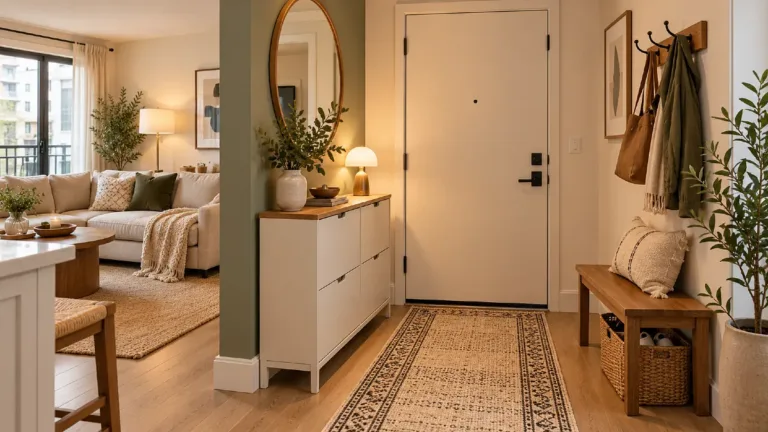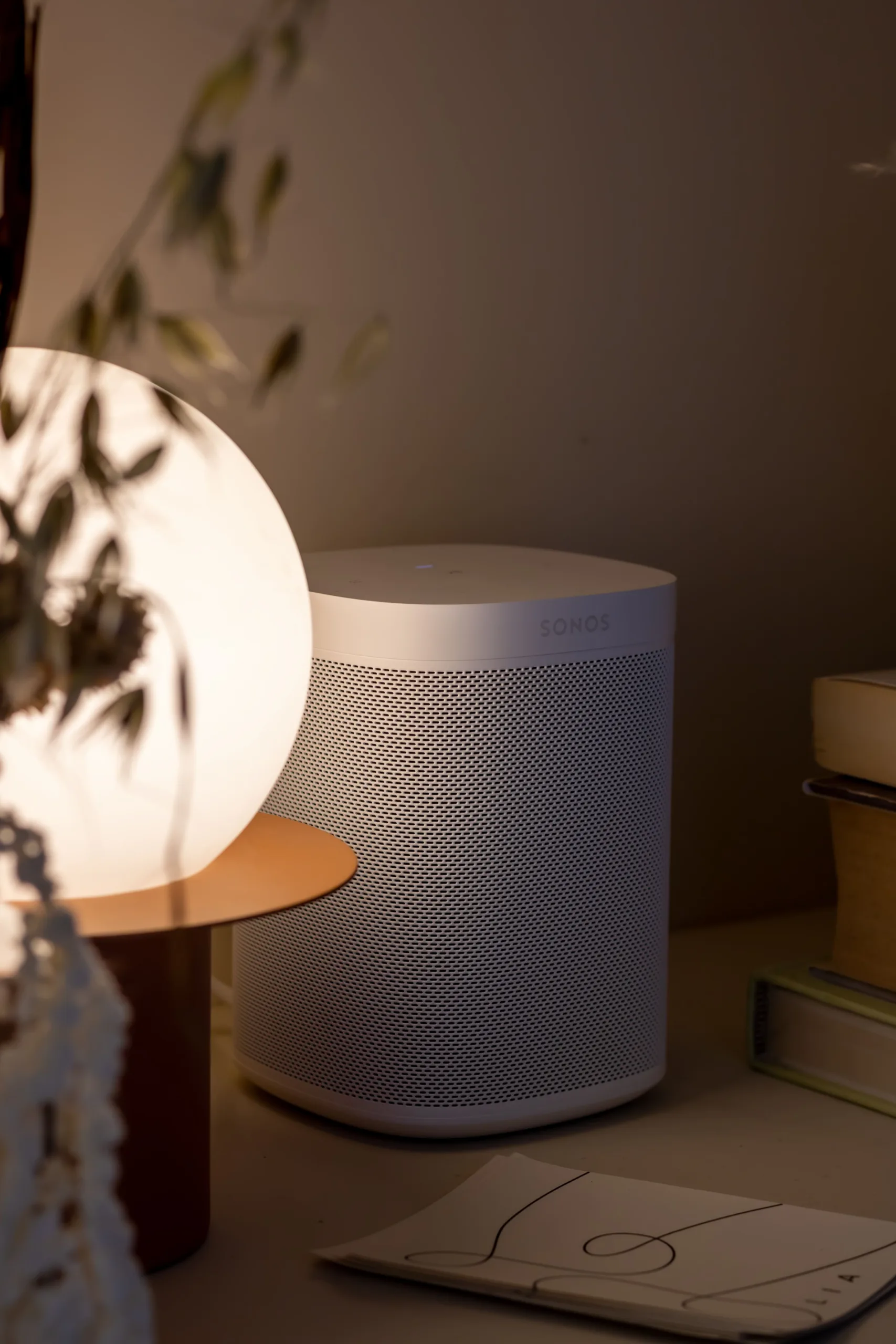
Lighting is one of the most powerful design elements in any home. It influences how a room looks, feels, and functions. In today’s connected homes, smart home lighting design goes beyond simply turning lights on and off with your phone. It’s about creating a layered lighting plan that combines ambient, task, and accent lighting to make every room more comfortable, efficient, and visually appealing.
Whether you’re building a new home, renovating an existing space, or upgrading to smart lighting, understanding how to layer different types of lighting can transform your interiors from ordinary to extraordinary.
In this guide, we’ll explore everything you need to know about smart home lighting design, including room-by-room strategies, fixture ideas, smart controls, energy-saving tips, and common mistakes to avoid.
What Is Layered Lighting?


Layered lighting is the practice of combining multiple light sources that each serve a different purpose. Instead of relying on a single ceiling fixture, designers use three distinct lighting layers:
- Ambient Lighting – Provides overall illumination.
- Task Lighting – Helps you perform specific activities.
- Accent Lighting – Adds drama, depth, and highlights architectural features or décor.
When these layers work together, a room becomes brighter, more functional, and visually balanced.
Why Smart Lighting Makes Layering Better
Smart lighting allows you to control brightness, color temperature, schedules, and even lighting scenes with your smartphone or voice assistant.
Benefits include:
- Energy efficiency
- Personalized lighting scenes
- Voice control
- Motion-activated lighting
- Automated schedules
- Better sleep through circadian lighting
- Enhanced home security while away
- Lower electricity costs over time
With smart controls, each lighting layer can be adjusted independently depending on the time of day or activity.
Understanding the Three Layers of Lighting
1. Ambient Lighting (General Lighting)


Ambient lighting forms the foundation of every room. It provides enough illumination for everyday movement and general visibility.
Popular Ambient Fixtures
- Recessed ceiling lights
- Flush mount fixtures
- Semi-flush ceiling lights
- Chandeliers
- LED ceiling panels
- Cove lighting
- Smart LED bulbs
Best Practices
- Aim for even light distribution.
- Use dimmers for flexibility.
- Choose warm white (2700K–3000K) for living spaces.
- Use daylight (4000K–5000K) for work areas.
2. Task Lighting


Task lighting focuses light exactly where it’s needed.
Common Task Lighting Examples
- Under-cabinet kitchen lighting
- Reading lamps
- Desk lamps
- Vanity mirror lights
- Pendant lights over islands
- Closet lighting
- Sewing or craft lights
Ideal Locations
Kitchen:
- Countertops
- Islands
- Pantry
Bathroom:
- Vanity mirrors
Bedroom:
- Bedside lamps
- Reading sconces
Home Office:
- Adjustable desk lamps
3. Accent Lighting


Accent lighting creates mood and visual interest.
Popular Accent Fixtures
- LED strip lights
- Picture lights
- Wall washers
- Shelf lighting
- Toe-kick lighting
- Cabinet lighting
- Landscape lighting
Accent lighting should generally be three times brighter than surrounding ambient lighting to effectively draw attention.
Room-by-Room Smart Lighting Guide
Living Room


Combine:
- Recessed ambient lighting
- Floor lamps
- Table lamps
- LED shelf lighting
- Fireplace accent lighting
- Smart dimmers
Recommended Scenes
- Movie Night
- Reading
- Entertaining
- Relax
- Cleaning Mode
Kitchen


A kitchen requires all three lighting layers.
Ambient
- Recessed ceiling lights
Task
- Under-cabinet LEDs
- Pendant lights above islands
Accent
- Glass cabinet lighting
- Toe-kick LEDs
- Open shelf lighting
Smart sensors can automatically illuminate pathways during nighttime.
Bedroom


Layer lighting for comfort.
Ambient
Soft ceiling fixture
Task
Reading sconces
Bedside lamps
Accent
LED headboard lighting
Closet lighting
Floating shelf LEDs
Warm lighting promotes relaxation before bedtime.
Bathroom


Ideal lighting includes:
- Ceiling ambient lights
- Bright vanity lighting
- Shower niche LED strips
- Mirror backlighting
- Toe-kick night lighting
Avoid placing lights directly above the mirror, as this can cast unflattering shadows.
Dining Room


Layer your lighting with:
- Statement chandelier
- Wall sconces
- Buffet cabinet lighting
- Dimmable smart bulbs
Lighting scenes can transition from family dinners to elegant entertaining with a single tap.
Home Office


Use:
- Bright ambient lighting
- Adjustable desk lamp
- Shelf accent lighting
- Bias lighting behind monitors
Cooler white lighting improves focus and productivity.
Choosing the Right Color Temperature
| Kelvin | Appearance | Best Use |
|---|---|---|
| 2200K | Candlelight | Cozy evenings |
| 2700K | Warm White | Living rooms |
| 3000K | Soft White | Bedrooms |
| 3500K | Neutral White | Hallways |
| 4000K | Cool White | Kitchens |
| 5000K | Daylight | Offices |
| 6500K | Bright Daylight | Garages |
Many smart bulbs allow you to adjust color temperature throughout the day.
Smart Lighting Features Worth Considering

Modern smart lighting systems offer features that improve convenience and energy efficiency:
- Voice control with compatible assistants
- Motion sensors
- Sunrise and sunset automation
- Vacation mode
- Dimming controls
- Color-changing RGB options
- Adaptive circadian lighting
- Remote control via smartphone
- Geofencing
- Energy monitoring
Common Smart Lighting Mistakes to Avoid
Even the best fixtures won’t perform well if they’re poorly planned. Avoid these common mistakes:
- Relying on a single ceiling light
- Ignoring task lighting in work areas
- Overusing colored RGB lighting
- Mixing inconsistent color temperatures
- Installing fixtures at the wrong height
- Skipping dimmers
- Forgetting outdoor lighting
- Neglecting smart automation
Energy-Saving Tips


To make your smart lighting system more efficient:
- Replace incandescent bulbs with LED smart bulbs.
- Use occupancy sensors in hallways, closets, and bathrooms.
- Create schedules to turn lights off automatically.
- Dim lights whenever full brightness isn’t necessary.
- Take advantage of daylight by opening blinds during the day.
- Group lights into zones so only occupied areas are illuminated.
Frequently Asked Questions
What are the three layers of lighting?
The three layers are ambient lighting for general illumination, task lighting for activities like cooking or reading, and accent lighting to highlight architectural details, artwork, or décor.
What color temperature is best for a smart home?
Warm white (2700K–3000K) is ideal for relaxing spaces such as living rooms and bedrooms, while cooler temperatures (4000K–5000K) work better in kitchens, bathrooms, and home offices where visibility is important.
Is smart lighting worth the investment?
Yes. Smart lighting improves convenience, enhances home security, reduces energy consumption, and allows you to customize lighting for different activities and moods.
Can I add smart lighting without rewiring my home?
Absolutely. Many smart bulbs, plugs, switches, and wireless controls can be installed in existing homes without major electrical work, making smart lighting upgrades accessible for most homeowners.
Final Thoughts
A well-planned smart home lighting design combines ambient, task, and accent fixtures to create spaces that are both functional and visually stunning. Instead of relying on one overhead light, layering different light sources adds depth, flexibility, and comfort to every room. By pairing this approach with smart controls, dimmers, and automation, you can enjoy a home that’s more energy-efficient, easier to manage, and tailored to your daily routine.
Whether you’re updating a single room or designing an entire house, investing in layered smart lighting is one of the most impactful ways to elevate your home’s style and usability.