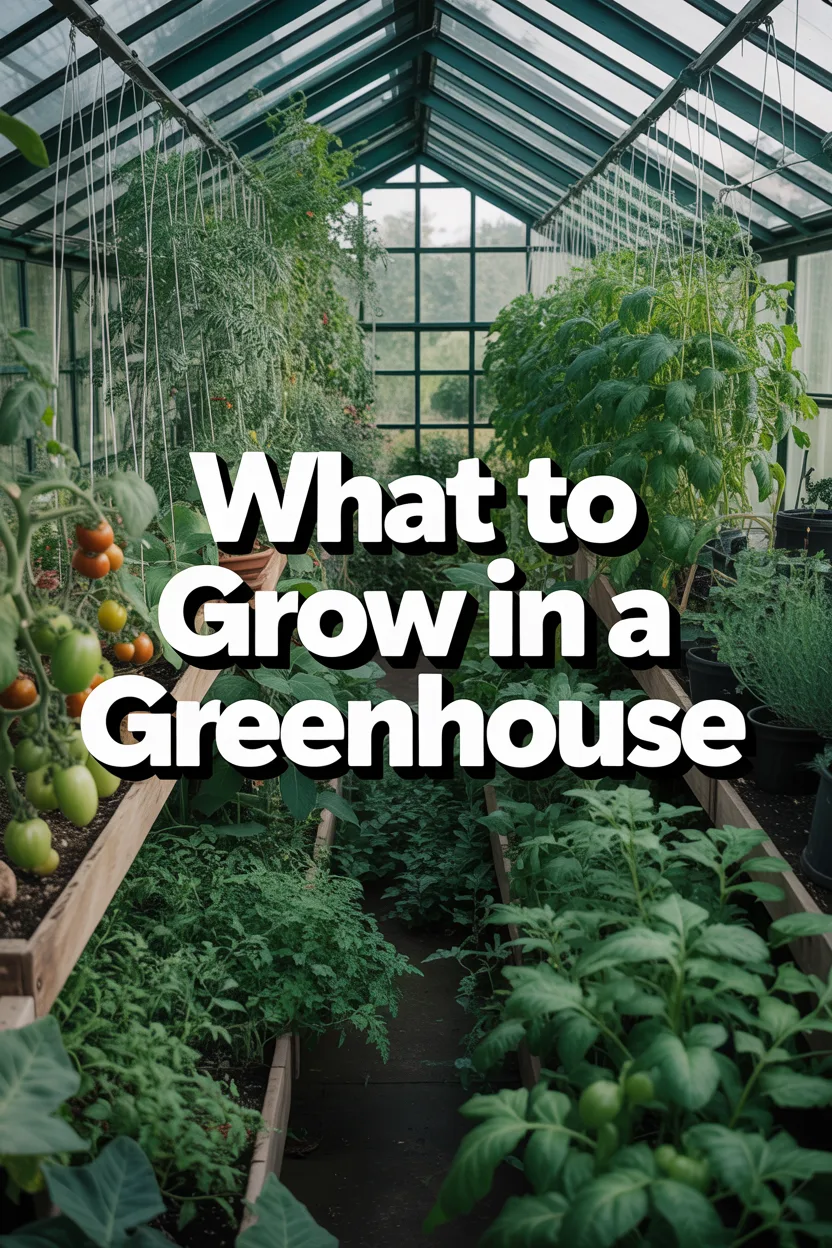
You can grow almost any vegetable, herb, flower, or even tropical fruit in a greenhouse. Just pick crops that fit your space, heat, and light.
Warm-season vegetables like tomatoes, peppers, and cucumbers work great. Leafy greens and herbs for year-round harvest are reliable, and potted citrus or orchids keep things interesting and rewarding.
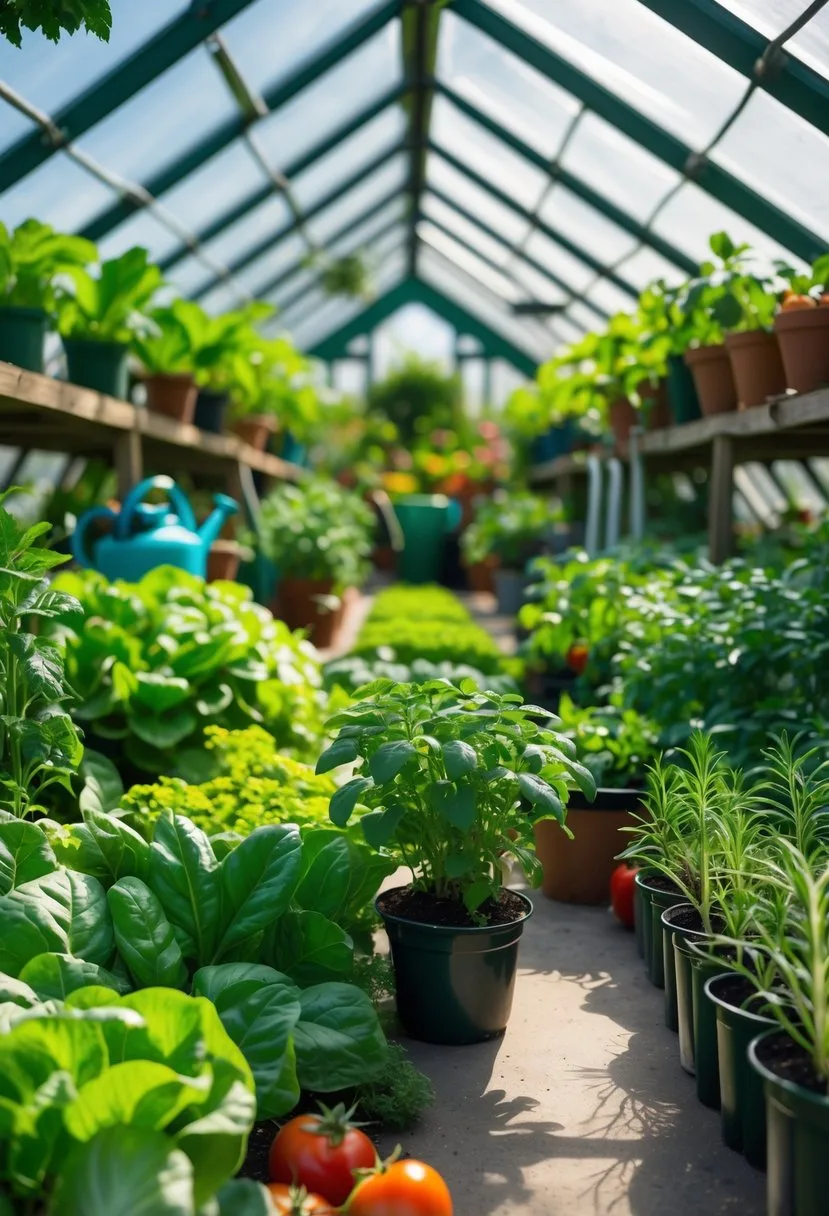
Start by matching your plants to your greenhouse setup and your local climate. Use heat for tropicals, shade or ventilation for delicate flowers, and containers or hydroponics if you’re short on soil space.
With a bit of planning you can stretch the seasons, speed up starts, and even grow crops that just don’t make it outdoors.
Key Takeaways
- Pick crops that actually like your greenhouse’s temperature, light, and space.
- Use succession planting and containers for steady harvests.
- Toss in a few exotic or ornamental plants to boost variety and value.
Best Crops to Grow in a Greenhouse
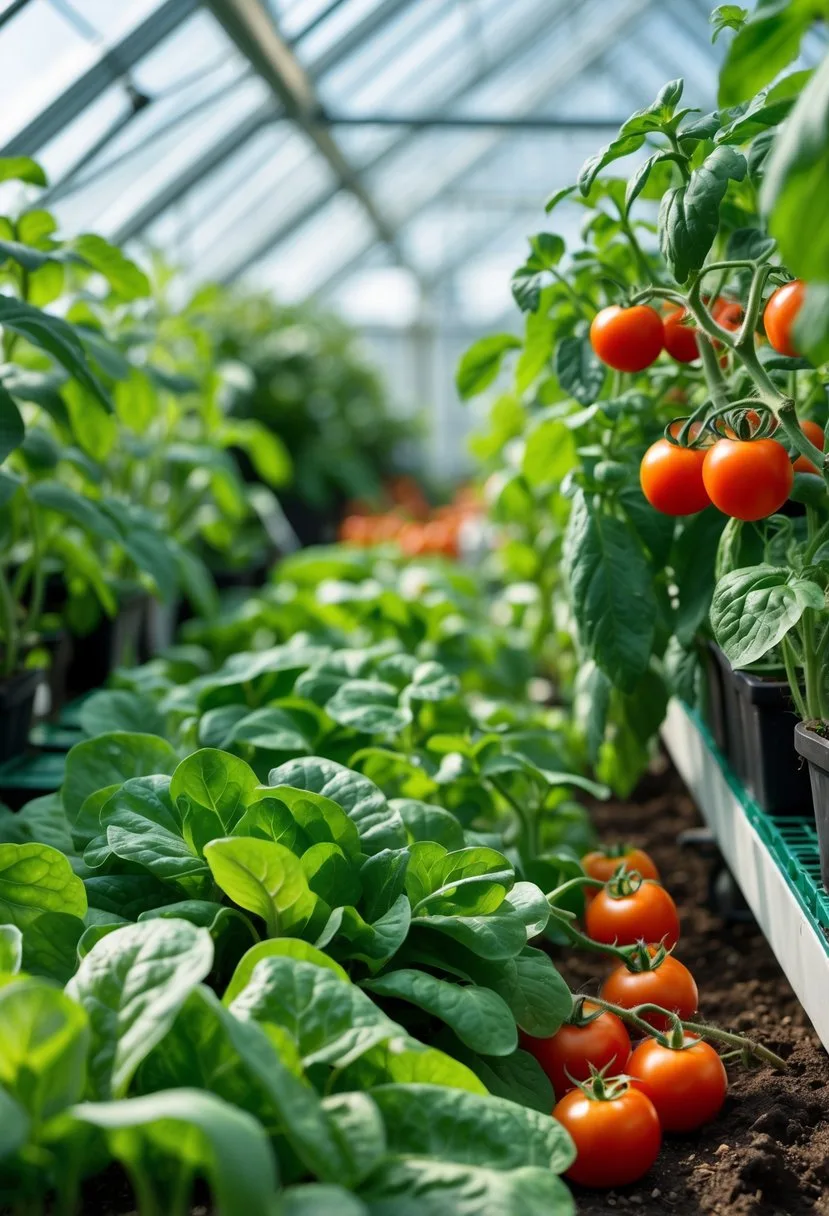
A greenhouse gives you control over temperature, humidity, and light. That means you can push harvests earlier and later than what’s possible outdoors.
Choose crops that fit your space, heating budget, and how much daily care you want to give.
Vegetables for Greenhouse Cultivation
Go for vegetables that love steady warmth and protection. Tomatoes, peppers, cucumbers, and leafy greens are top picks.
- Tomatoes: Try determinate or compact indeterminate types like cherry or patio varieties for small spaces. Train vines on trellises and pinch suckers to boost airflow and fruit set.
- Peppers: Sweet and hot peppers need consistent 65–80°F nights. Stake them and don’t overdo fertilizer if you want more fruit.
- Cucumbers: Parthenocarpic (seedless) types work best in pollinator-free greenhouses. Grow them up trellises to save space and cut down on disease.
- Leafy greens & roots: Lettuce, spinach, kale, carrots, and beets all grow fast in cooler greenhouse spots or partial shade. Use succession planting for a steady supply.
- Soil and irrigation: Use well-draining mixes or raised beds. Set up drip irrigation or capillary mats to keep leaves dry and disease at bay.
Fruit Varieties Suited for Greenhouses
Go with compact fruiting plants that love warmth and stable conditions. Strawberries, dwarf citrus, figs, and some berries do well.
- Strawberries: Hang them in baskets, grow in gutters, or use raised beds. Everbearing or day-neutral types give you more harvests.
- Dwarf citrus: Meyer lemon and small mandarins thrive in containers with bright light. Give them humidity, regular feeding, and winter protection if it gets cold.
- Figs: Container varieties like ‘Petite Negra’ fruit reliably and don’t need much pruning.
- Berries: Day-neutral raspberries and tayberries can work if you control humidity and prop them up.
- Pollination and pruning: Hand-pollinate if you don’t have pollinators around. Prune for airflow and better fruiting wood.
Herbs That Thrive Indoors
Herbs grow fast and don’t take up much space. Basil, parsley, mint, chives, and rosemary are all solid choices.
- Basil: Loves warmth and bright light. Pinch tips often to keep it bushy. Keep the soil moist but not soggy.
- Parsley & chives: Handle lower light and steady moisture; easy to snip as needed.
- Mint: Grows like crazy—keep it in pots or it’ll take over. Likes partial shade and moist soil.
- Rosemary & thyme: Need great drainage and lots of light. Let soil dry out a bit between waterings.
- Placement and harvest: Group herbs by water needs. Harvest often for new growth and to keep them compact.
Seasonal Greenhouse Planting Strategies
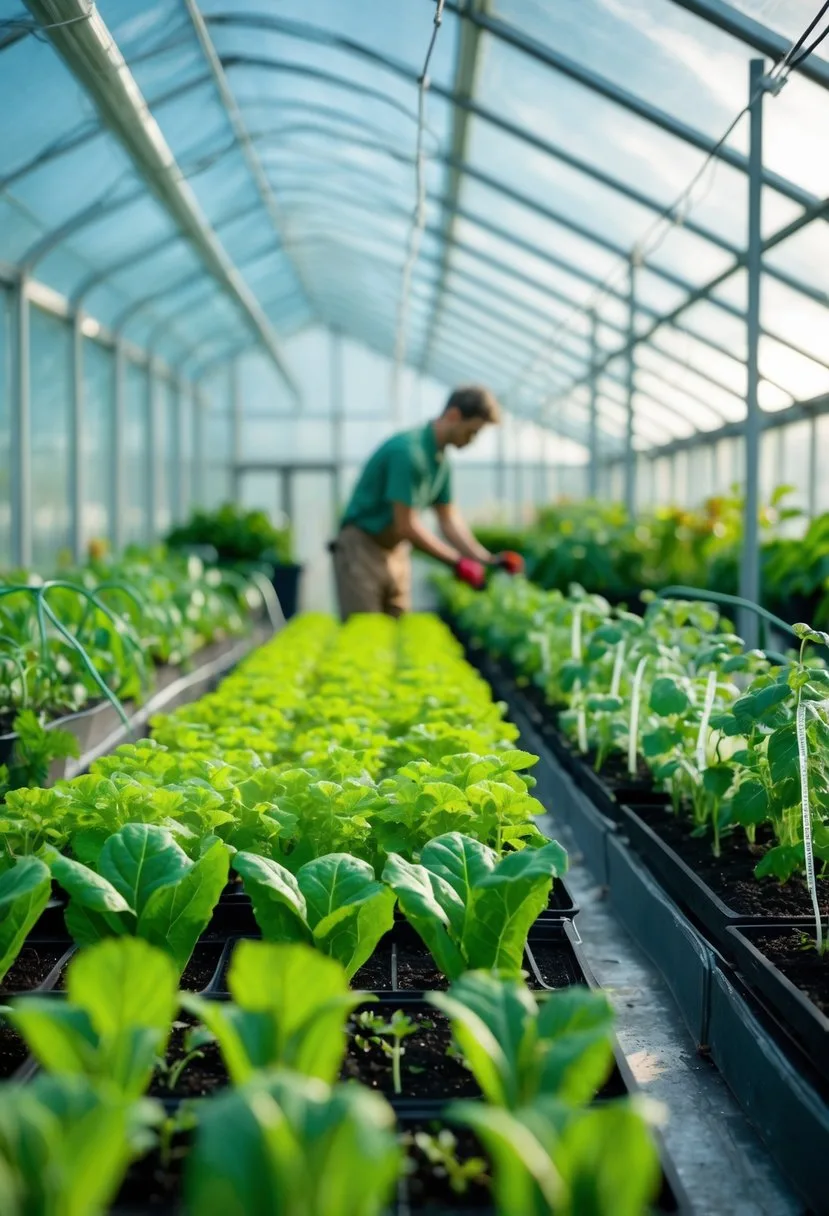
Plan your crops by temperature needs and light levels. Focus on what matches your greenhouse’s winter warmth or summer cooling, and stagger sowing for steady picking.
Cool-Season Greenhouse Plants
Grow lettuces, spinach, kale, Swiss chard, cilantro, and parsley through cold months. Sow seeds late summer to early fall for fall-winter harvests.
Use row covers or cold frames inside when nights dip below 35–40°F (2–4°C). Give 10–14 hours of light with supplemental LED fixtures when days get short.
Aim for daytime temps around 50–65°F (10–18°C) and nights 5–8°F (3–4°C) cooler. Water less in winter; cut back irrigation to dodge root rot.
Sow every 2–3 weeks for continuous harvest. Rotate crops and use raised beds or mobile benches to move cold-sensitive plants into warmer spots as needed.
Warm-Season Greenhouse Selections
Tomatoes, peppers, cucumbers, basil, eggplant, and even sweet corn all thrive when you bump up the heat. Start seeds indoors 6–8 weeks before your last frost and transplant when greenhouse days stay above 60°F (16°C).
Ventilate well, use shade cloth, and run fans to manage heat and humidity. Keep days between 70–80°F (21–27°C) and nights above 55–60°F (13–16°C).
Maintain steady moisture and use drip irrigation to fend off fungal issues. Pinch and train vines, remove lower leaves, and give plants space for better airflow.
Feed with balanced fertilizer every 2–3 weeks during fruiting. That’ll help keep yields coming.
Ornamental Plants for Greenhouses
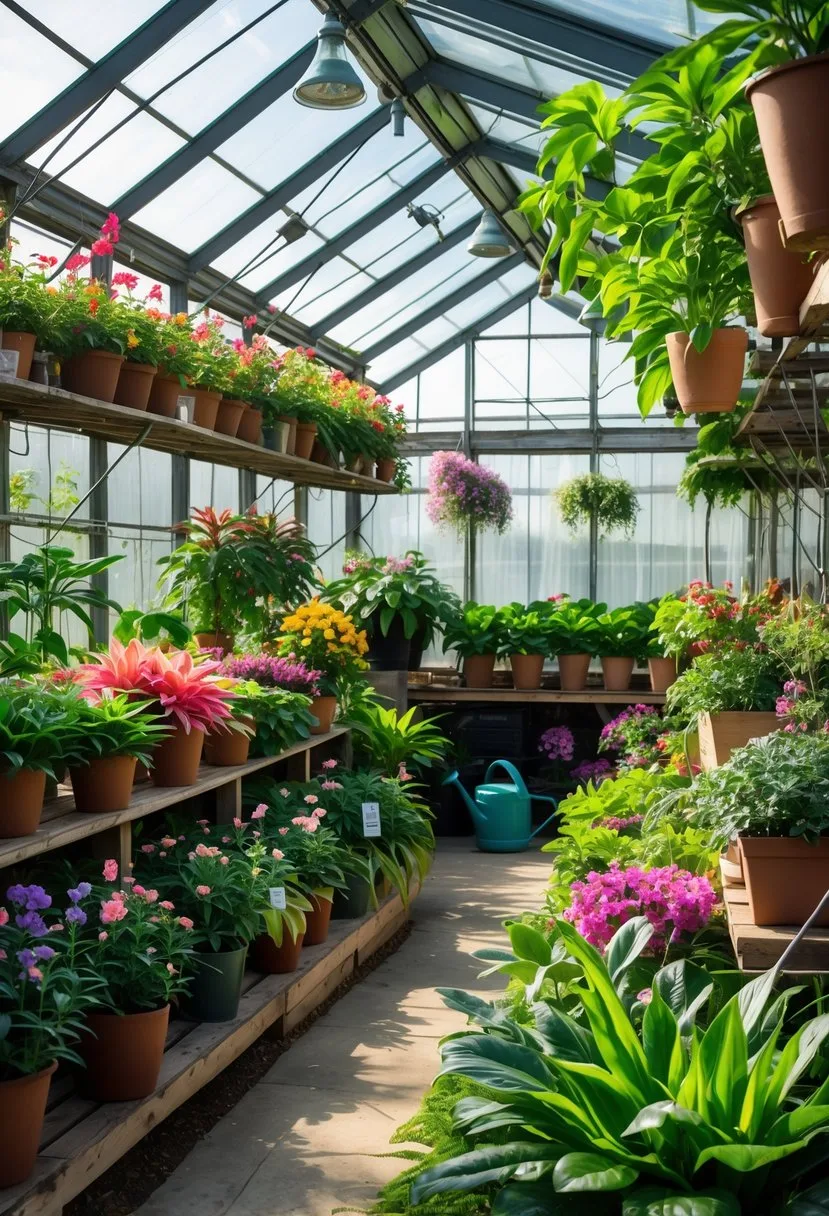
Ornamentals in the greenhouse let you enjoy bright flowers and lush foliage all year. Pick plants that match your greenhouse’s temperature, light, and humidity for the best results.
Flowering Plants
Choose flowering plants based on your light and heat. Begonias and geraniums bloom reliably in bright, indirect light and moderate warmth. They aren’t too fussy about watering.
For higher humidity and warm temps, orchids (Phalaenopsis or Cattleya) and hibiscus are great. They’ll reward you with long-lasting blooms if you keep the conditions steady.
Stagger bloom times by potting spring bulbs (tulips, hyacinths) for cool-season color. Sow annuals (petunias, nasturtiums) for summer displays.
Deadhead spent flowers to stretch out bloom time. Use a balanced 10-10-10 fertilizer when plants are growing and cut back feeding when it’s cooler.
Foliage Plants
Pick foliage plants to match your greenhouse’s light and humidity. Ferns (Boston, maidenhair) and calatheas need high humidity and soft light, and they show off some wild leaf patterns.
If you’ve got a bright, warm greenhouse, try coleus and croton for bold colors and textures. Group plants with similar water needs to make care easier.
Rotate pots every so often to avoid lopsided growth. Check leaves weekly for pests like spider mites and mealybugs.
Feed foliage plants with a nitrogen-lean fertilizer to keep leaves strong and healthy—not leggy.
Specialty and Exotic Plants
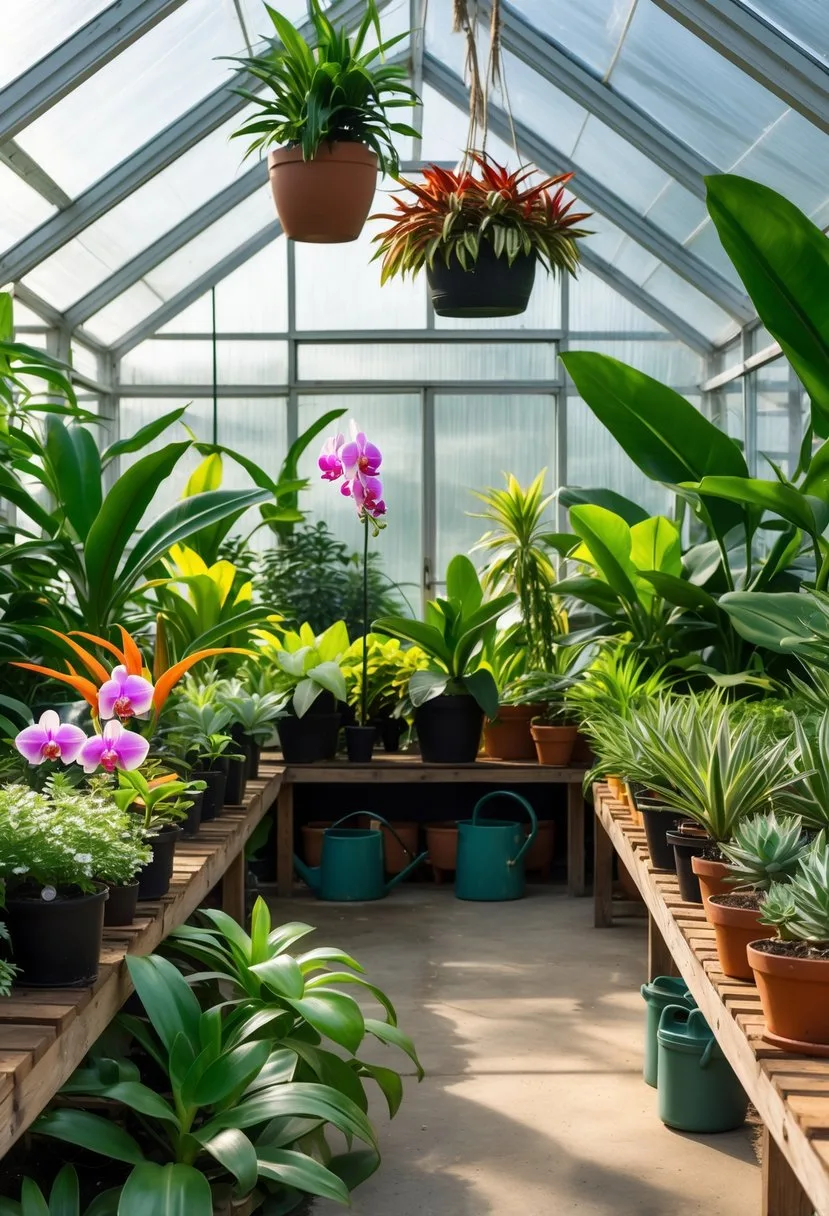
A greenhouse is your ticket to growing heat-loving tropicals and true plant oddballs. Focus on their temperature, humidity, and soil needs if you want them to thrive.
Tropical and Subtropical Species
You can grow bananas, bird of paradise, hibiscus, citrus, and tons of orchids. Keep daytime temps 70–85°F and nights above 55–60°F for most tropicals.
High humidity (60–80%) helps orchids and ferns. Use a humidifier, pebble trays, or misting to boost moisture without drowning roots.
Light needs are all over the place: citrus and hibiscus want bright direct sun, but most orchids like bright, filtered light. Use well-draining mixes for epiphytes and rich, loamy soil for potted citrus.
Pinch back long shoots to keep plants bushy. Fertilize regularly during the growing season.
Watch for spider mites and scale; treat with horticultural oil or insecticidal soap if you spot them.
Rare and Unusual Plants
Try carnivorous plants, exotic aroids (like monstera albo or philodendron gloriosum), and rare bromeliads. Each group is picky: carnivores want low-nutrient, acidic media and only distilled or rainwater.
Aroids like variegated monstera need high humidity, bright indirect light, and temps above 60°F to keep their fancy colors. Sudden shifts in light or temp can make them drop leaves—so heads up.
Bromeliads want good air movement and moderate light. Many like a central cup kept partly filled with water.
Get rare plants from reputable growers, acclimate them slowly, and isolate any new arrivals for a few weeks to avoid pests.
Hydroponic and Container Options
You can skip soil or use pots to save space and water. Pick systems and plants that fit your greenhouse size, light, and how much daily care you’re up for.
Hydroponic Greenhouse Crops
Hydroponics is awesome for fast-growing, high-value greens and herbs. Leaf lettuce, spinach, arugula, and basil thrive in NFT or ebb-and-flow setups, giving you quick harvests and tight spacing.
Tomatoes, peppers, and cucumbers also work in deep-water culture or drip systems if you support roots and keep EC and pH in check. Use bigger reservoirs and sturdy trellises for fruiting crops.
Try aeroponics or DWC for baby greens and microgreens—you’ll get super fast turnover and high yields per square foot. Rotate crops every 2–4 weeks for a steady supply.
Container Gardening Choices
Containers offer flexibility for bulky or deep-rooted crops. Use 5–20 gallon pots for tomatoes, peppers, and eggplants. Go with well-draining mixes and add slow-release fertilizer or liquid feed every week or two.
Grow herbs and salad greens in shallow troughs or 1–3 gallon pots. Benches or shelves help save floor space.
Use saucers or drip trays to control water and prevent soggy roots. Try vertical towers or stacked pots for strawberries, chard, or small basil—these setups save floor space and make picking easier.
Match container size to root depth and crop maturity or you’ll risk stunting growth.
Rotational and Succession Planting
Stagger plantings and rotate crop families to keep harvests rolling, protect soil nutrients, and cut down on pests and diseases.
Use simple schedules, beds, and crop lists so you know what to plant when.
Maximizing Year-Round Production
Succession planting fills in gaps. Sow lettuce, radishes, or baby spinach every 2–3 weeks in one bench for a non-stop harvest.
Start warm-season transplants (tomatoes, peppers) in one zone while you’re still picking cool-season crops (kale, spinach) in another. Shift sowing dates by how fast things grow—radishes (25–30 days) fill space between slower crops like tomatoes (60–90 days).
Balance light and heat: put cold-tolerant crops on north benches and heat-lovers near south glass. Use row covers or a small heater to stretch cool-season growth into fall and get a jump on warm crops.
Keep a calendar or spreadsheet with sow dates, transplant times, and harvest windows. It’ll save you from empty benches and last-minute headaches.
Crop Rotation Techniques
Rotate crops by plant family and root depth. Move nightshades like tomato, pepper, and eggplant to a different bed each season to break pest and disease cycles.
After heavy feeders such as tomatoes or corn, plant legumes like peas or beans to help restore nitrogen. If you can, try a three- or four-bed rotation: heavy feeder, then light feeder or legume, then a cover crop or salad mix.
Include cover crops or green manures in winter or on benches you don’t use much. These rebuild organic matter and improve drainage.
Sterilize or swap out potting mix in beds that keep hosting the same vulnerable crop. That’s the best way to stop soilborne diseases from sticking around.
Label your beds and keep basic records of which crop families grew where. It sounds tedious, but it makes crop rotations a lot more doable.
Factors Influencing Greenhouse Crop Selection
Pick crops that fit your space, the climate you can manage, and your plans for eating or selling. Match plant size, temperature needs, and what folks actually want to your greenhouse setup and budget.
Space and Size Considerations
Measure your greenhouse footprint. Figure out how much bench and floor area you can actually use before you start picking crops.
Tall crops like indeterminate tomatoes need about 2–3 meters of vertical space and some kind of trellis. Low, leafy stuff like lettuce or herbs fits nicely on multi-tier shelving—super handy if you’re short on floor space.
Think about how much space each plant needs. Tomatoes usually want 0.5–1 meter between plants, cucumbers need 0.6–1.2 meters, and basil does fine at 20–30 cm. Don’t forget aisles for harvesting and maintenance—at least 60–90 cm wide, or you’ll regret it later.
If you’re using containers or gutter systems, remember root volume. Deep-rooted crops need bigger pots or beds, or they’ll sulk.
Keep crop rotation in mind (here’s a handy guide). If you want steady harvests, stagger your plantings and save bench space for new starts.
Equipment matters too. Trellises, benches, lights, fans—they all take up space and limit how many plants you can squeeze in.
Climate and Environmental Control
Check what temps and humidity your crops want, then see if your greenhouse can deliver. Warm-season crops like peppers, cucumbers, and tomatoes want daytime temps of 22–28°C and nights above 15°C.
Leafy greens prefer cooler nights—10–15°C—and lower humidity. If you can add heating, cooling, or dehumidification, you get more crop choices, but it’ll cost you.
Heating lets you try tropical or off-season crops, but it eats up fuel. Shade cloth or extra ventilation keeps summer heat in check.
Humidity’s a big deal. High humidity boosts disease risk for crops like tomatoes and cucumbers, but herbs and lettuce shrug it off better.
Light is another biggie. Tomatoes and peppers crave high light, so if winter’s gloomy, plan for supplemental LEDs. Match your environmental controls to your crops’ growth cycles—less stress, fewer pests.
Market and Personal Preferences
Figure out if you’re growing for market, restaurants, or just your own table. Local markets love high-value, perishable crops—think microgreens, basil, or specialty tomatoes.
Restaurants often want a steady supply of salad greens and herbs, and they’ll pay for it. Your skills and time matter, too.
Tomatoes and cucumbers need daily pruning and trellising. Herbs and leafy greens are less demanding but need frequent harvesting.
Check what sells locally and what prices look like. Farmers’ markets and grocery buyers are worth researching for gaps.
And honestly, grow what you enjoy. If you can’t fuss over plants every day, pick low-maintenance crops like lettuce mixes or winter greens. It’s all about balancing profit, labor, and what you like to eat.
Frequently Asked Questions
You can grow tons of vegetables, herbs, and flowers in a greenhouse if you pick crops that fit your space, heating, and light. Go for easy, compact varieties and stay on top of temperature and watering for steady yields.
What are the best plants for beginners to start with in a greenhouse?
Start with leafy greens—lettuce, spinach, arugula. They grow fast, don’t need much space, and handle cool temps without drama.
Try herbs like basil, parsley, and chives. They’re easy in containers and give you quick rewards.
Tomatoes, peppers, and cucumbers are fun once you get the hang of pest and watering basics. If your greenhouse is small, stick with determinate or dwarf types.
Which crops are ideal for growing in a greenhouse during the winter months?
Leafy greens and salad mixes are champs in winter. They don’t mind low light or cool temps—spinach and winter lettuce are especially reliable.
Root veggies like carrots and radishes can work if you use deep containers and keep the soil from freezing. Herbs such as thyme and rosemary will overwinter in milder setups.
Cold-hardy brassicas—kale, some cabbages—tough it out in chilly greenhouses and keep you in greens.
Can a greenhouse be used to grow plants all year round, and if so, which ones?
Absolutely, you can grow year-round if you’ve got the right heating, ventilation, and light. Leafy greens, herbs, and microgreens are the easiest to keep going through every season.
Warm-season crops like tomatoes and peppers need extra heat and light in winter, but it’s doable. Bulb flowers and potted ornamentals also thrive year-round with good climate control.
Rotate: cool-season crops in fall and winter, warm-season stuff in spring and summer. That way, you keep the harvests coming.
What are some unique or less common plants that can be cultivated in a greenhouse?
Tropical fruits like dwarf citrus or passionfruit can work if you manage humidity and temperature. They’re a bit more demanding but the payoff is sweet.
Exotic herbs—lemongrass, galangal—love a warm, humid greenhouse corner. Orchids and certain houseplants also appreciate the steady conditions.
Try edible flowers like nasturtiums and borage. They add color, brighten up salads, and attract pollinators.
Are there any plants that should be avoided when planting in a greenhouse environment?
Skip very large trees and vines that need loads of root space or height—they’ll take over a small greenhouse fast. Unless you’ve got dwarf rootstocks, standard fruit trees are a pain indoors.
Plants needing strict dry spells, like some succulents, might struggle in humid corners. Crops that attract serious pests you can’t control indoors are more trouble than they’re worth.
Steer clear of highly invasive species or plants that need open pollination. It’s easier to stick with contained varieties.
How can I maximize my greenhouse productivity during the summer season?
Try using shade cloth, plenty of ventilation, and a couple of fans to keep things from getting too hot. Plants really hate that kind of stress.
Check the temperature every day. If it gets too high for your particular crops, open up those vents right away.
Water your plants more often, since summer heat dries things out fast. Mulching your containers helps the soil hold onto moisture longer.
Give succession planting a shot, and don’t be afraid to pack in more with vertical or stacked containers. It’s a smart way to squeeze more out of your space.

Jen Moser is a skilled kitchen and bath designer at Wisconsin Building Supply in Appleton, WI, and the author behind the expert remodeling and design content on Vivyro.com. With years of hands-on experience in residential cabinetry, layout planning, and functional aesthetics, she shares practical tips, innovative ideas, and inspiring transformations to help homeowners create beautiful, efficient kitchens and bathrooms that suit their lifestyle and budget.
As the creative voice of Vivyro.com, Jen draws from her professional expertise to offer step-by-step guidance, trend insights, and real-world solutions for remodeling projects. Her approachable, detail-oriented style empowers DIY enthusiasts and homeowners alike to achieve professional-quality results in their own spaces.