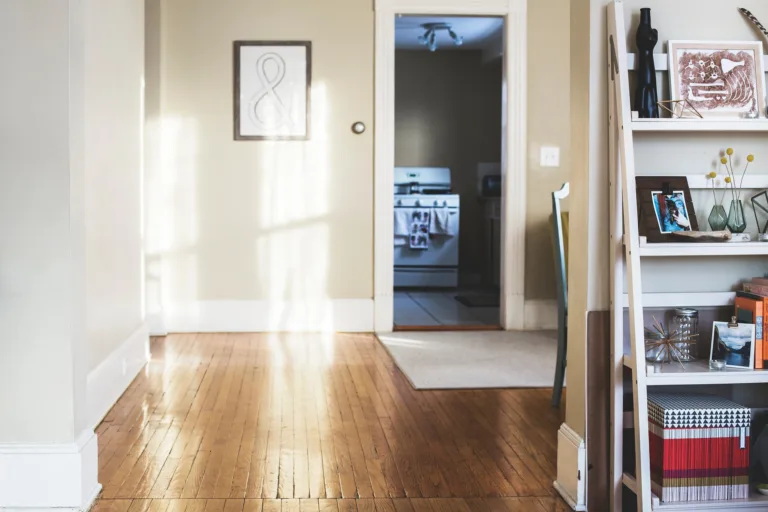
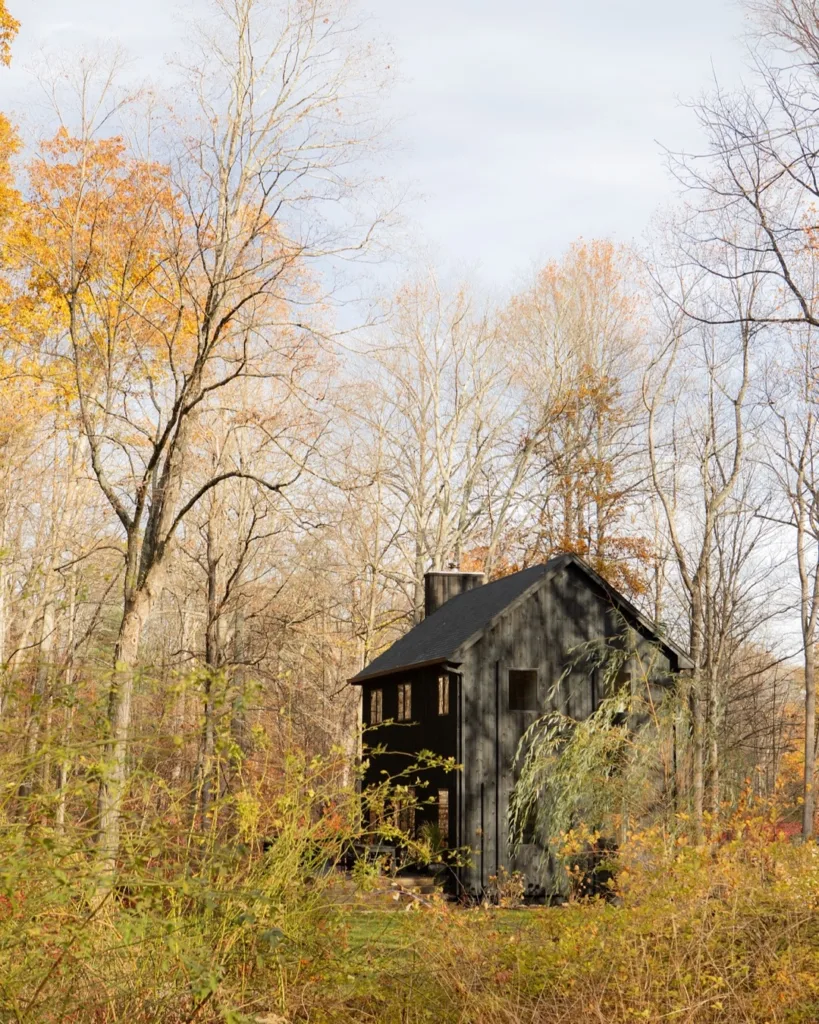
Tucked along a murmuring stream, the millhouse is a love letter to history and hearth. Built into the stone bones of an early 19th-century grain gristmill, these homes marry rugged authenticity with refined comfort. Millhouse interior design ideas transform water-worn foundations into luminous sanctuaries, where exposed beams tell tales of centuries past and modern craftsmanship invites barefoot mornings. Inspired by the breathtaking Millhouse showcased on Instagram—an impeccably crafted 2-bed/2-bath timber-frame retreat just over an hour from NYC—these 20 concepts channel its signature blend of light-flooded great rooms, custom kitchens with Shaws sinks and Bertazzoni ranges, and cozy studios nestled into 1.5-acre grounds. Here, open-plan living centers around wood-burning fireplaces, Bianco Rhino marble whispers luxury, and wraparound porches blur boundaries between inside and out. Whether you’re restoring an original gristmill or evoking its spirit in new construction, these ideas prove that millhouses aren’t just homes—they’re heirlooms in motion.
The Soul of Millhouse Living
Millhouses emerged in the 1700s–1800s along America’s waterways, where grain was ground by the force of rushing streams. Their stone foundations, massive timber frames, and water-wheel remnants offered durability and drama—qualities that captivate designers today. The Instagram-featured Millhouse exemplifies this evolution: a 19th-century shell reborn with soaring ceilings, reclaimed oak beams, and a kitchen garden that feeds both body and soul.
These homes thrive on contrast: rough-hewn stone against silky marble, industrial steel against velvet upholstery, wild streams against manicured paths. Light is currency—strategic windows and skylights flood spaces, making even modest footprints feel expansive. The result? A dwelling that feels both grand and intimate, perfect for weekend escapes or full-time rural living. Remodeling costs range from $75,000 for cosmetic refreshes to $750,000 for full restorations, with most impactful updates under $300,000 through salvaged materials and phased work.
Preparation: Honoring Stone and Story
Before a single nail is driven, listen to the house. Engage a structural engineer to assess the stone foundation—mortar may need repointing, and water damage from centuries of splashback requires remediation.
Site and Flow Audit
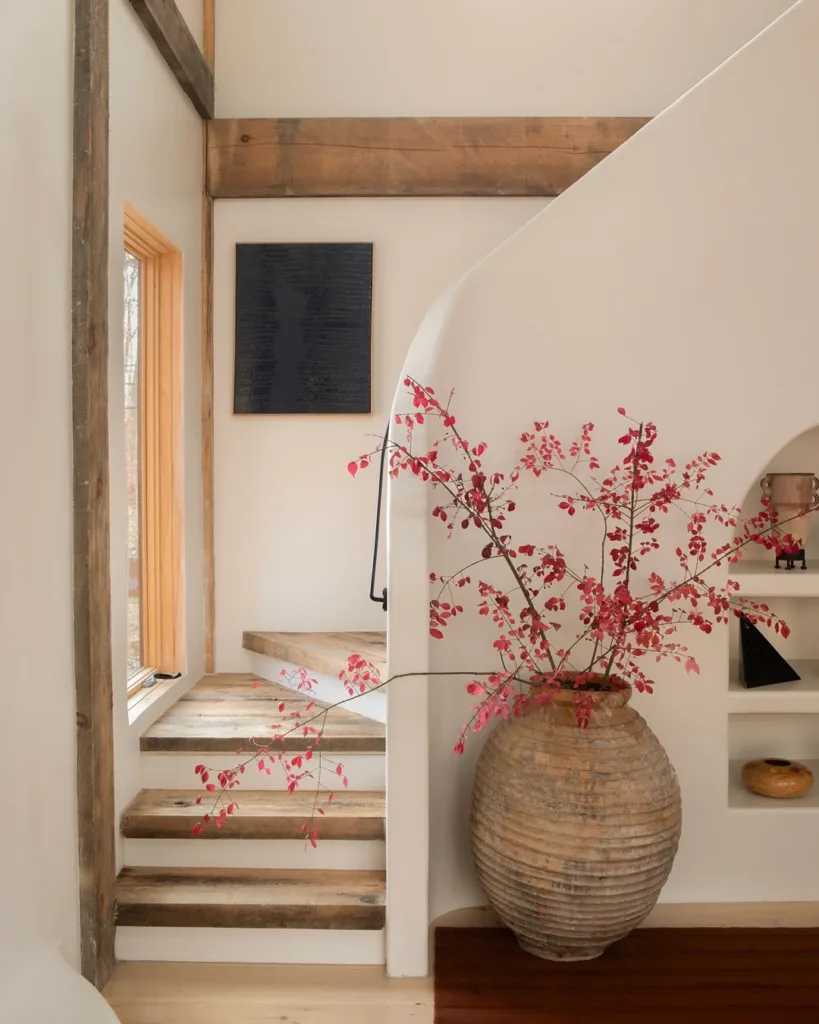
Map light patterns: South-facing windows become focal points; north walls suit art galleries. Preserve original beams—sandblast gently to reveal grain, then seal with low-sheen polyurethane.
Material Sourcing
Salvage local fieldstone for accents; source reclaimed barn wood for flooring. Test marble samples (like the Millhouse’s Bianco Rhino) for veining that complements your stone palette.
Permitting and Preservation
In historic districts, secure approvals early—stone alterations often trigger reviews. Allow 4–6 weeks for inspections; use the delay to sketch mood boards inspired by the Millhouse’s streamside serenity.
Open-Plan Great Rooms: Heart and Hearth
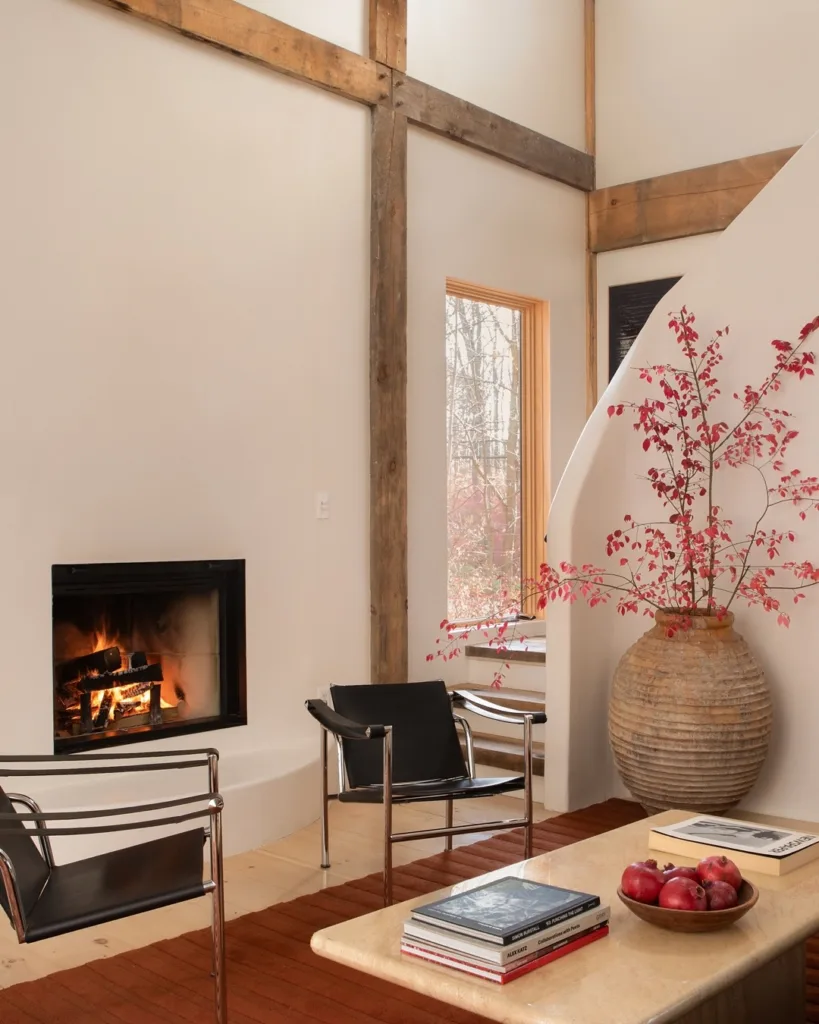
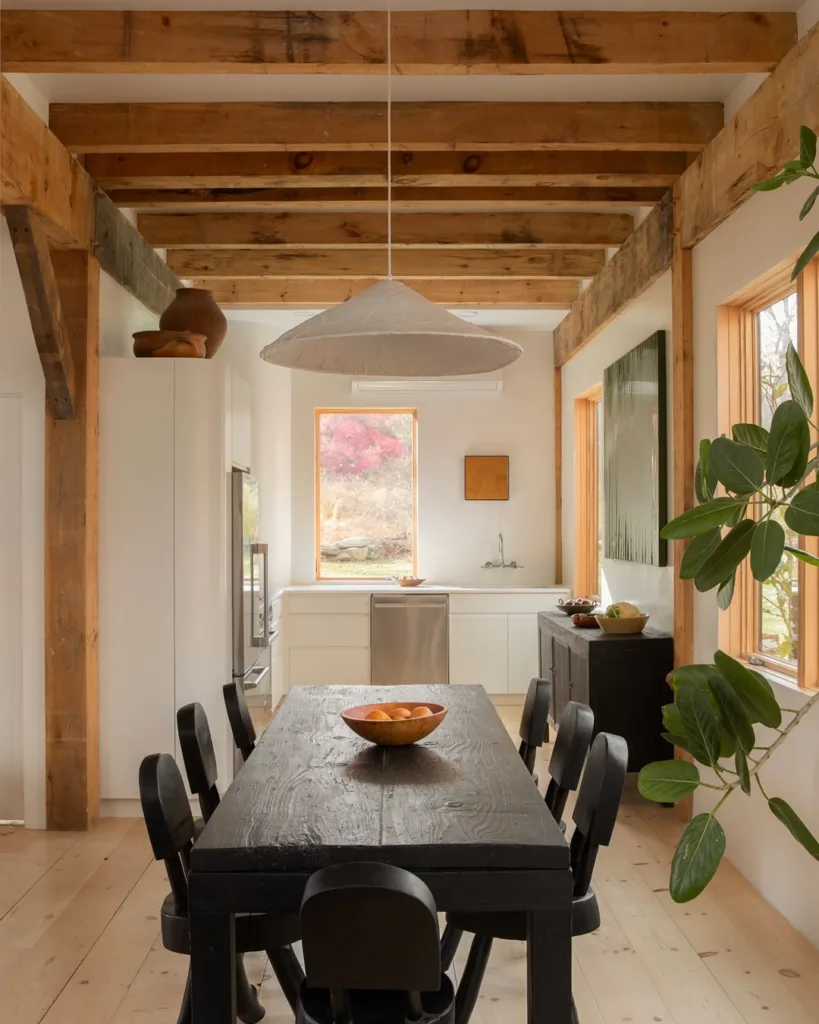
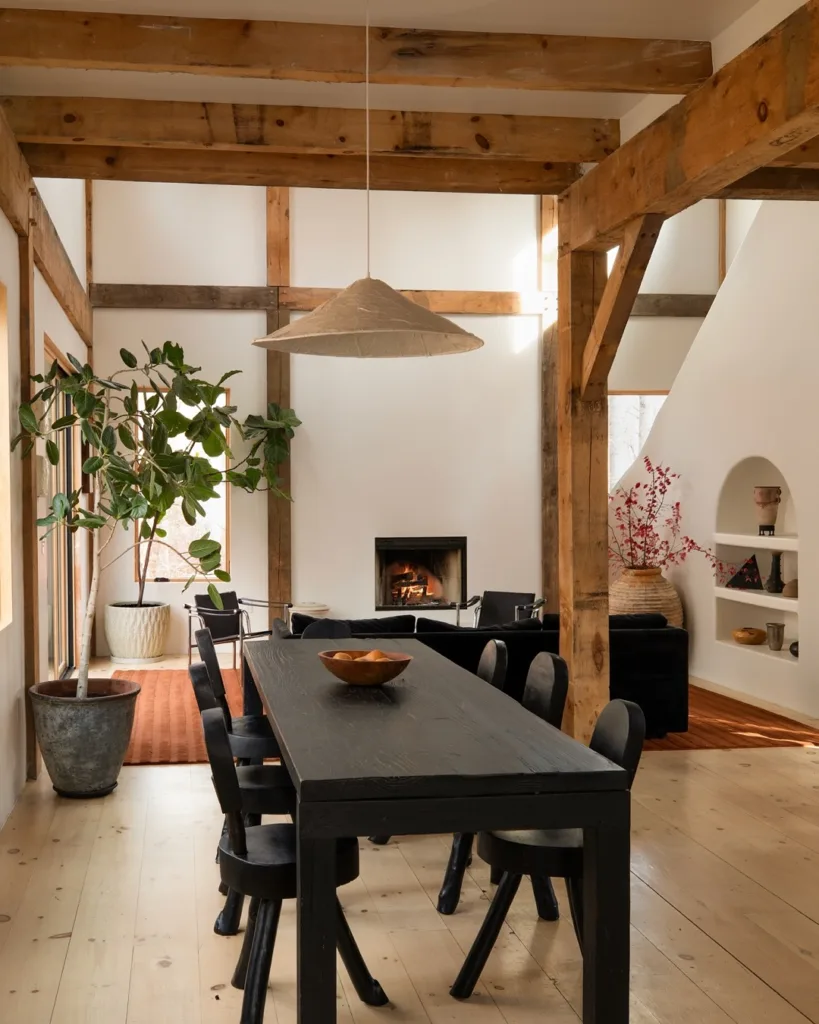
The Millhouse’s great room—centered on a wood-burning fireplace and framed by dramatic beams—sets the standard.
Exposed Timber Vaults
Retain or replicate hand-hewn beams, spacing them 6–8 feet apart for rhythm. Stain in warm walnut to deepen shadows; add recessed LEDs in joists for evening drama.
Stone-to-Ceiling Fireplaces
Extend the original foundation stone upward, creating a 12-foot hearth. Flank with built-in firewood niches; top with a reclaimed mantel sourced from the property’s old millworks.
Stream-View Picture Windows
Install floor-to-ceiling steel-framed casements—black mullions against white walls echo industrial roots. Add operable transoms for cross-breezes that carry water sounds indoors.
Custom Kitchens: Crafted for Gathering
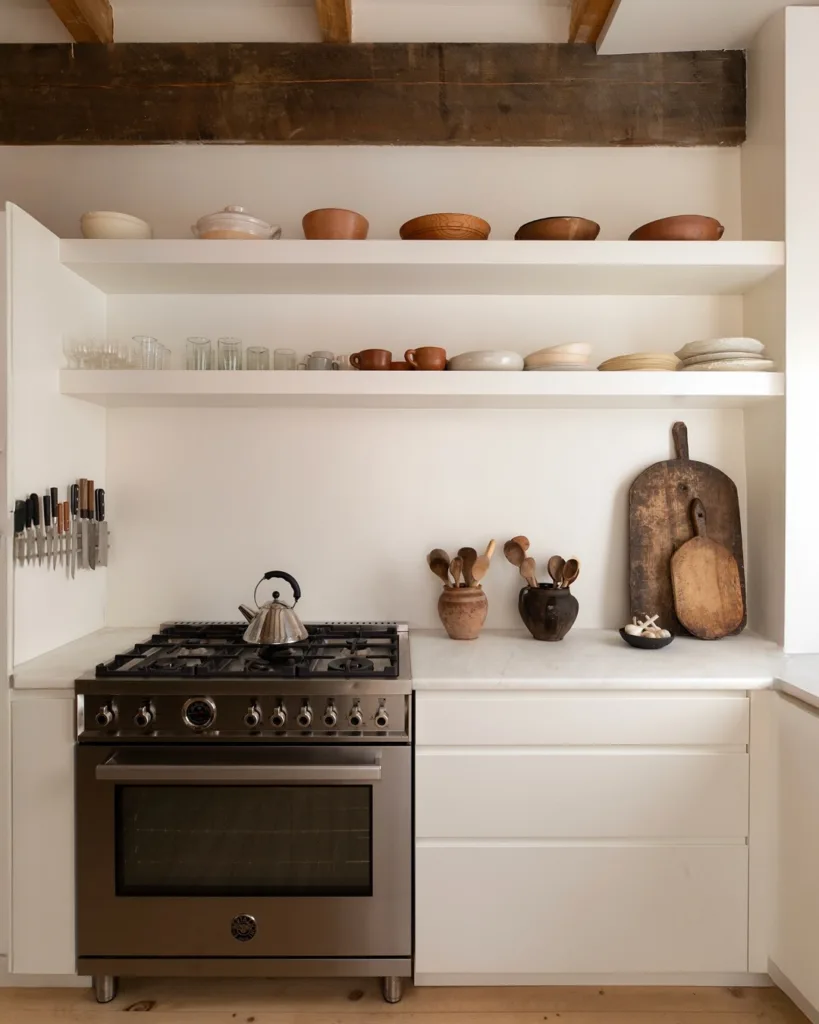
The Millhouse kitchen, with its Shaws fireclay sink, Bertazzoni range, and subtle marble, proves function can be art.
Farmhouse Sinks with Bridge Faucets
Sink a 36-inch Shaws original into a walnut island; pair with a matte black bridge faucet. The deep basin handles everything from flower arranging to lobster boils.
Marble Waterfall Islands
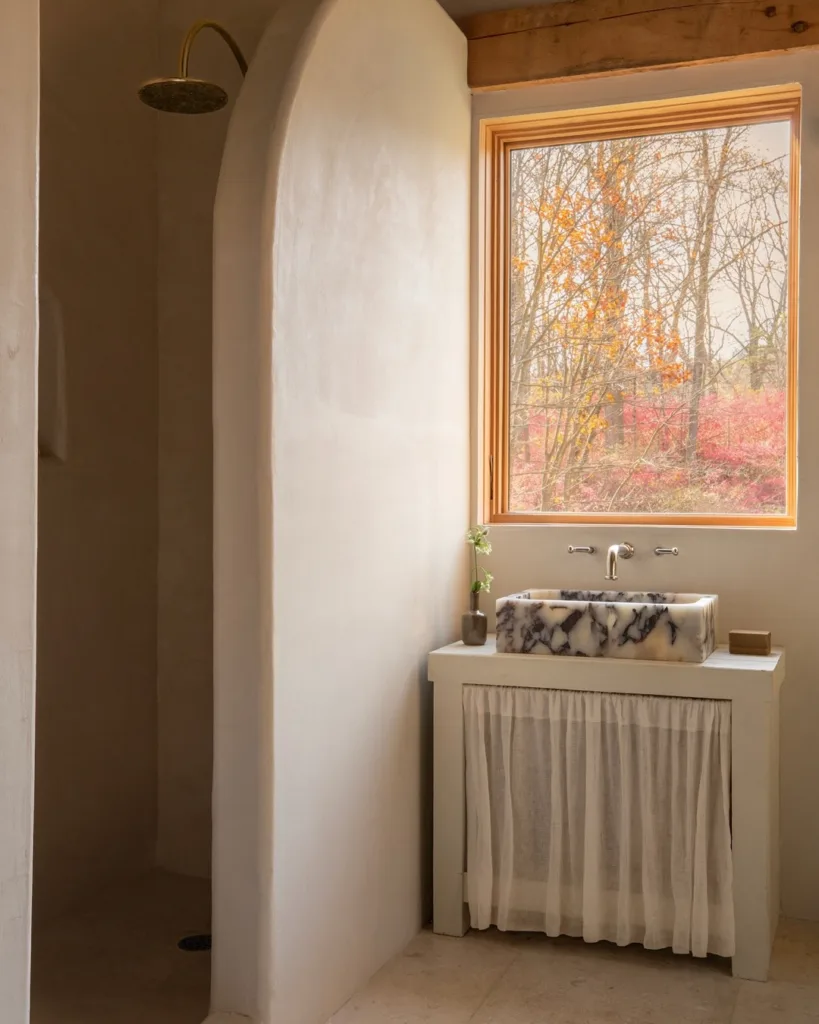
Extend Bianco Rhino (or similar) down island sides for seamless elegance. Seal annually; the soft veining catches firelight like moonlit ripples.
Open Shelving in Reclaimed Pine
Float rough-sawn pine boards above the range—perfect for copper pots and heirloom crockery. Vary depths (10–14 inches) for visual interest.
Bedrooms and Baths: Cozy Retreats
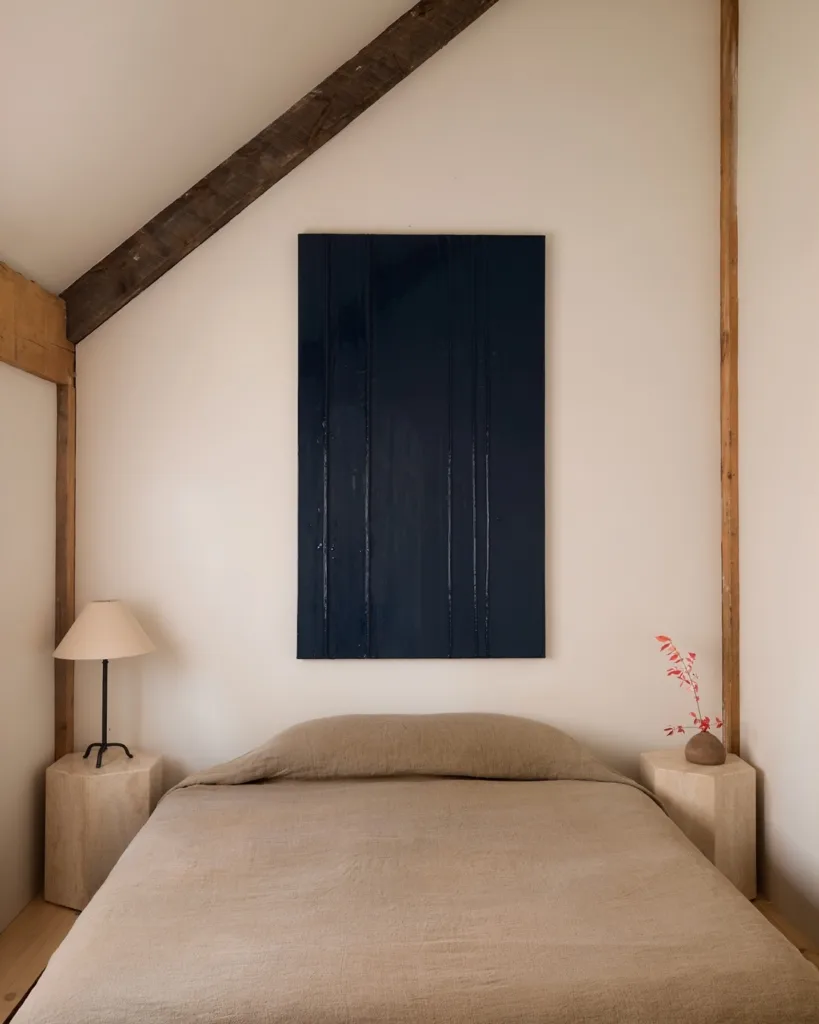
Beam-Wrapped Sleeping Lofts
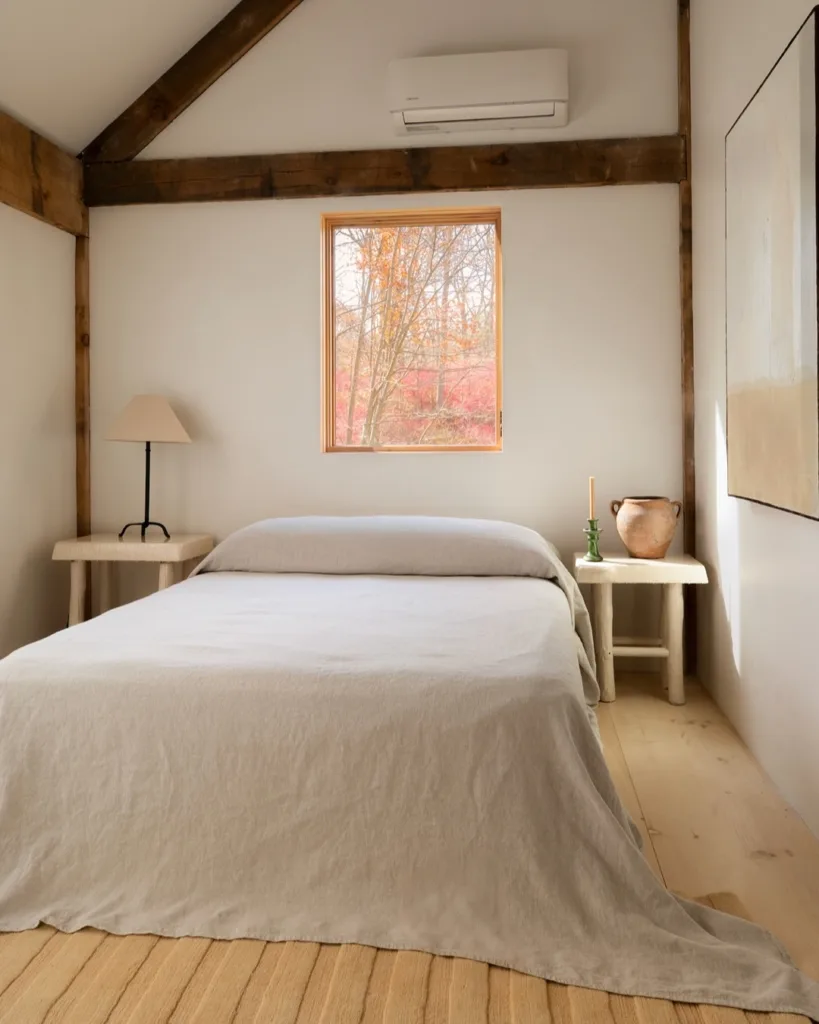
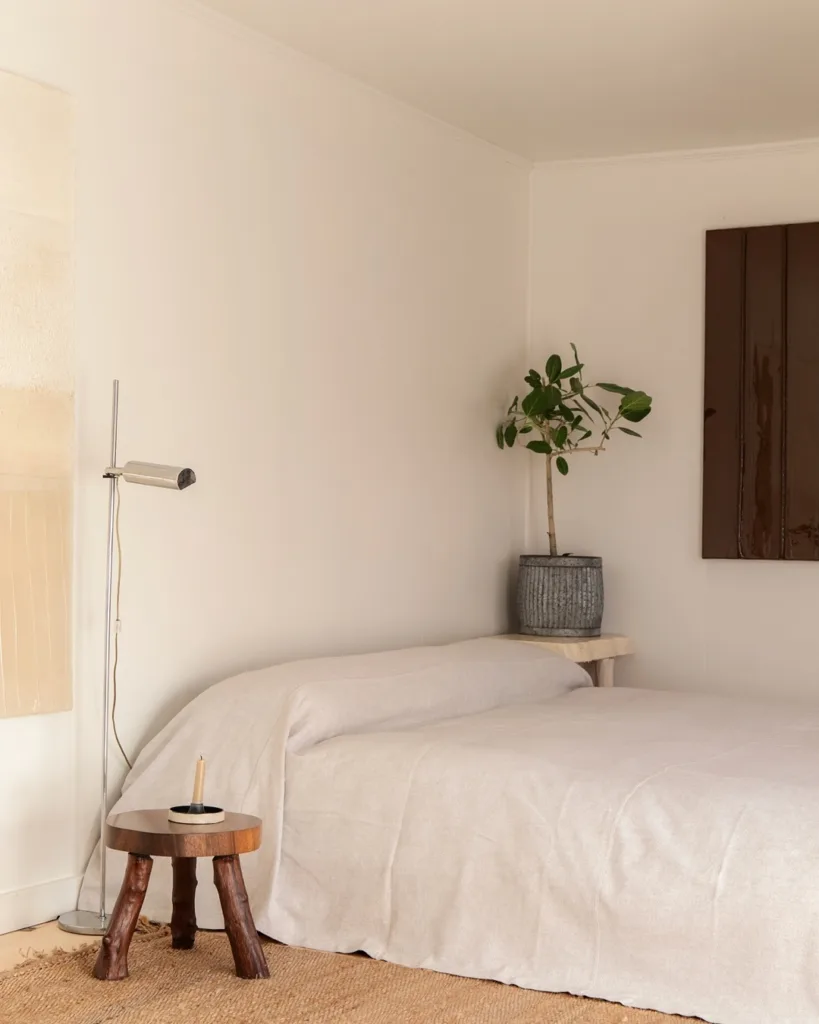
In upper levels, wrap bedrooms with original timbers; add skylights directly above the bed for stargazing. Layer linen bedding and wool throws for tactile warmth.
Stone-Clad Ensuite Showers
Continue foundation stone into bathrooms, creating walk-in showers with rainfall heads. Add a teak bench and pebble floor for spa-like footing.
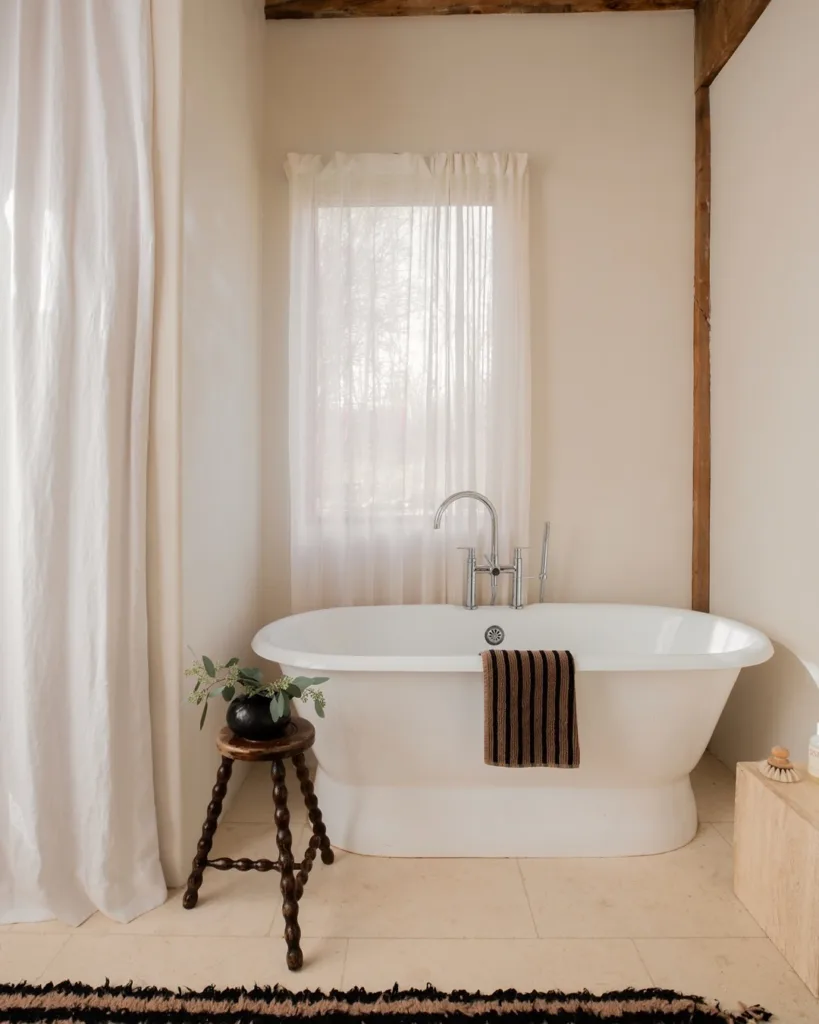
Clawfoot Tubs by Windows
Position a cast-iron tub beneath a dormer—views of the stream turn bath time into meditation. Brass fixtures nod to 19th-century origins.
Outdoor-Indoor Studios: Creative Sanctuaries
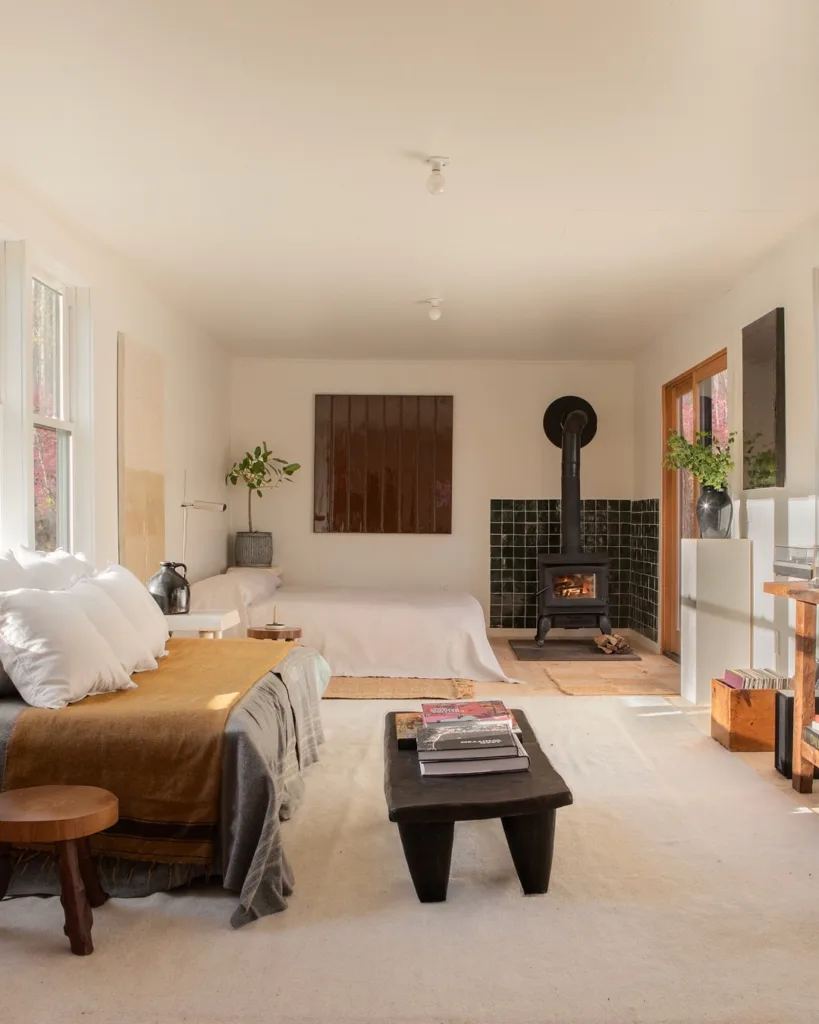
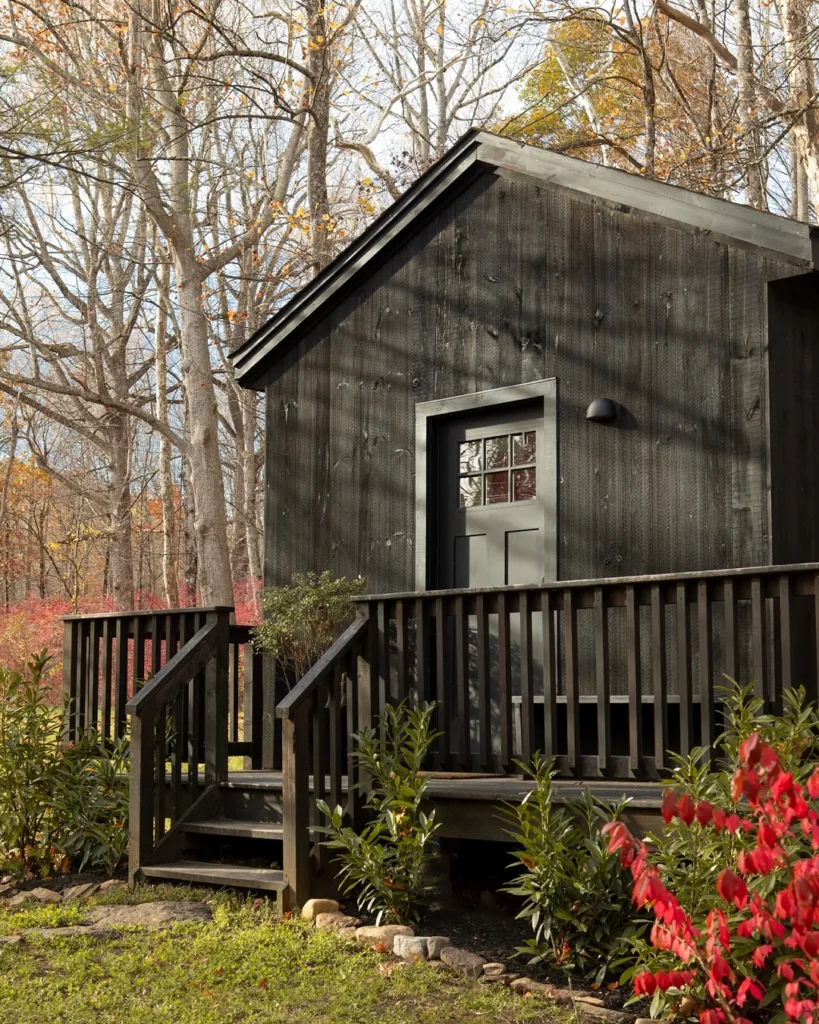
The Millhouse’s independent studio with woodstove and wraparound porch inspires versatile secondary spaces.
Glass-Walled Writing Studios
Build a 12×16 studio with sliding barn doors that open fully to the porch. Inside: built-in desk facing the water, woodstove in the corner, cork walls for inspiration boards.
Porch-to-Pool Transitions
If adding a plunge pool, align studio doors with decking—step from desk to water in seconds. Use ipe wood for durability against splashback.
Landscape Integration: Streamside Serenity
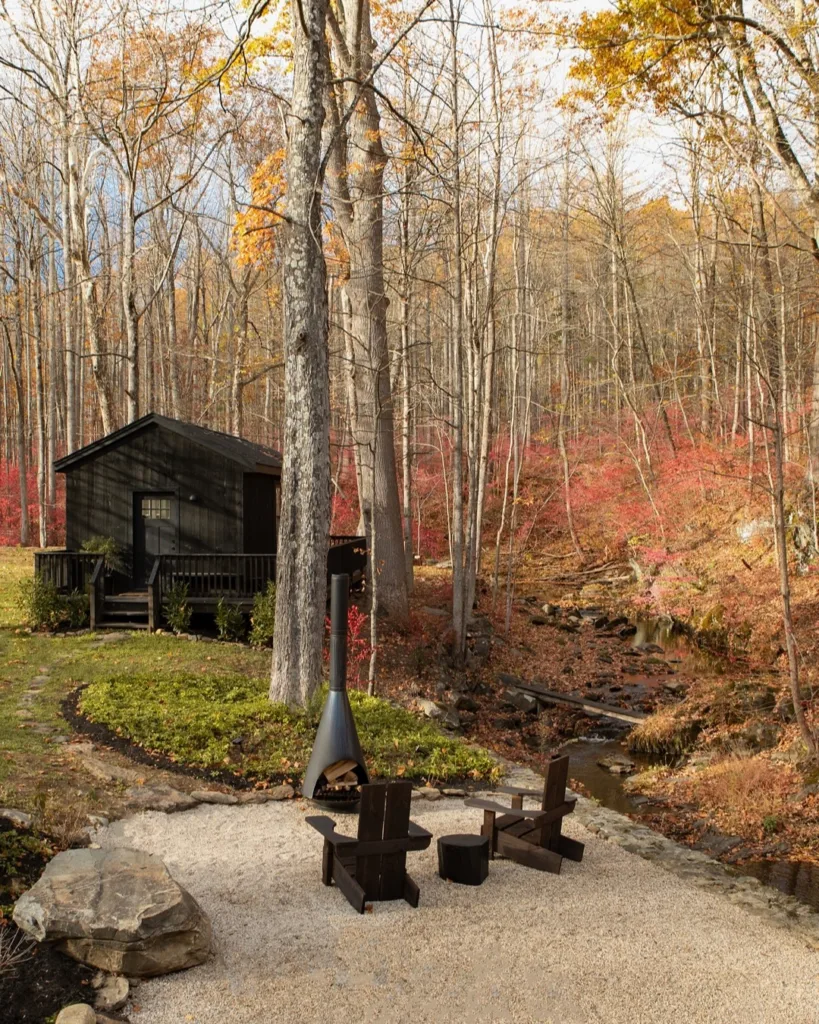
The Millhouse’s 1.5 acres—swimming holes, stone walls, kitchen garden—prove grounds are half the design.
Stone Path Meanders
Lay irregular bluestone paths that wind past the stream, leading to hidden benches. Edge with lavender and catmint for scent and pollinators.
Kitchen Garden Adjacencies
Position raised cedar beds visible from the kitchen window—harvest herbs without leaving the sink. Add a potting shed with green roof for storage.
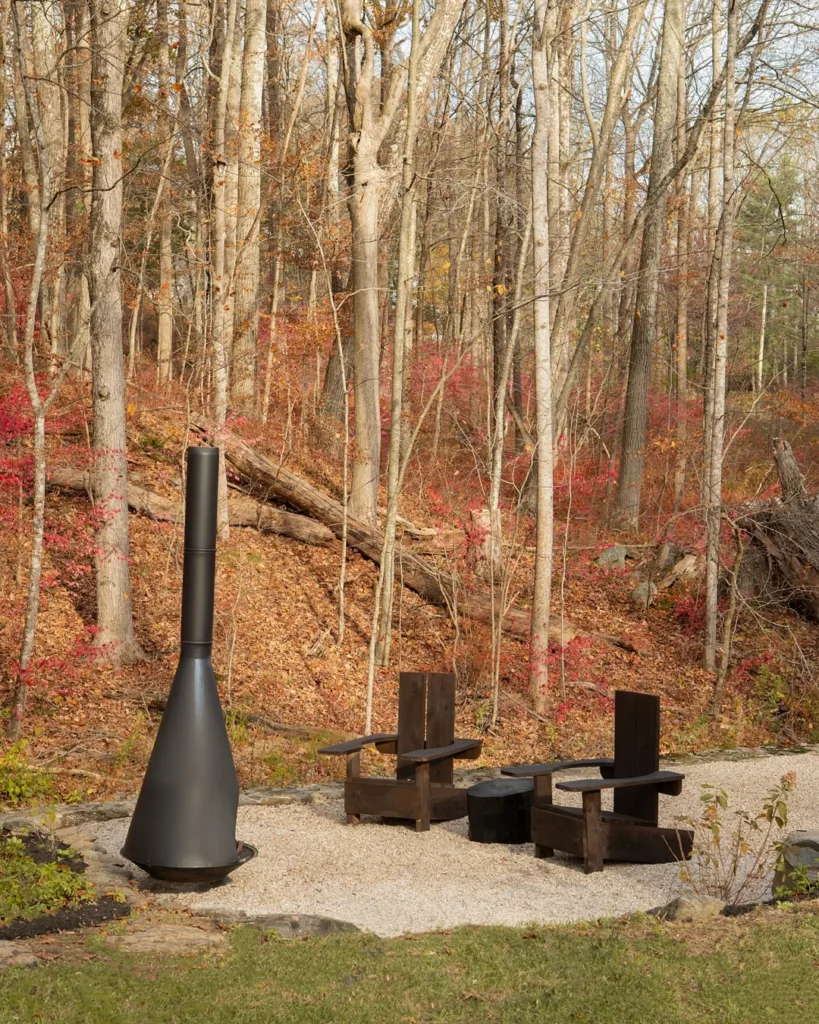
Fire Pit Clearings
Carve a gravel circle ringed by Adirondacks, 50 feet from the house. The stream’s murmur becomes background music to marshmallow roasts.
20 Millhouse Interior Design Ideas
Channeling the Instagram Millhouse’s timeless charm, here are 20 adaptable concepts:
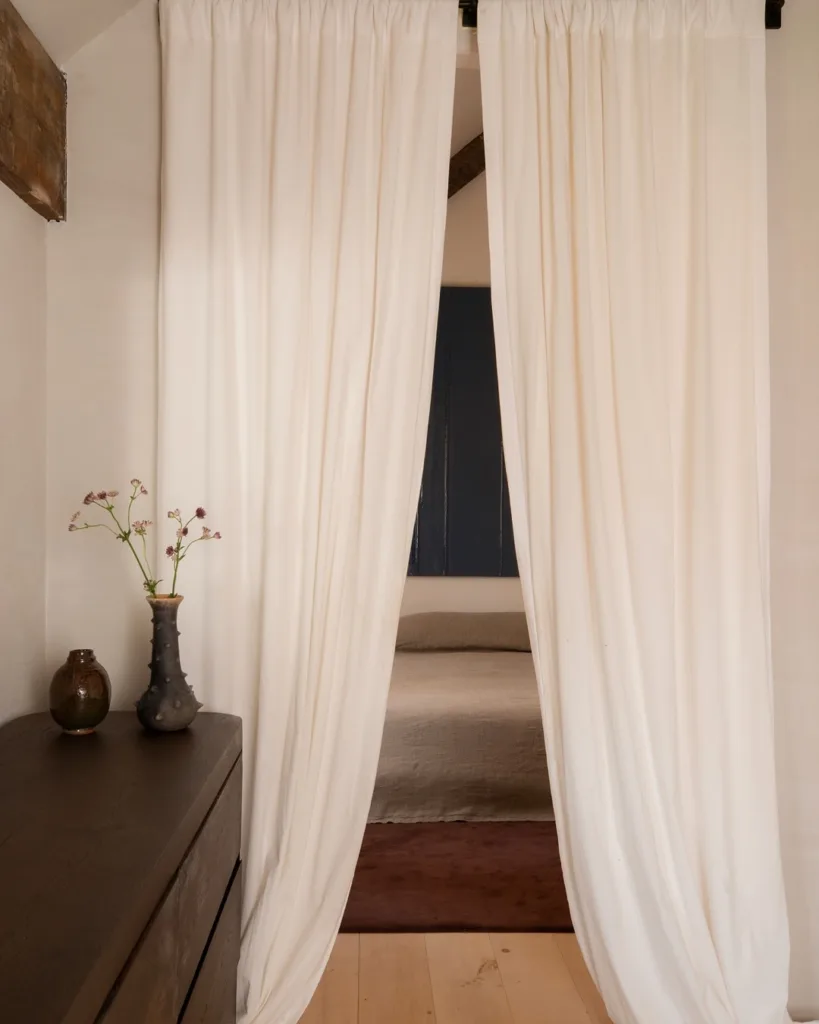
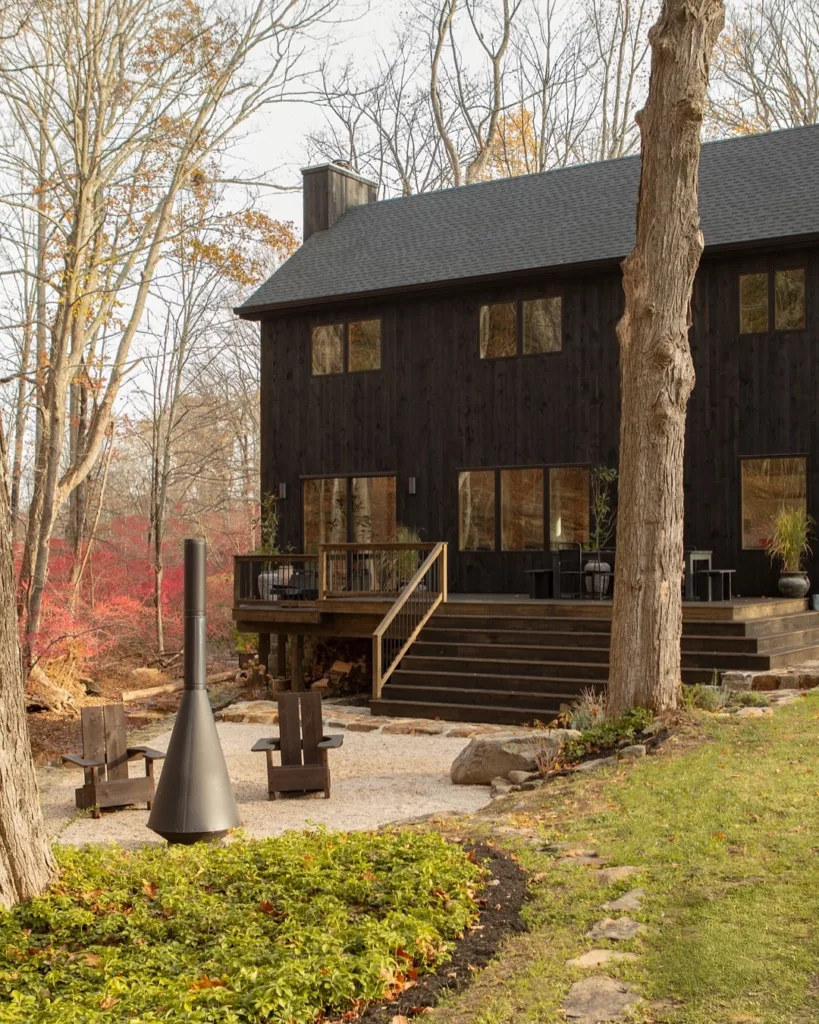
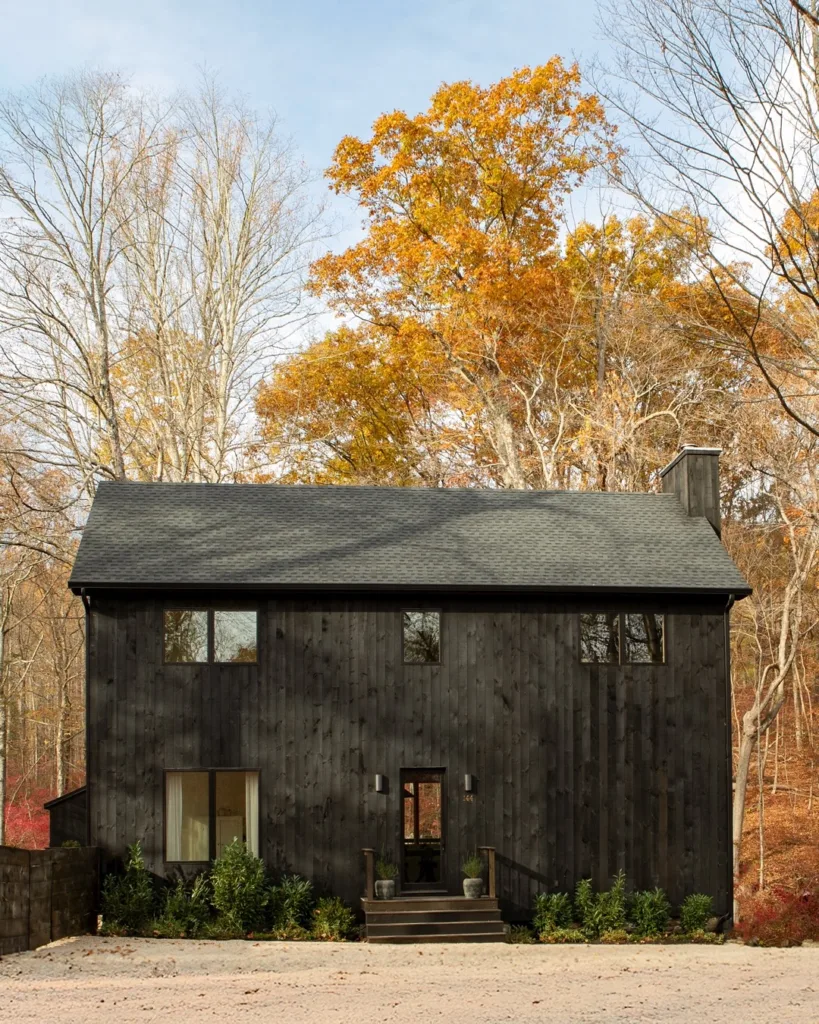
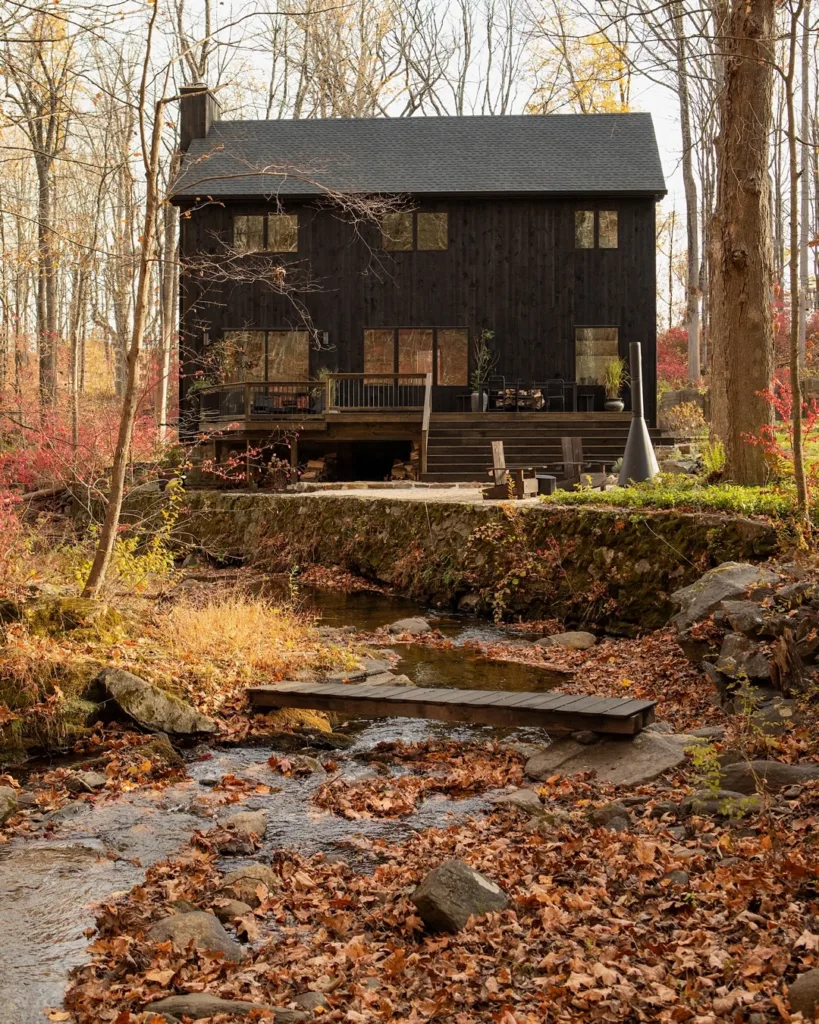

Each scales from weekend refreshes to full restorations.
Budget Hacks and Millhouse Pitfalls
Source stone from the property—save $10,000 on accents. DIY open shelving with lumberyard pine cuts costs 60%. Avoid pitfalls like sealing stone incorrectly (use breathable siloxane), ignoring beam rot (probe with an awl), or overcrowding the great room (leave 42-inch pathways). Phase work: Foundation repairs first, cosmetics last.
FAQ: Millhouse Design Questions
How do I update without losing history?
Retain one original element per room—beam, stone, or wheel—as the anchor.
Best flooring for stone foundations?
Wide-plank white oak with radiant heat; seals gaps and warms toes.
Can I add modern appliances?
Yes—panel Bertazzoni ranges to blend; hide microwaves in millwork.
How to handle stream humidity?
Whole-house dehumidifier; seal stone with penetrating sealer.
Ideal paint colors for beams?
Warm whites (Benjamin Moore “Cloud Cover”) or deep greens (“Hunter Green”).
Final Verdict: Where Water Meets Wonder
20 Millhouse interior design ideas transform historic grit into modern grace. From the Instagram Millhouse’s light-drenched great room to its streamside studio, every detail whispers: slow down, stay awhile. Begin with one gesture—a reclaimed beam, a Shaws sink, a path to the water. The house will guide the rest, weaving stone, wood, and story into a home that feels both ancient and alive. Your millhouse isn’t just restored—it’s reborn, a timeless retreat where the stream keeps singing.
(Word count: 1,682)

Laurie Neel Hamilton is a creative DIY expert and the author behind the charming home décor content on Vivyro.com. Passionate about empowering women to craft beautiful, personalized spaces on a budget, she shares inspiring DIY projects, inventive décor ideas, and easy-to-follow tutorials that bring warmth and style to any home.
As a proud Gigi to five beautiful grandchildren and the heart of her creative community, Laurie infuses her work with joy, creativity, and family-inspired touches. Her welcoming approach makes DIY accessible and fun for crafters of all levels, encouraging everyone to unleash their inner artist and create stunning, heartfelt décor that reflects their unique story.